Ambroxan: the amber molecule that replaced ambergris
Ambroxan is the best-known trade name for ambroxide, a molecule found in ambergris and now made from clary sage. Its dry, woody, slightly salty amber scent clings to skin and fabric for hours.
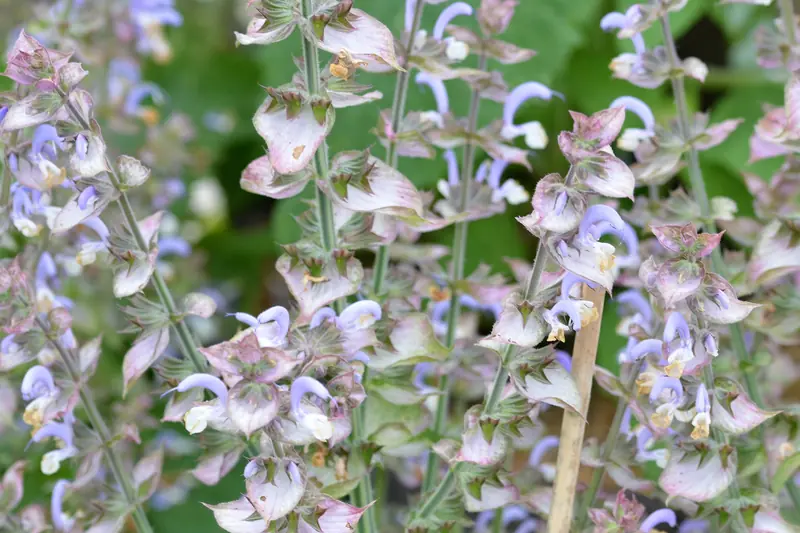
Where does Ambroxan come from?
Ambroxan is a brand name: the molecule is ambroxide, a terpenoid and one of the key constituents behind the smell of ambergris, where it forms as ambrein oxidises, according to Wikipedia's article on ambroxide. It is also sold as Ambrox or Amberlyn.
Ambroxide came out of the Geneva-based house Firmenich, which launched a large research programme on ambergris. Stoll and his co-workers identified it in the 1940s as the most important constituent of natural ambergris and later published its first synthesis, a 1950 paper, as a 2016 study in Scientific Reports recalls. Industry makes it from sclareol, a component of clary sage oil.
What does Ambroxan smell like?
Ambroxan smells dry and woody, with musky and slightly salty nuances. The IFRA Fragrance Ingredient Glossary files it under amber, with woody and herbal facets. Wikipedia lists further descriptors such as sweet, labdanum, pine and cedar. Do not expect a perfect copy of ambergris, though: Wikipedia's perfume article warns that the two do not smell the same.
What does Ambroxan do in a perfume?
Ambroxan is highly tenacious. It clings to skin, fabric and hard surfaces and lingers for hours, which is why fine fragrance uses it both as a base note and as a fixative, either as a featured note or as a behind-the-scenes booster. Its profile puts it close to labdanum and musk in the amber family.
What else should you know about Ambroxan?
- A newer process starts from homofarnesol instead of sclareol and is said to need a hundred times less farmland than the clary sage route.
- Ambroxide also occurs in traces in tobacco, clary sage and cistus.
- The Class on natural versus synthetic shows what chemistry added to the palette, and the one on animal notes and their substitutes explains why ambergris stepped aside.
Often paired with
Further reading
- Ambroxide en.wikipedia.org
- One-pot synthesis of (−)-Ambrox (Scientific Reports, 2016) pmc.ncbi.nlm.nih.gov
- IFRA Fragrance Ingredient Glossary (April 2020 edition) ifrafragrance.org
- Perfume en.wikipedia.org
- Ambrox (German Wikipedia) de.wikipedia.org
- Ambre gris (French Wikipedia) fr.wikipedia.org
Ambroxan in the feed
ingrid_berlinin Ambers, Spices & Gourmands · Berlin ·
Scent diaryAmbroxan on a blotter, all bass and no treble
A friend gave me a blotter dipped in Ambroxan. Dry wood, a little salt, no top at all, only a low bass line, and the next evening the strip is still humming. I wanted to smell this since a long time. The club's page on Ambroxan and how it clings has the…
frankie.incense Ambroxide, sold as Ambroxan, is made from sclareol, a component of clary sage oil , so your whale-ish bass line definately starts in a field of sage…
kemi.cocoain Ambers, Spices & Gourmands · London ·
QuestionAmber and ambergris, are they the same thing?
Daft question from a primary teacher. Half the threads in here say amber and the other half say ambergris. Is the amber in a perfume the same thing as the whale stuff, or something else entirely? My Year 4s did whales today and now I can't stop wondering.
dex_in_brooklyn ok so I always figured amber was just ambergris with the gris chopped off, like how we say mise for the whole station. your welcome to correct me
In the Classes
Class no. 16 · 6 min read
Animal notes in perfume: musk, ambergris and their substitutes
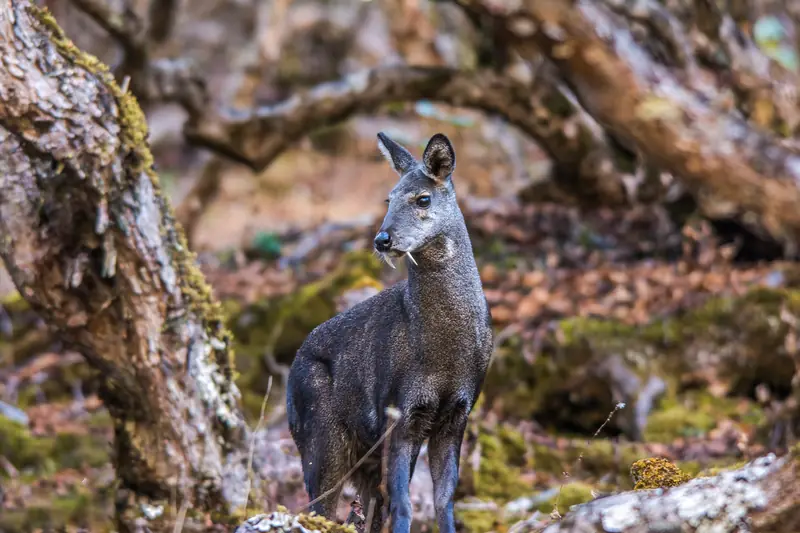
Musk, ambergris, civet and castoreum came from a musk deer, a sperm whale, a civet and a beaver, and perfumery has replaced nearly all of them with synthetic molecules since the late 19th century. You will learn where each material came from, which molecule took its place, and what "musk" means on a list of notes today.