Fragrance family
Ambers: the fragrance family of vanilla, balsams and resins
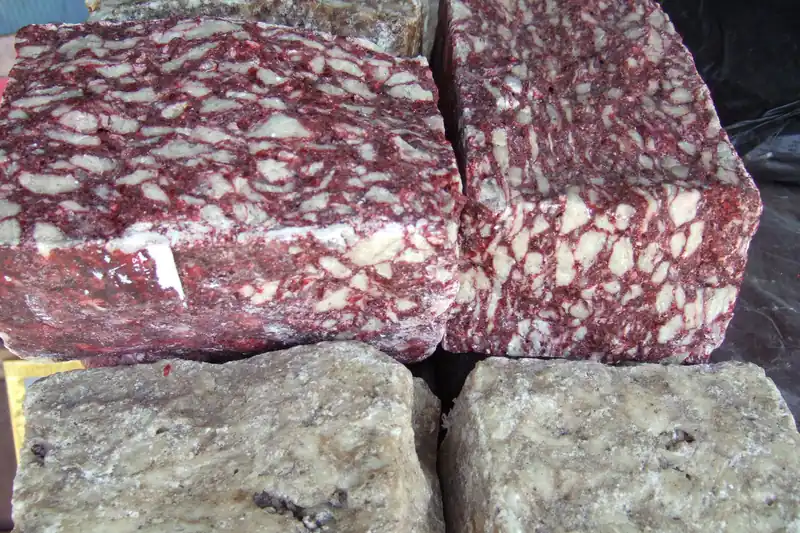
The amber fragrance family, long called oriental, gathers warm perfumes with vanilla notes carried by balsams and resins. An amber is a perfumer's accord, not to be confused with ambergris.
What does the amber family cover?
The amber family covers warm perfumes with a strong trail. The French perfumers' society classification of olfactory families (text in French), which also calls them orientals, groups here perfumes with soft, powdery, vanilla, labdanum and animal notes. The Wikipedia overview of perfume families describes a "Large class featuring sweet, slightly animalic scents of ambergris or labdanum, often combined with vanilla, tonka bean, flowers and woods."
Which sub-families does the amber family include?
The French classification lists six amber groups: soft amber, spicy floral amber, citrus amber, woody floral amber, floriental and fruity floral amber. Soft amber carries the classic amber note, known for its softness, its warmth and a pronounced trail. Florientals dose the amber more lightly inside a powerful bouquet led by flowers, freshness and spice.
Which materials make an amber?
Vanilla and its key molecule, vanillin, form the sweet core of the family. Wikipedia's vanillin article explains that in 1874 Ferdinand Tiemann and Wilhelm Haarmann deduced its structure and found a synthesis from pine bark. Tonka bean, between almond and hay, benzoin, a resin with a vanilla scent, frankincense and musk complete the base, and cinnamon warms the spicy versions.
Amber or ambergris: what is the difference?
An amber is a perfumer's accord; ambergris is a material of animal origin. The French perfumers' society's history of perfume (in French) recalls that the medieval pomander, a gold or silver ball kept for the wealthiest, held ambergris formed in the intestines of the sperm whale. In the club's Notes, ambergris therefore has its own page, next to ambroxan, a synthetic molecule.
How do you recognize an amber on skin?
An amber shows itself through warmth that settles quickly and lasts: an impression of vanilla, resin, sometimes powder, that wraps around the skin. In spicy ambers, cinnamon or clove prickles a little at first before melting into that softness. The Ambers, Spices & Gourmands circle gathers members who love these evening and winter scents.
Notes in this family
Vanilla Vanillin Tonka bean Benzoin Frankincense Myrrh Ambergris Ambroxan Musk Immortelle Cinnamon Cardamom Clove Ginger Cocoa Coffee
Further reading
- Les Familles Olfactives, Société Française des Parfumeurs (text in French) sfp-parfumeurs.com
- Perfume, Wikipedia (Olfactive families) en.wikipedia.org
- Vanillin, Wikipedia en.wikipedia.org
- Histoire du parfum, Société Française des Parfumeurs (text by Annick Le Guérer, in French) sfp-parfumeurs.com
In the feed
What makes a smell read as clean?orla.citrus · Were old perfumes all natural before chemistry?aunty_val ·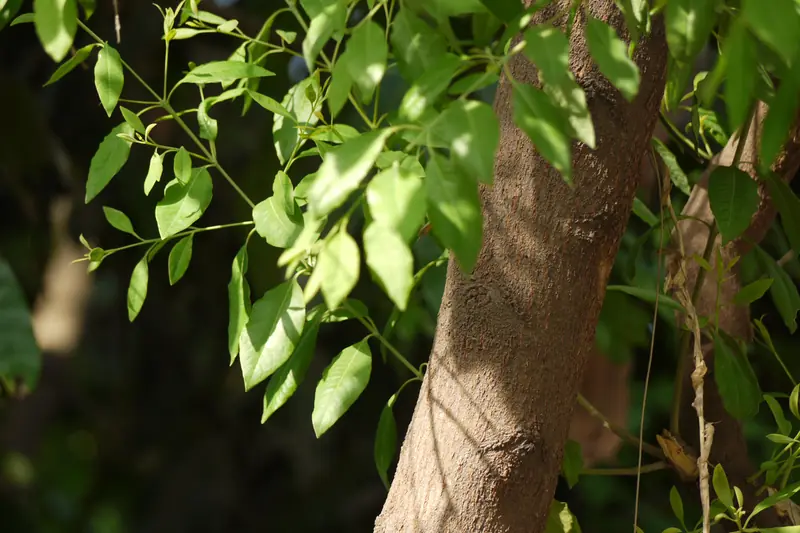 Oud chips at Eid: are the trees protected?amara.oud ·
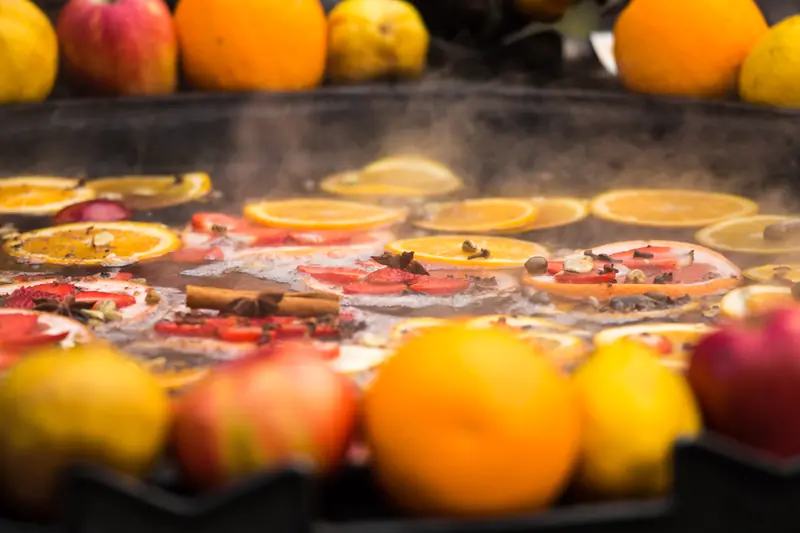 End-of-term presents that smelled of cinnamonkemi.cocoa ·
Challenge: one smell memory in every cardkemi.cocoa ·
End-of-term presents that smelled of cinnamonkemi.cocoa ·
Challenge: one smell memory in every cardkemi.cocoa ·
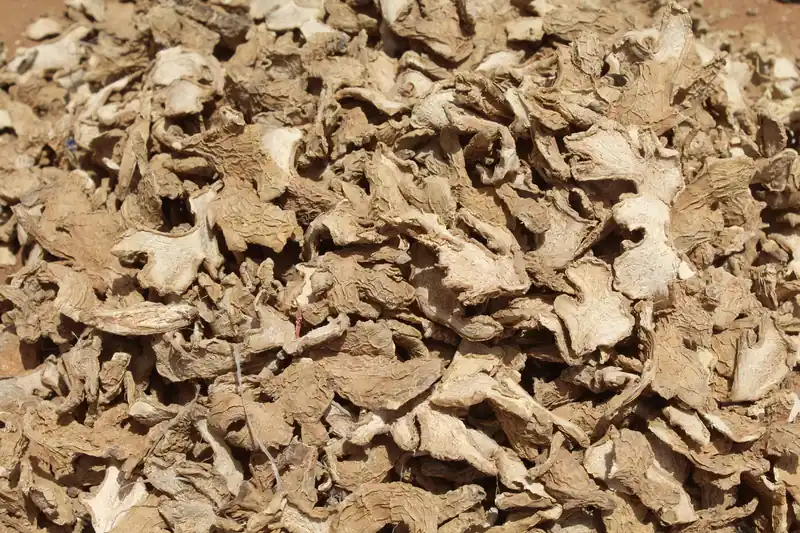 Thread of the week: five spice jars, lids offpriya.cardamom ·
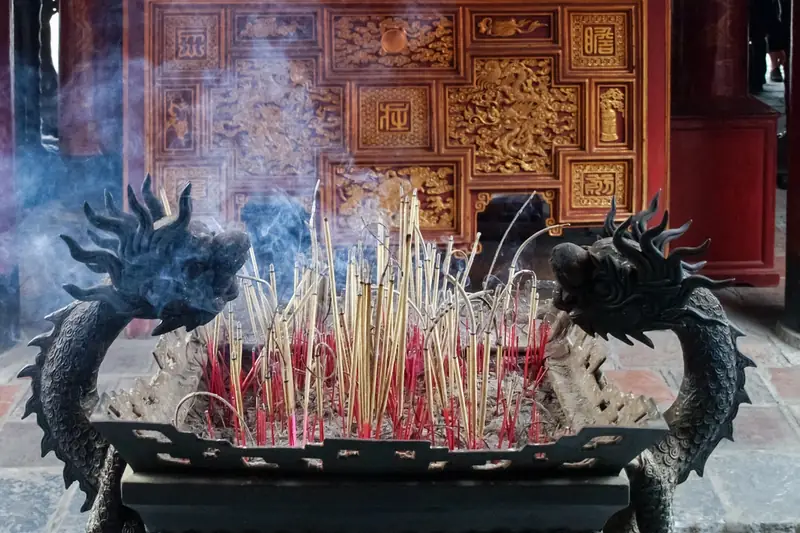 Starting a clove orange for the linen drawerkit.clove ·
 Rose water, cardamom and every family weddingmo_from_leicester ·