Frankincense: the resin tapped from Boswellia trees
Frankincense, also called olibanum, is a gum resin tapped from the bark of Boswellia trees, with a resinous, woody, peppery smell and a hint of pine. Perfumers use it as an essential oil or an absolute.
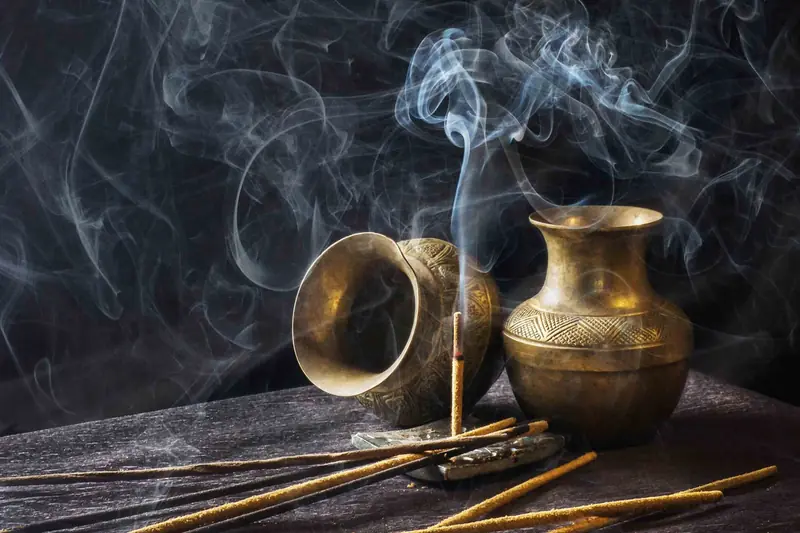
Where does frankincense come from?
Frankincense comes from trees of the genus Boswellia in the Burseraceae family: Boswellia sacra in Somalia and southern Arabia, including Oman's Dhofar region, B. serrata in India and B. papyrifera in Ethiopia, Eritrea and Sudan. According to Wikipedia's frankincense article, 90% of today's production comes from the Horn of Africa. Trees start yielding at around 8 to 10 years old and are tapped two to three times a year.
The essential oil is steam-distilled from the resin, and its main constituents are alpha-pinene, limonene and beta-pinene. Steam-distilled oils contain no boswellic acids, which only solvent extracts may carry. The trade is old: UNESCO inscribed Oman's Land of Frankincense as a World Heritage Site in 2000.
What does frankincense smell like?
Frankincense smells terpenic and resinous, with peppery, spicy, old-wood, pine and green facets. The French Wikipedia entry on frankincense sums up the perfumery essence as woody, rather mineral and lightly spiced.
What does frankincense do in a perfume?
Frankincense is one of the resins commonly used in perfumery, alongside labdanum, myrrh, Peru balsam and benzoin, and it sits in the amber family. Compare it with myrrh, its companion since antiquity, with benzoin, and with galbanum, which Exodus already lists beside frankincense in the Temple incense.
What should you know about frankincense?
Frankincense trees are under pressure. The IUCN flagged Boswellia sacra as near threatened in 1998, a 2019 study predicted a 50% fall in B. papyrifera within two decades, and the trees are not covered by CITES. Burned indoors, incense also releases indoor air pollutants such as benzene and formaldehyde. If you burn resin at home, our class on scenting your home covers indoor air and ventilation.
Often paired with
Further reading
- Frankincense (Wikipedia) en.wikipedia.org
- Encens (résine oliban) (Wikipédia) fr.wikipedia.org
- Perfume (Wikipedia) en.wikipedia.org
- Galbanum (Wikipedia) en.wikipedia.org
Frankincense in the feed
amara.oudin Woods, Mosses & Roots · Birmingham ·
Question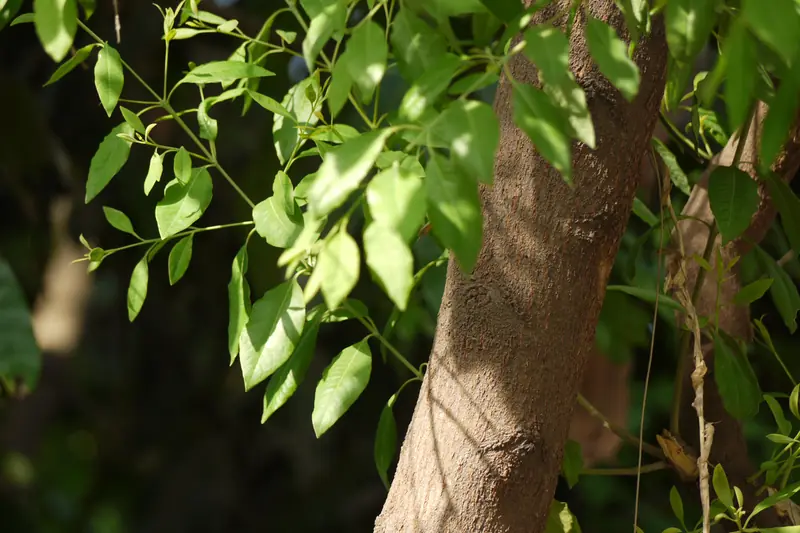
Oud chips at Eid: are the trees protected?
At Eid my aunties burn oud chips on charcoal and the whole house holds the smell for days. Someone at uni said the trees are protected now. Is that true?
frankie.incense Fun fact: the FAO note on agarwood trade and CITES says Aquilaria malaccensis, one of the trees oud comes from, was listed in CITES Appendix II in…
frankie.incensein Home Fragrance & Candles · Chicago ·
QuestionSunday frankincense cone with the radiators on
Fun fact: a French public health sheet on candles, incense and indoor air says incense gives off higher concentrations of pollutants than candles, while what a candle releases hangs around in the air longer. [My high school French got a workout.] I definitely…
harriet.hay That same Santé.fr page on candles, incense and the air indoors gives the practical side, Frankie: air the room for at least ten minutes after…
frankie.incensein Ambers, Spices & Gourmands · Chicago ·
MemoryMidnight Mass incense and being seven again
Fun fact: Rachel Herz's review of odor-evoked memory says the memories a smell brings back tend to come from the first decade of life, and feel more emotional than ones cued by words or pictures. That's definitely me. The choir started planning the Christmas…
lupe.pinonin Ambers, Spices & Gourmands · Santa Fe ·
Discovery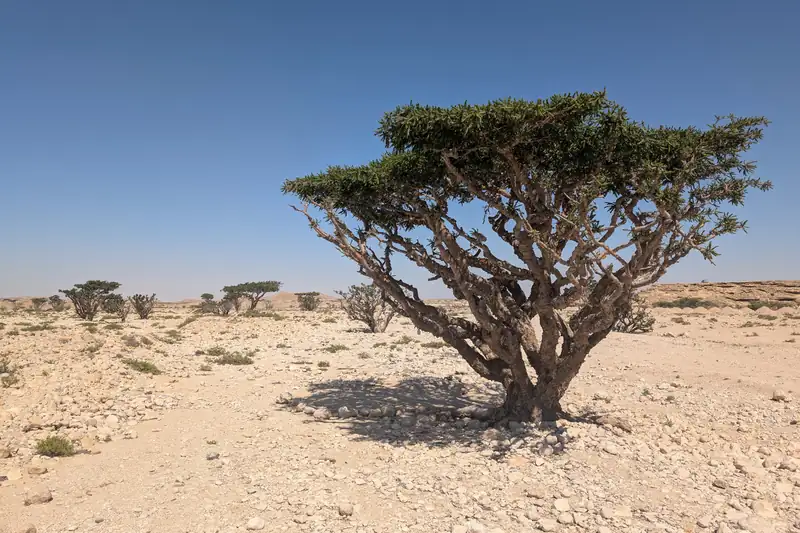
Frankincense tears smell different before you light them
A neighbour back from a trip gave me a little bag of frankincense tears. I only knew it as church smoke. Unlit, a tear smells like lemon peel and pine sap, nothing smoky at all. I warmed one on a tin lid over the stove and the church came straight back.
frankie.incense Fun fact: the first perfume-maker anyone can name is Tapputi, recorded on a Mesopotamian cuneiform tablet dated 1200 BCE [I definately want to know…
amara.oudin Ambers, Spices & Gourmands · Birmingham ·
Memory
Frankincense and oud in the hallway at Eid
Revising late and someone down the corridor is burning frankincense. Straight back to Eid at my aunt's, oud on the coals and everyone's coats smelling of it for days.
frankie.incensein Seasons & Celebrations · Chicago ·
ReadingRead: smell beats the carols at bringing Christmas back
Fun fact: Rachel Herz's review of odor-evoked memory reports that memories cued by a smell are rated more emotional than memories cued by words, images or sounds, and that they tend to date from the first decade of life. As a choir director I take that…
rafa_azahar Hello friends, anise takes me furthest, my grandmother's pestiños. I am six years old again. Un abrazo.
In the Classes
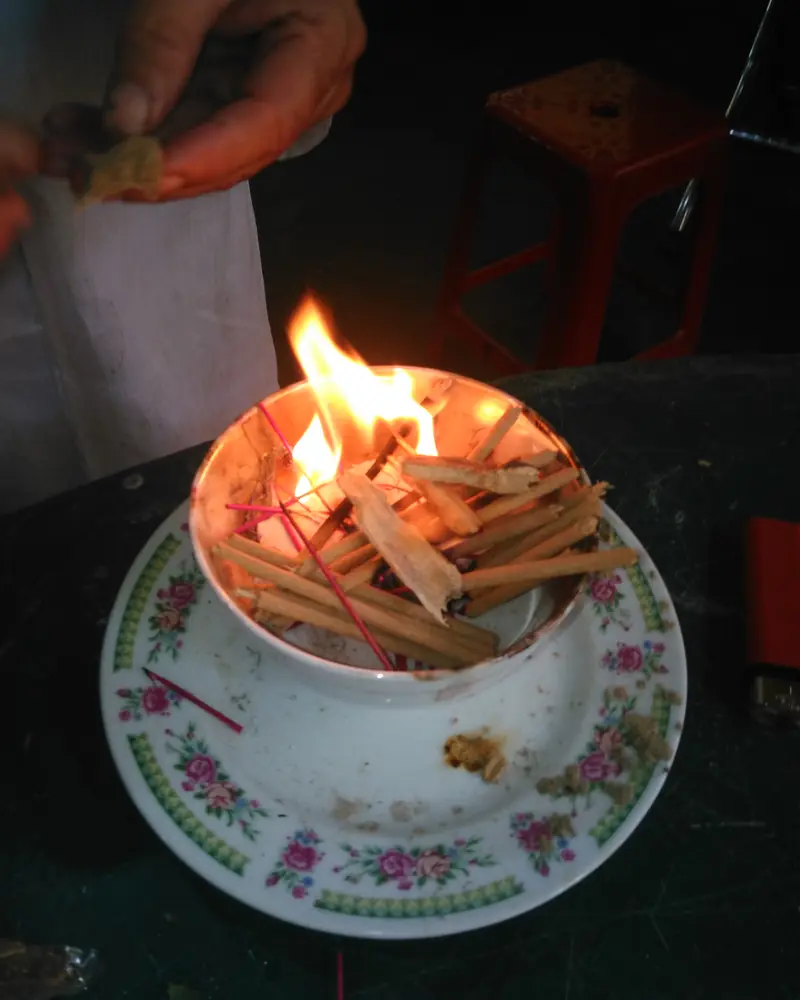
Class no. 13 · 7 min read
Niche perfumery: what the word covers and what it can't promise
Niche perfumery means fragrance houses that sell through selective channels to a narrower audience than the mass market: the word describes a way of selling, not a guarantee of quality. By the end of this Class you'll be able to tell niche, independent and auteur perfumery apart, and smell a fragrance without being carried away by its story.
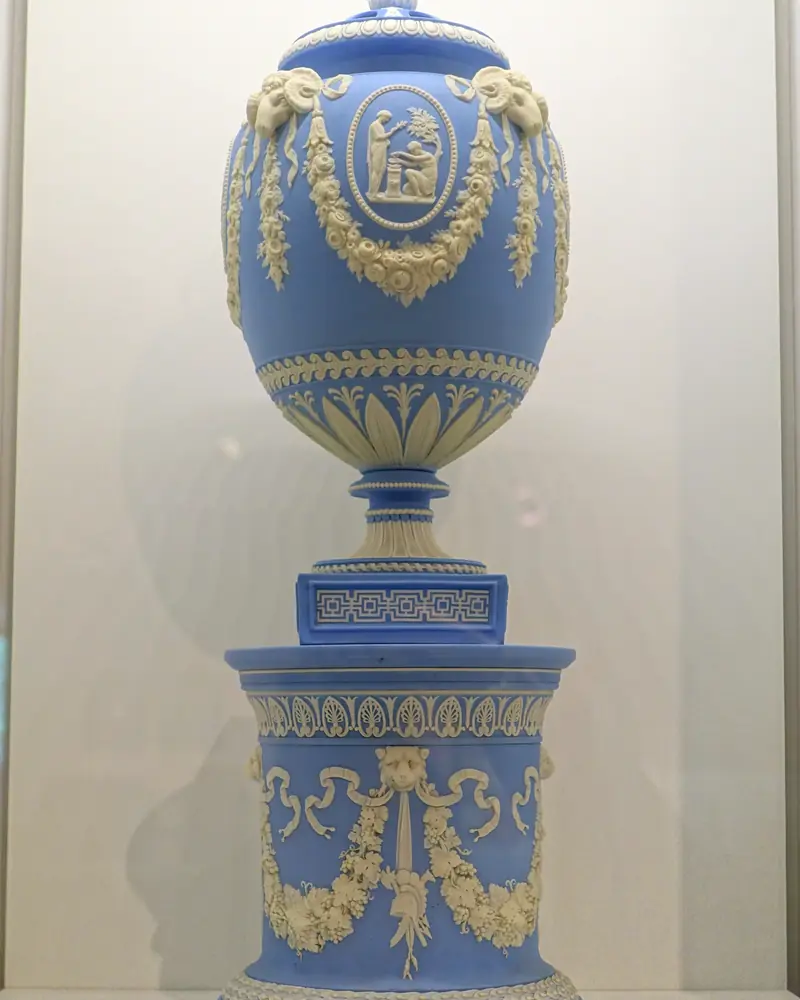
Class no. 18 · 6 min read
Scenting your home: what candles, incense and diffusers do to the air
Scenting your home without degrading the air comes down to two habits that UK and US health guidance share: cut back on the source, and ventilate while and after you use it. You will learn what a candle, an incense stick, a spray or a diffuser releases, and how to enjoy a scent at home without burning anything.