Sandalwood: the creamy precious wood now under pressure
Sandalwood is an essential oil distilled from the wood of Santalum album, with a soft, warm, creamy, almost milky precious-wood smell. The tree has been overexploited, so perfumers increasingly turn to other species and to synthetic molecules.
Where does sandalwood come from?
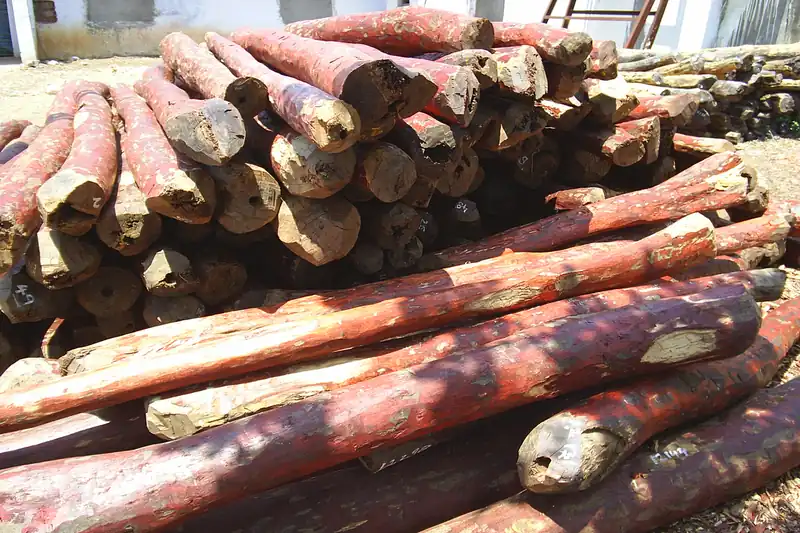
True sandalwood is Santalum album, a small tropical tree in the Santalaceae family that is also a hemiparasite, tapping the roots of neighbouring trees. Wikipedia's sandalwood article calls it a protected species whose supply cannot meet demand, and notes that Australia, around Kununurra in Western Australia, is now its largest producer. In India, the main sandalwood tracts lie in Karnataka and neighbouring states.
The oil is usually steam-distilled from the wood, a slow process of 14 to 36 hours. Whole trees are harvested, stump and roots included, because those parts are rich in oil. The two santalol isomers make up about 75% of the oil.
What does sandalwood smell like?
Sandalwood has a distinctive soft, warm, smooth and creamy scent, often described as milky. Its quality depends on the age of the tree, where it grew and the skill of the distiller.
What does sandalwood do in a perfume?
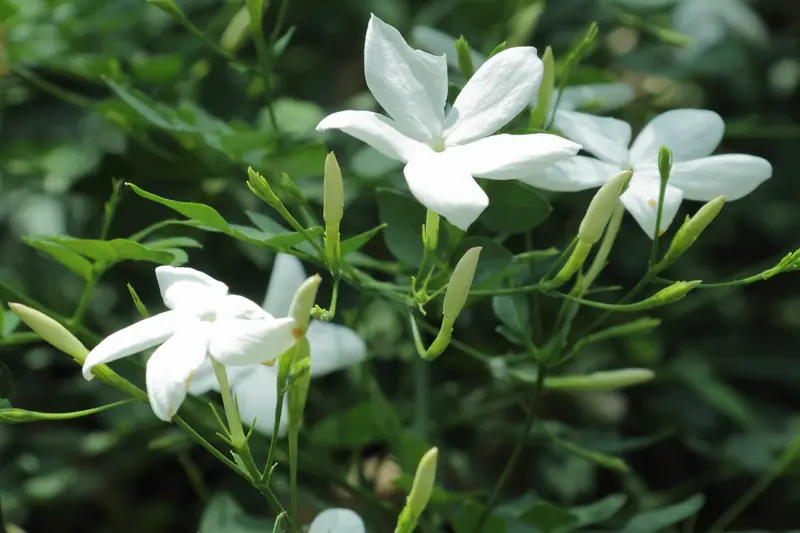
Sandalwood gives a long-lasting woody base and acts as a fixative, slowing down the more volatile materials around it. It appears in the woody family as well as in amber, fougère and chypre fragrances, and it pairs often with white flowers such as jasmine and ylang-ylang. Compare it with cedarwood and oud, its neighbours in the woody family.
What should you know about sandalwood?
Wild Santalum album is assessed as vulnerable by the IUCN, as the French Wikipedia page on Santalum album records, and India has banned its export. In the EU, Regulation (EU) 2023/1545 adds both sandalwood oil and santalol to the fragrance allergens named on labels. Substitutes include Australian sandalwood (Santalum spicatum) and synthetics such as isobornyl cyclohexanol. Our class on precious woods compares sandalwood, oud and cedar.
Often paired with
Further reading
- Sandalwood (Wikipedia) en.wikipedia.org
- Santalum album (Wikipédia) fr.wikipedia.org
- Commission Regulation (EU) 2023/1545 of 26 July 2023 amending Regulation (EC) No 1223/2009 of the European Parliament and of the Council as regards labelling of fragrance allergens in cosmetic products eur-lex.europa.eu
Sandalwood in the feed
amara.oudin Woods, Mosses & Roots · Birmingham ·
Question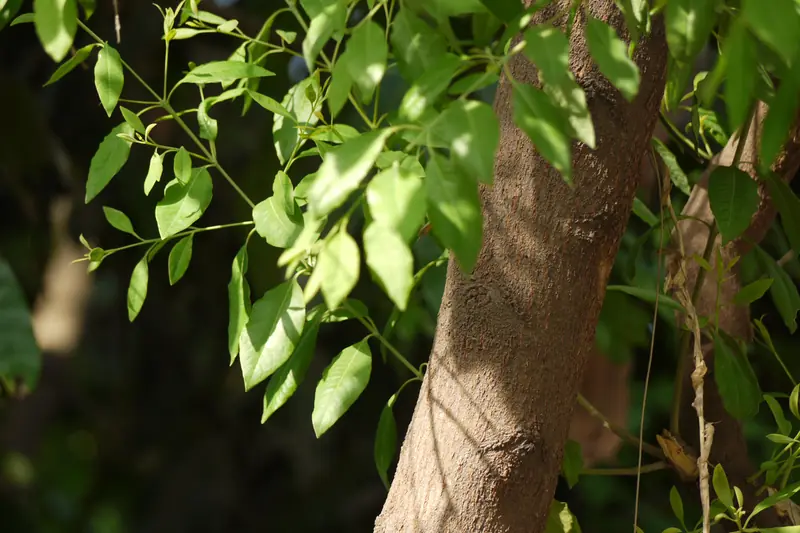
Oud chips at Eid: are the trees protected?
At Eid my aunties burn oud chips on charcoal and the whole house holds the smell for days. Someone at uni said the trees are protected now. Is that true?
frankie.incense Fun fact: the FAO note on agarwood trade and CITES says Aquilaria malaccensis, one of the trees oud comes from, was listed in CITES Appendix II in…
callum.peatin Wearing Fragrance · Glasgow ·
Question
Layering something lighter over birch tar
My birch scent is a running joke at home, and now my partner has asked if I could soften it for her sister's wedding. Can you layer something lighter over a smoky birch scent, or does it all turn to mud?
ingrid_berlin Put the quiet one underneath, not on top. A musk or a soft wood as the bass, then less birch over it.
ruby.sandalin Woods, Mosses & Roots · Perth ·
Snapshot
A dead sandalwood branch behind the shed
Days off back home. Split an old dead sandalwood branch behind the shed and the smell came straight out, dusty, warm, a bit sweet. Wattle out everywhere too.
nnamdi.vetiverin Woods, Mosses & Roots · Nottingham ·
TipStep outside between woods
When vetiver, cedar and sandalwood start smelling the same, I go and stand in the yard for a minute. Comes back every time.
aroha.rain It's olfactory fatigue: the Wikipedia page on olfactory fatigue says sensitivity comes back once you leave the area. Works heaps for me.
hana.neroliin Woods, Mosses & Roots · Vancouver ·
Question
My grandmother's sandalwood box smells of warm milk
My grandmother kept her incense in a small sandalwood box. I opened it this weekend for the first time in years and it smells soft, almost like warm milk, not like any wood I know. Is that what sandalwood is supposed to smell like?
nell.wattle Okay, nerd moment: 'milky' is actually how the sandalwood page puts it, soft, warm and creamy. Over here we have a different species, Santalum…
In the Classes
Class no. 2 · 6 min read
The fragrance pyramid: top, heart and base notes explained
The fragrance pyramid sorts a perfume's materials by how fast they evaporate: top notes go first, heart notes carry the theme, base notes stay longest. You'll learn to read one, test it on a paper strip and spot what it leaves out.
Class no. 17 · 8 min read
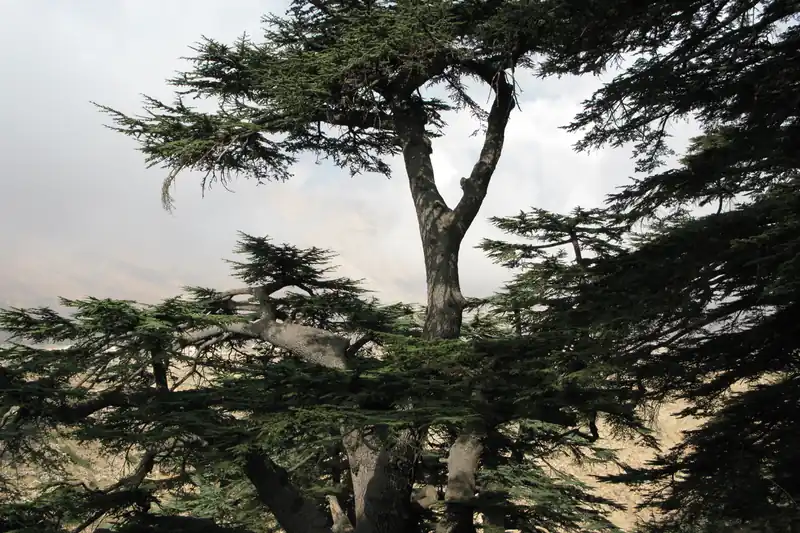
Precious woods: where sandalwood, oud and cedarwood really come from
Sandalwood, oud and cedarwood come from very different trees, and several are under pressure: Indian sandalwood is listed as vulnerable by the IUCN, every agarwood-producing species is covered by CITES, and Atlas cedar is endangered. You will learn where each wood comes from, what scarcity changes in a perfume, and what the words sandalwood, oud and cedar on a label can and cannot tell you.
Class no. 22 · 7 min read
Reading a perfume label: ingredients, allergens, batch codes, symbols
A perfume label reads in four parts: the ingredient list with "parfum" and the named allergens, the batch code, the symbols about shelf life, and the concentration, which the EU cosmetics regulation puts no number on. You will know what each detail tells you, what it is allowed to leave out, and how labels differ in the EU, the US and Canada.