Jasmine: the delicate flower that gave perfumery Hedione
Jasmine flowers are too delicate to distil, so perfumers rely on a rich absolute that smells warm, sweet, fruity and animalic. Studying its scent led to Hedione, a synthetic that pushed modern perfume toward transparency.
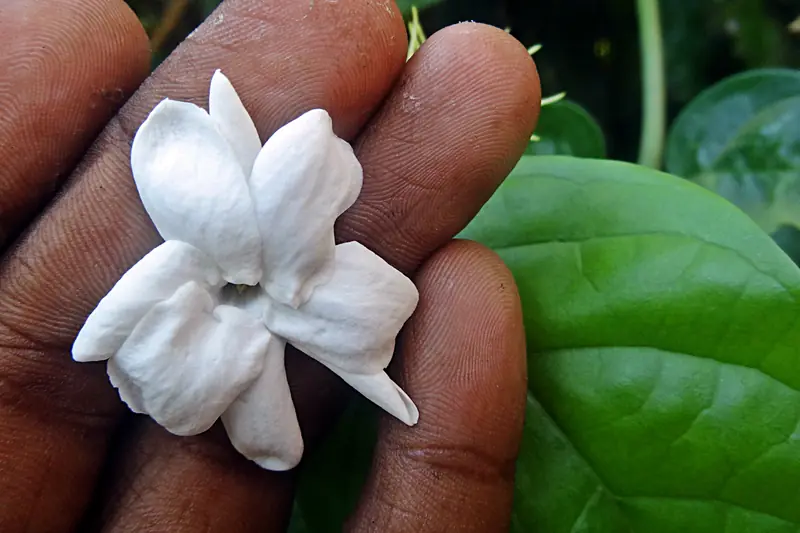
Where does jasmine come from?
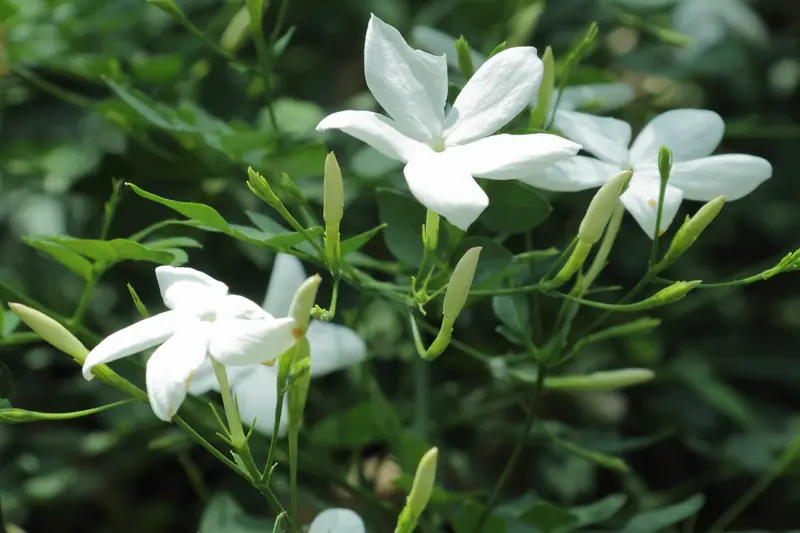
Jasmine, Jasminum, is a genus of around 200 species of shrubs and vines in the olive family, native to tropical and warm temperate regions of Asia, Africa and Oceania. Perfumery relies above all on Jasminum grandiflorum, whose name means large, showy flowers. According to Wikipedia's article on jasmine, the village of Shubra Beloula in Egypt grows most of the jasmine used by the global perfume industry.
Jasmine is too delicate to be steam-distilled and can only yield its aroma through solvent extraction, as the entry on absolutes in perfumery explains: the flowers give a waxy concrete, which ethanol turns into an absolute. Enfleurage, the older method, captured the scent in fat.
What does jasmine smell like?
Jasmine absolute smells warm, sweet, fruity and animalic, in the words of the French perfumery glossary on Wikipedia, which also names Egypt and India as today's main producers. Jasmine even lent its name to the jasmonates, a group of plant hormones whose structure was worked out from methyl jasmonate isolated from Jasminum grandiflorum oil.
What does jasmine do in a perfume?
Jasmine and rose are known as the two queen flowers of perfumery, the core of the florals family. Jasmine's chemistry also gave perfumery one of its key synthetics: Hedione, or methyl dihydrojasmonate, a relative of the methyl jasmonate found in jasmine, tuberose and magnolia. The article on methyl dihydrojasmonate credits Eau Sauvage (1966) as the first commercially successful fragrance to use it, adding a dewy, lemony magnolia-jasmine dimension and starting a trend toward transparency.
What should you know about jasmine?
Jasmine absolute is a restricted material. The International Fragrance Association (IFRA) Standard for jasmine absolute (grandiflorum) sets maximum levels because of a risk of skin sensitisation, from 0.032% to 4.2% of the finished product depending on the product category. Under EU Regulation 2023/1545, jasmine oils and extracts must appear on cosmetic labels as Jasmine Oil/Extract above 0.001% in leave-on products. The class on extraction methods explains enfleurage and solvent extraction.
Often paired with
Further reading
- Jasmine (Wikipedia) en.wikipedia.org
- Absolute (perfumery) (Wikipedia) en.wikipedia.org
- Glossaire de la parfumerie (French Wikipedia) fr.wikipedia.org
- Methyl dihydrojasmonate (Wikipedia) en.wikipedia.org
- IFRA Standard, Jasmine absolute (grandiflorum) (Amendment 49, 2020) ifrafragrance.org
- Commission Regulation (EU) 2023/1545 of 26 July 2023 (labelling of fragrance allergens in cosmetic products) eur-lex.europa.eu
Jasmine in the feed
juniper_julesin Florals & Bouquets · Portland ·
TipStep outside to smell the potted jasmine again
Studio notes: I brought the potted jasmine in from the porch for winter and it fills the whole studio, but after an hour I can't smell it at all. A minute in the yard and it's back, and it hits harder then the kiln ever does. Wikipedia's page on olfactory…
ambrose_leatherin History, Bottles & Houses · Northampton ·
Discovery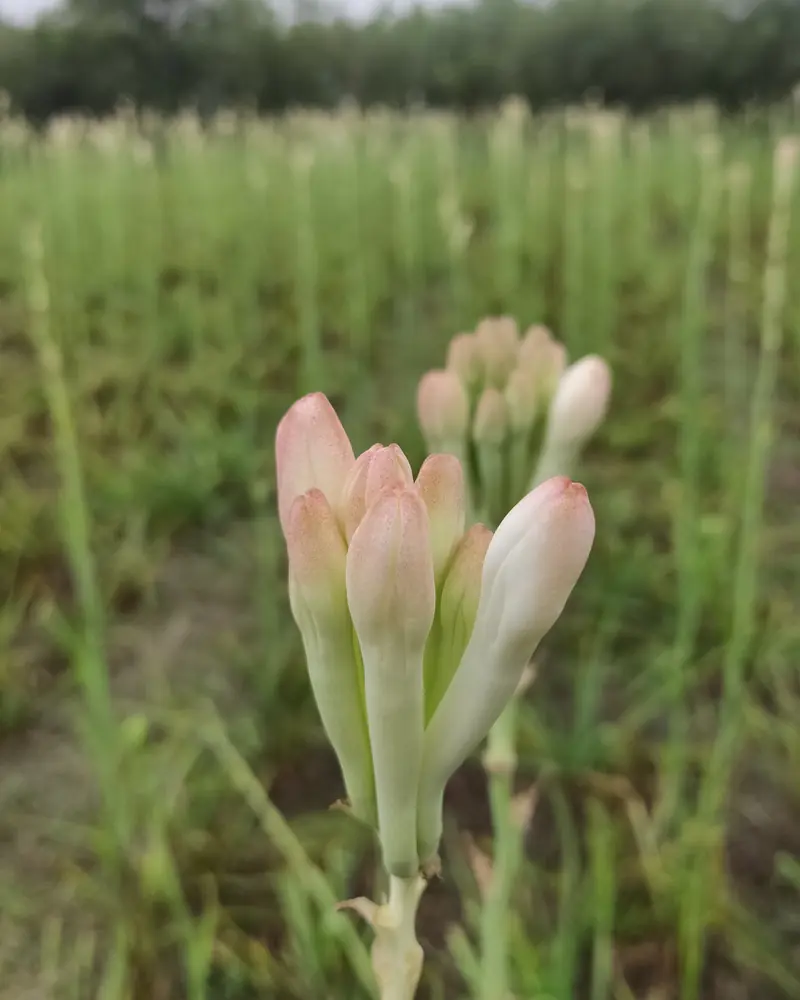
Enfleurage sounds like dressing a hide
Right then. Reading the encyclopedia page on enfleurage : you spread fat on glass, lay flowers on it and keep replacing them until the fat is saturated, then wash that pomade in alcohol to get an absolute. Jasmine and tuberose were the key flowers, and the…
maeve.moss Fat that holds on to a flower and alcohol that coaxes it back out again. Grand find, Ambrose.
carys.cardiffin History, Bottles & Houses · Cardiff ·
Reading
Where Grasse's jasmine fields went
Reading the museum's page on its conservatory of fragrant plants : from the 1960s international groups bought up Grasse factories, and between 1970 and 1980 jasmine growing moved to the Nile Delta and then South India, which now produce 90% of the world's…
rafa_azahar Jasmine is everywhere in Seville, but I did not know the fields went to Egypt and India.
aroha.rainin Seasons & Celebrations · Wellington ·
Snapshot
Spring jasmine by the ferry, Christmas at the beach
Kia ora, spring here and the jasmine on the fence by the terminal is out, it's heaps sweet after the rain. Christmas will be a beach one, sweet as.
priya.cardamomin Welcome to the Club · Toronto ·
ChallengeYour street, your kitchen, your pocket: three smells
Thread of the week: introduce yourself with three smells. No perfume names, just the smells. 1) one from your street 2) one from your kitchen 3) one from your coat pocket Mine: wet maple leaves on the sidewalk, cardamom pods splitting in a hot pan, and a…
harriet.hay Bonfire smoke from the allotments, toast, and a conker, which smells of nothing at all and lives in my pocket anyway. Shout if you get stuck.
ingrid_berlinin Florals & Bouquets · Berlin ·
ReadingHedione, the jasmine molecule with the bass turned down
Read the Wikipedia page on methyl dihydrojasmonate , the molecule sold as Hedione. A Firmenich chemist characterised it between 1957 and 1962, and Dior's Eau Sauvage, in 1966, was its first major commercial use. Jasmine with the bass turned down. /Ingrid
kasia.berlin Is this the same molecule that makes lily of the valley in perfume, or another one?
In the Classes
Class no. 2 · 6 min read
The fragrance pyramid: top, heart and base notes explained
The fragrance pyramid sorts a perfume's materials by how fast they evaporate: top notes go first, heart notes carry the theme, base notes stay longest. You'll learn to read one, test it on a paper strip and spot what it leaves out.
Class no. 5 · 7 min read
How Fragrance Is Extracted: Distillation, Enfleurage and Absolutes
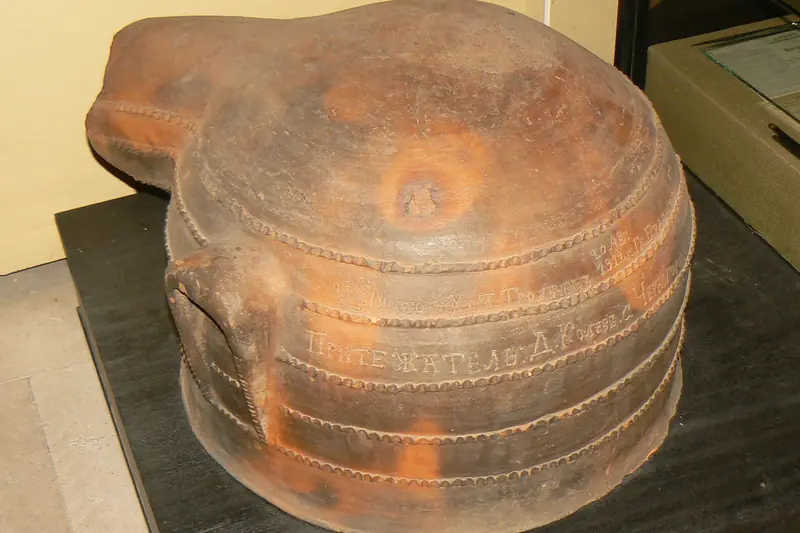
Perfumers draw scent from plants in five main ways (steam distillation, cold pressing, enfleurage in fat, volatile solvents and supercritical CO2), and each one yields a material with its own name. You'll be able to tell an essential oil from a concrete and an absolute, see why jasmine is kept away from steam, and try three of these methods with an orange in your kitchen.
Class no. 6 · 7 min read
Grasse, the Perfume Capital: Flowers, Skills and UNESCO Status
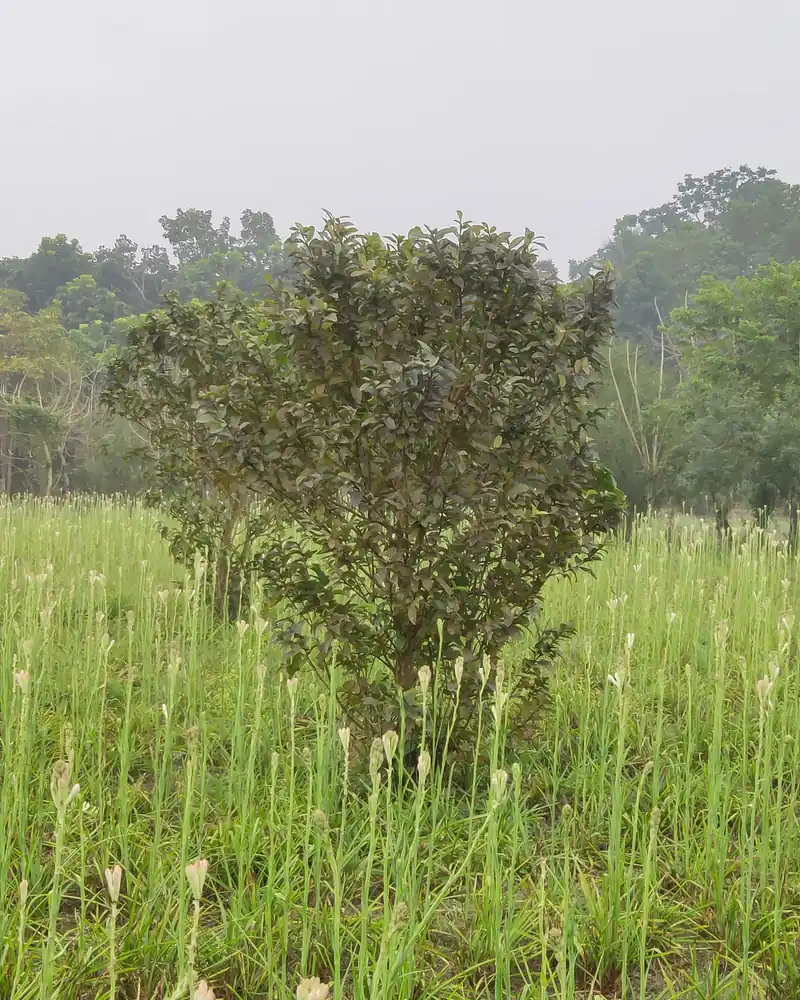
Grasse is the town in the south of France where growing perfume plants, processing them and composing fragrance have developed together since at least the sixteenth century, skills UNESCO inscribed on its intangible heritage list in 2018. You'll learn where its May rose, jasmine, tuberose and mimosa came from, what its perfume museum holds, and how to smell the town's palette at home.