Rose: the queen of perfumery flowers, from otto to absolute
Rose oil comes mainly from the damask rose and the cabbage rose, steam-distilled into rose otto or solvent-extracted into rose absolute. Its scent rests on citronellol and geraniol, lifted by trace rose ketones that carry most of the odour.
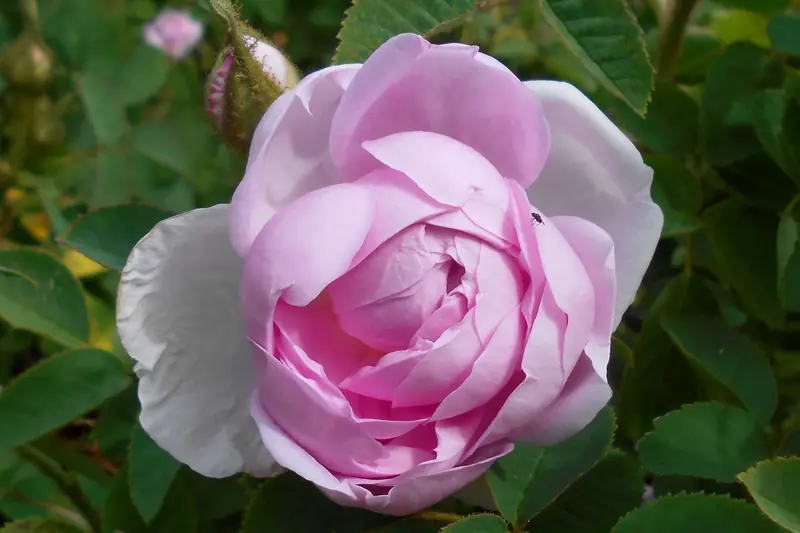
Where does perfumery rose come from?
Two species dominate. Rosa damascena, the damask rose, comes mainly from Bulgaria, Turkey and Saudi Arabia, which together account for over 70% of the rose oil market; Rosa centifolia, the cabbage rose, is grown more in Morocco, Egypt and France. Wikipedia's article on rose oil traces the production technique to ancient Iran. The flowers are picked by hand in the morning before sunrise and distilled the same day.
Distillation gives rose otto, or attar of roses, with rosewater as its by-product; solvent extraction gives rose absolute, the form more commonly used in perfumery. Yields are tiny, roughly one part oil to 3,000 parts petals, and the cabbage rose's petals are too delicate to give a distilled oil at all.
What does rose smell like?
Damask rose oil is built mainly on citronellol and geraniol. Yet its character comes from trace compounds: beta-damascenone, beta-damascone, beta-ionone and rose oxide each make up less than 1% of the oil but slightly more than 90% of its odour, thanks to their very low detection thresholds. Because the heat of distillation alters some compounds, otto smells less like a fresh rose than the absolute does.
What does rose do in a perfume?
Even with its high price and the rise of synthetic chemistry, rose oil is perhaps still the most widely used essential oil in perfumery, at the heart of the florals family beside jasmine. Its key molecules link it to other notes: the ionones, part of the rose ketone group with the damascones, are also characteristic of the scent of violets. To cut costs, most dealers dilute rose oil with geranium or palmarosa oils, both rich in geraniol.
What should you know about rose?
Natural rose is a labelled allergen. Under EU Regulation 2023/1545, oils and extracts of Rosa damascena, centifolia, gallica and other species share the label name Rose Flower Oil/Extract, required above 0.001% in leave-on cosmetics. The class on Grasse, the perfume capital covers the growing of perfume roses in Provence.
Often paired with
Further reading
- Rose oil (Wikipedia) en.wikipedia.org
- Ionone (Wikipedia) en.wikipedia.org
- Commission Regulation (EU) 2023/1545 of 26 July 2023 (labelling of fragrance allergens in cosmetic products) eur-lex.europa.eu
Rose in the feed
mo_from_leicesterin Giving Fragrance · Leicester ·
Memory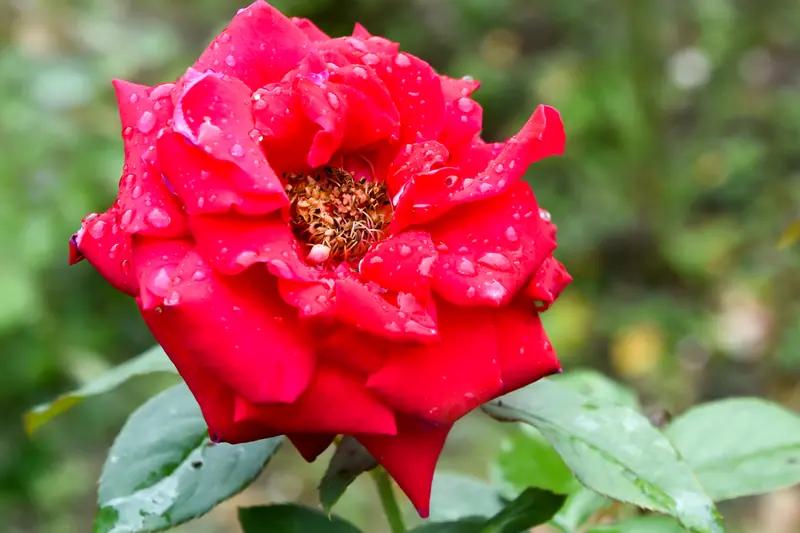
Rose water, cardamom and every family wedding
Our weddings all smell the same: rose water sprinkled at the door, cardamom in the tea, saffron in the rice, and the aunties' attar. My mum's birthday is next month and I've realised I've been smelling her taste my whole life. She wears rose, always rose. Do…
rafa_azahar Hello friends, it is the same with orange blossom in Seville, you know your mother's taste before you know the word for it. Stay with the rose, I…
grace_rose_nzin Home Fragrance & Candles · Dunedin ·
Memory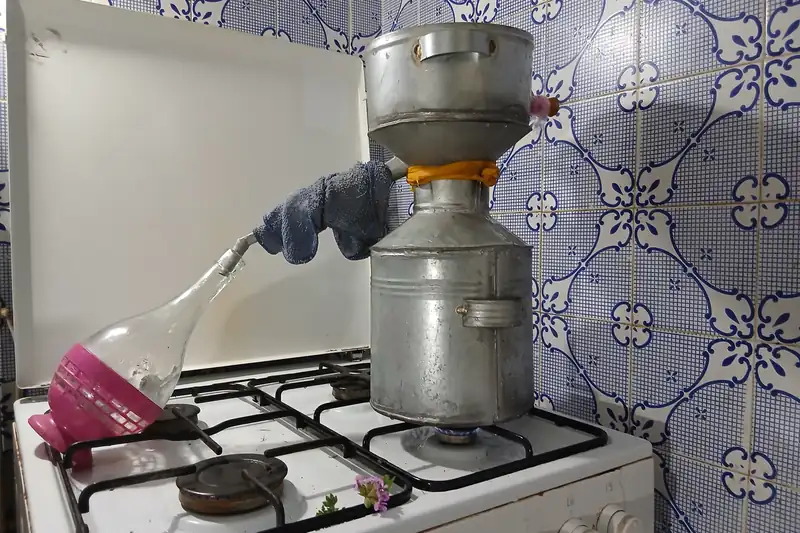
Rose petals drying in my mother's biscuit tin
My roses are only in bud this spring, but I opened my mother's old biscuit tin of dried petals and geranium leaves and it still smells of her hallway.
mags.lavender Morning all, Grace, that's lovely. My nan's potpourri had rose geranium leaves in it too, and I always thought they smelled alot more of rose than…
mo_from_leicesterin Florals & Bouquets · Leicester ·
Memory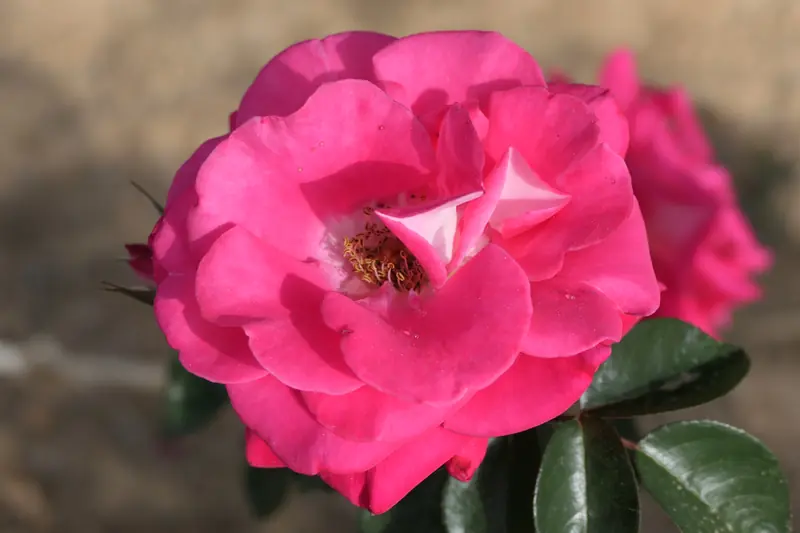
Rose and marigold garlands the morning after a wedding
Cleared up after my niece's wedding this morning. The garlands had been hanging all night, roses and marigolds on string, and the hall smelled of honey, tea leaves and something green and bitter from the marigolds. Took a few petals home in my pocket.
mo_from_leicesterin Giving Fragrance · Leicester ·
QuestionMy daughter is thirteen and wants a grown-up scent
My daughter is thirteen and has asked for 'a grown-up perfume' for Diwali. At weddings her older cousins wear something heavy with oud and rose, and that's what she wants. I'm not sure it suits a thirteen-year-old. Any thoughts?
kemi.cocoa I teach kids not much younger, and the ones who wear scent always want what the big ones wear. Mademoiselle Bulle's guide to gifts for a young woman…
mags.lavenderin Florals & Bouquets · Norwich ·
Snapshot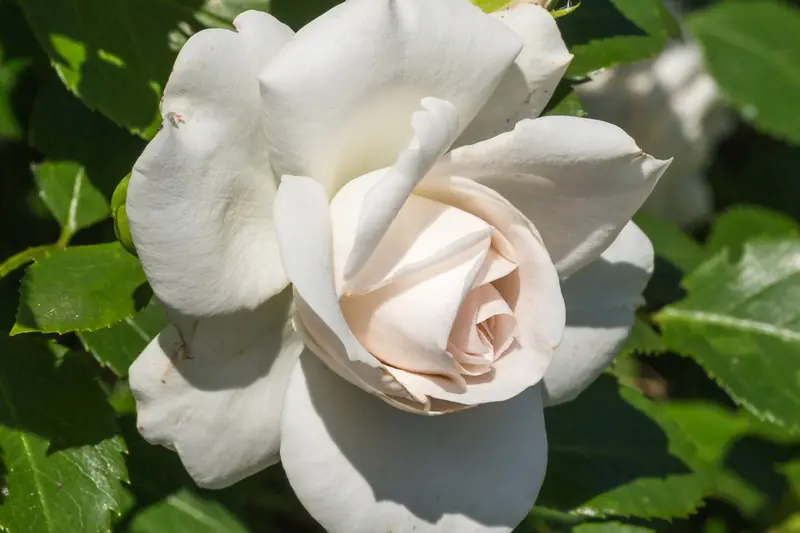
Last roses by the shed, still full of rain
Morning all, I cut the last few roses by the shed before the wind gets them. Half still in bud, the open ones holding rain in their middles like little cups. They smell of a warm jam pan and a cold wet leaf at the same time, alot stronger than anything from a…
grace_rose_nz Funny reading this with my first buds just showing colour here in Dunedin. Yours are going to bed and mine are waking up.
first.sniffin Welcome to the Club · Exeter ·
IntroductionArt history student in Exeter, starting from zero
Starting from zero. I can talk about a painting for ten minutes, but not about a smell. My gran's house smelled of roses and strong tea, and I'd love to be able to describe that properly one day.
harriet.hay Hello and welcome, first.sniff. Zero is where every one of us started, so you're in good company. Roses and strong tea make a lovely pair to begin…
In the Classes
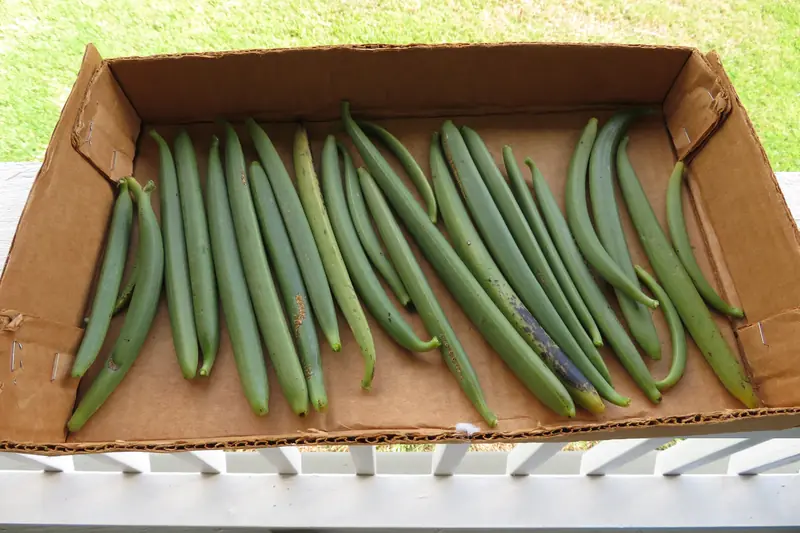
Class no. 1 · 6 min read
The seven fragrance families: how French perfumers sort scent
French perfumers sort fragrances into seven families, following the Société Française des Parfumeurs: citrus, florals, fougères, chypres, woody, ambers and leathers, each split into sub-families. You'll be able to place a scent on that map, translate it into the Fragrance Wheel used in shops, and spot where a family label stops helping.
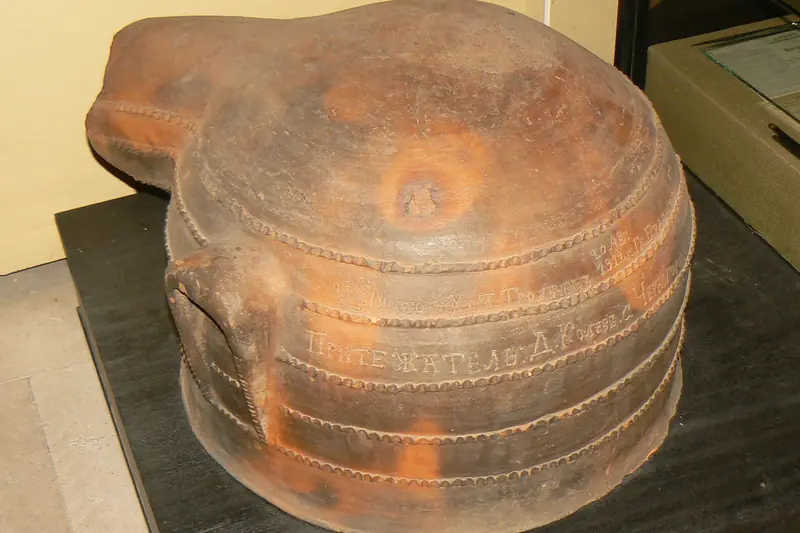
Class no. 5 · 7 min read
How Fragrance Is Extracted: Distillation, Enfleurage and Absolutes
Perfumers draw scent from plants in five main ways (steam distillation, cold pressing, enfleurage in fat, volatile solvents and supercritical CO2), and each one yields a material with its own name. You'll be able to tell an essential oil from a concrete and an absolute, see why jasmine is kept away from steam, and try three of these methods with an orange in your kitchen.
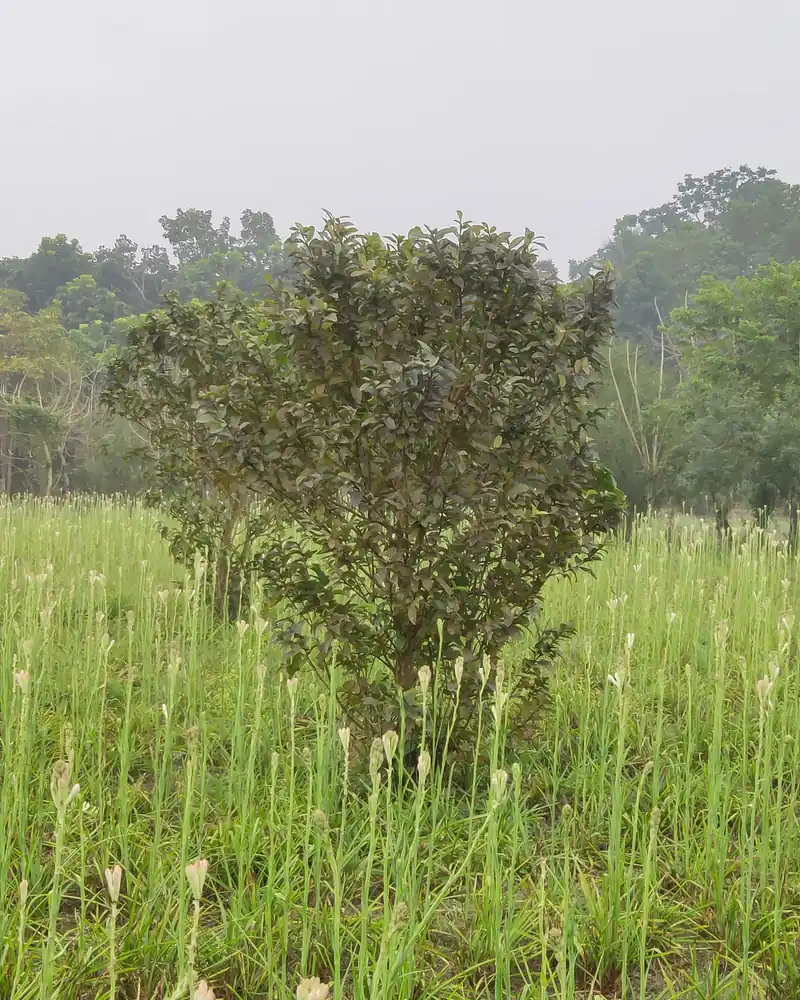
Class no. 6 · 7 min read
Grasse, the Perfume Capital: Flowers, Skills and UNESCO Status
Grasse is the town in the south of France where growing perfume plants, processing them and composing fragrance have developed together since at least the sixteenth century, skills UNESCO inscribed on its intangible heritage list in 2018. You'll learn where its May rose, jasmine, tuberose and mimosa came from, what its perfume museum holds, and how to smell the town's palette at home.