Oud: agarwood, the resin a tree makes against infection
Oud, or agarwood, is Aquilaria heartwood that has turned resinous in response to a fungal infection, with a sweet, woody, balsamic smell shading into leather, smoke and tobacco. Because it is rare and protected, most oud perfumes rely on a reconstructed accord.
Where does oud come from?
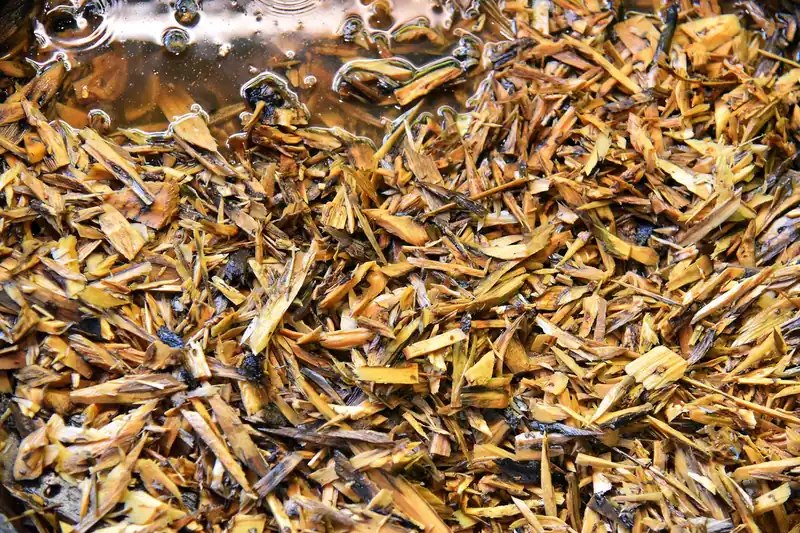
Oud comes from trees of South and Southeast Asia, mainly the genus Aquilaria. Wikipedia's agarwood article explains that healthy heartwood is pale and almost scentless; after infection by the mould Phaeoacremonium parasitica, the tree secretes a defensive resin and the wood turns dense, dark and saturated. "Oud" is the Arabic word for the material, literally "stick". In natural forests only about 7 trees in 100 of the same species become infected.
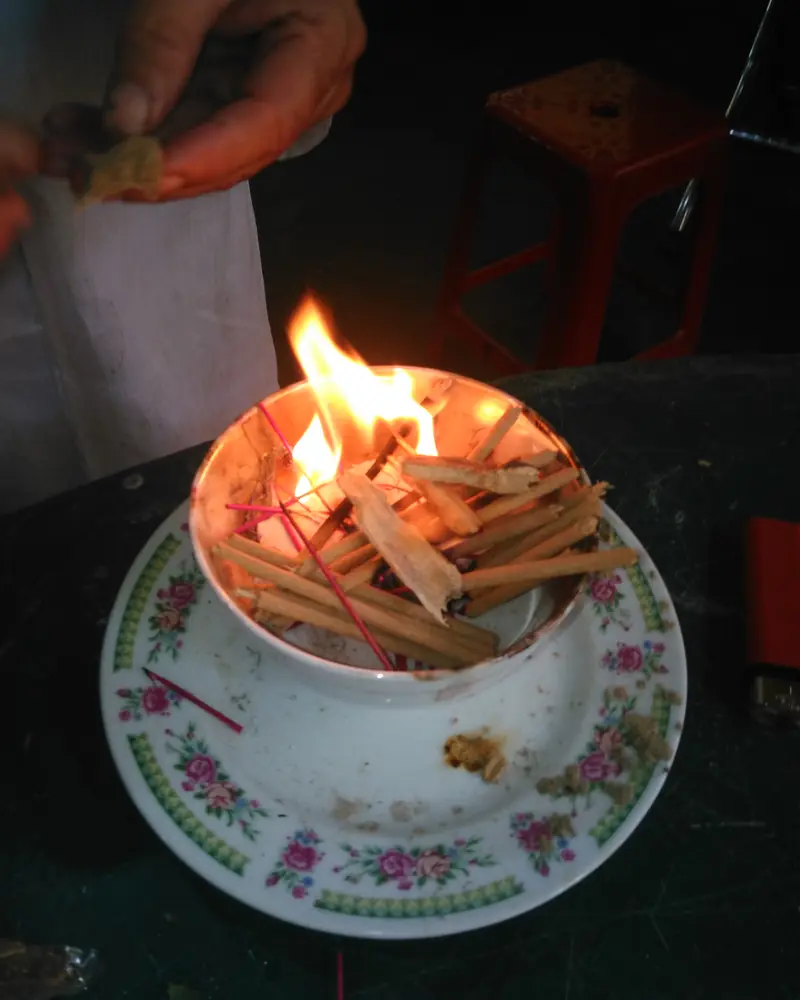
The oil is steam-distilled from the resinous wood, and the yield is tiny: 70 kg of wood gives no more than 20 ml of oil. The wood is also sold as chips and powder for burning.
What does oud smell like?
Oud has a complex smell with few natural analogues: sweet, woody and balsamic, with leathery, smoky, tobacco-like, animal and fruity facets, and something reminiscent of sandalwood. Burned as incense, it gives a sweet balsamic smoke with shades of vanilla, musk and amber.
What does oud do in a perfume?
Oud is usually a base note, traditionally paired with rose. Few houses use real oud because it is expensive and potent, so most fragrances labelled "oud" are built around an accord. Oud belongs to the woody family with sandalwood and cedarwood.
What should you know about oud?
Agarwood trees are protected under CITES: Aquilaria malaccensis has been listed in Appendix II since 1995, and all Aquilaria species were added in 2004. Wikipedia's Aquilaria malaccensis page gives the species' IUCN status as critically endangered. Adulteration is common, and plantations rely on fungal inoculation with mixed results. If you want the full picture, our class on precious woods covers why these materials are becoming scarce.
Often paired with
Further reading
- Agarwood (Wikipedia) en.wikipedia.org
- Aquilaria malaccensis (Wikipedia) en.wikipedia.org
Oud in the feed
amara.oudin Woods, Mosses & Roots · Birmingham ·
Question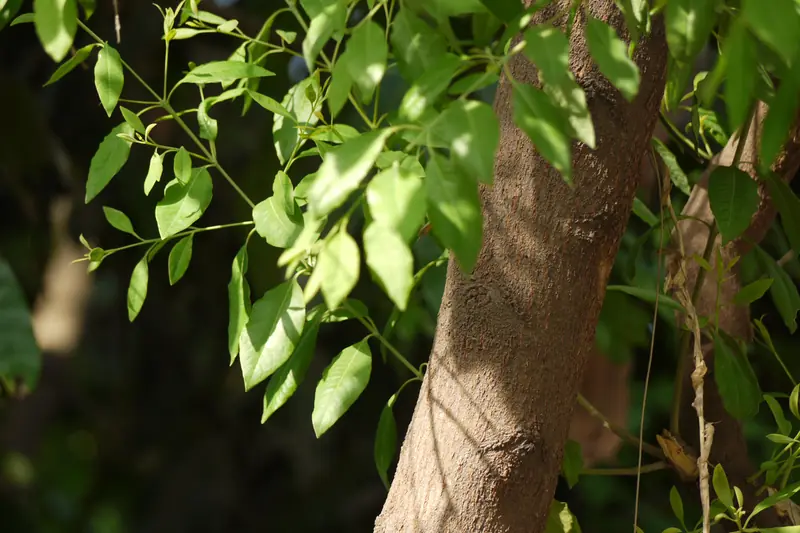
Oud chips at Eid: are the trees protected?
At Eid my aunties burn oud chips on charcoal and the whole house holds the smell for days. Someone at uni said the trees are protected now. Is that true?
frankie.incense Fun fact: the FAO note on agarwood trade and CITES says Aquilaria malaccensis, one of the trees oud comes from, was listed in CITES Appendix II in…
mo_from_leicesterin Giving Fragrance · Leicester ·
QuestionMy daughter is thirteen and wants a grown-up scent
My daughter is thirteen and has asked for 'a grown-up perfume' for Diwali. At weddings her older cousins wear something heavy with oud and rose, and that's what she wants. I'm not sure it suits a thirteen-year-old. Any thoughts?
kemi.cocoa I teach kids not much younger, and the ones who wear scent always want what the big ones wear. Mademoiselle Bulle's guide to gifts for a young woman…
amara.oudin Ambers, Spices & Gourmands · Birmingham ·
Memory
Frankincense and oud in the hallway at Eid
Revising late and someone down the corridor is burning frankincense. Straight back to Eid at my aunt's, oud on the coals and everyone's coats smelling of it for days.
lupe.pinonin Welcome to the Club · Santa Fe ·
Introduction
Piñon smoke and a school bus in Santa Fe
I drive the school bus in Santa Fe, and any evening now the first piñon fires start and the whole town smells sweet and smoky. Nothing beats it for me. I'm trying to learn resins and woods, slowly.
frankie.incense Fun fact: oud, the dark resin-soaked wood, forms in Aquilaria trees after a fungal infection, says Wikipedia's entry on agarwood . [Piñon is…
In the Classes
Class no. 13 · 7 min read
Niche perfumery: what the word covers and what it can't promise
Niche perfumery means fragrance houses that sell through selective channels to a narrower audience than the mass market: the word describes a way of selling, not a guarantee of quality. By the end of this Class you'll be able to tell niche, independent and auteur perfumery apart, and smell a fragrance without being carried away by its story.
Class no. 17 · 8 min read
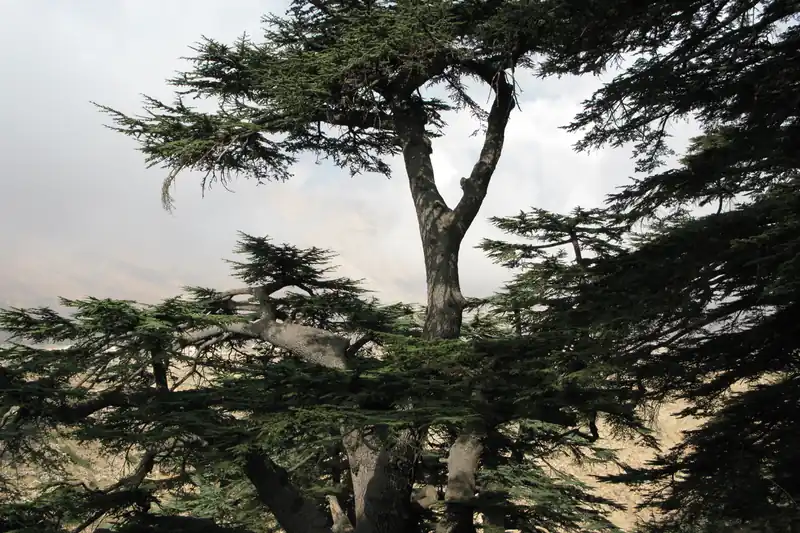
Precious woods: where sandalwood, oud and cedarwood really come from
Sandalwood, oud and cedarwood come from very different trees, and several are under pressure: Indian sandalwood is listed as vulnerable by the IUCN, every agarwood-producing species is covered by CITES, and Atlas cedar is endangered. You will learn where each wood comes from, what scarcity changes in a perfume, and what the words sandalwood, oud and cedar on a label can and cannot tell you.