Fragrance family
Woody: the fragrance family of sandalwood, cedar and vetiver
The woody fragrance family gathers perfumes dominated by woods, warm like sandalwood or dry like cedar and vetiver. Woody scents range from resinous conifers to spicy, amber or musky woods.
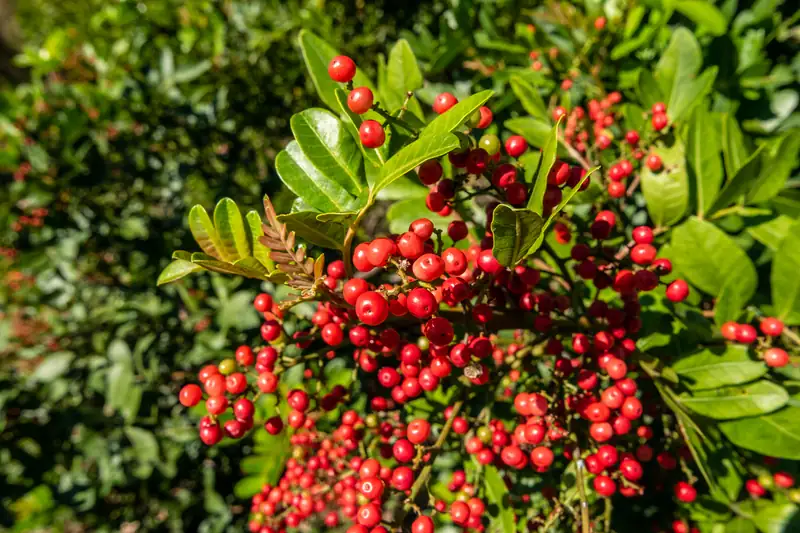
What does the woody family cover?
The woody family covers perfumes whose base is built from woods. The French perfumers' society classification of olfactory families (text in French) describes warm or opulent notes such as sandalwood and patchouli, sometimes dry ones such as cedar and vetiver, usually opened by lavender and citrus. The Wikipedia overview of perfume families lists agarwood, sandalwood, cedarwood and vetiver as typical woody notes, with patchouli common in these perfumes.
Which sub-families does the woody family include?
The French classification counts nine sub-families: woody, citrus coniferous woody, spicy woody, amber woody, aromatic woody, spicy leather woody, marine woody, fruity woody and musky woody. Citrus coniferous woods give pine oil a large role, with citrus on top. Spicy woods warm a soft sandalwood with pepper, nutmeg, clove or cinnamon, and spicy leather woods add birch and castoreum.
Which materials make a woody fragrance?
Creamy, milky sandalwood and cedarwood, dry as a sharpened pencil, are the two poles of the family. Vetiver comes from a grass root and smells woody and earthy, sometimes smoky. Oud, pine and fir, black pepper and fig, between green leaf and milky wood, round out the palette.
Why are some perfumery woods becoming scarce?
Several perfumery woods come from threatened trees. Wikipedia's article on agarwood explains that oud forms in the heartwood of Aquilaria trees after a fungal infection, that depletion of wild sources makes it rare and costly, and that in 2004 all Aquilaria species were listed in Appendix II of CITES, the convention on trade in endangered species. Real oud is used by few houses; many oud notes are accords rebuilt from other materials.
How do you recognize a woody fragrance on skin?
A woody fragrance shows itself after the opening, once the perfume settles: a dry, warm or creamy impression that stays close to the skin. On a blotter, cedar often recalls a freshly sharpened pencil, while sandalwood stays rounder and vetiver earthier. The Woods, Mosses & Roots circle compares these woods side by side.
Notes in this family
Vetiver Sandalwood Cedarwood Oud Iso E Super Pine and fir Fig Pink pepper Black pepper
Further reading
- Les Familles Olfactives, Société Française des Parfumeurs (text in French) sfp-parfumeurs.com
- Perfume, Wikipedia (Olfactive families) en.wikipedia.org
- Agarwood, Wikipedia en.wikipedia.org
In the feed
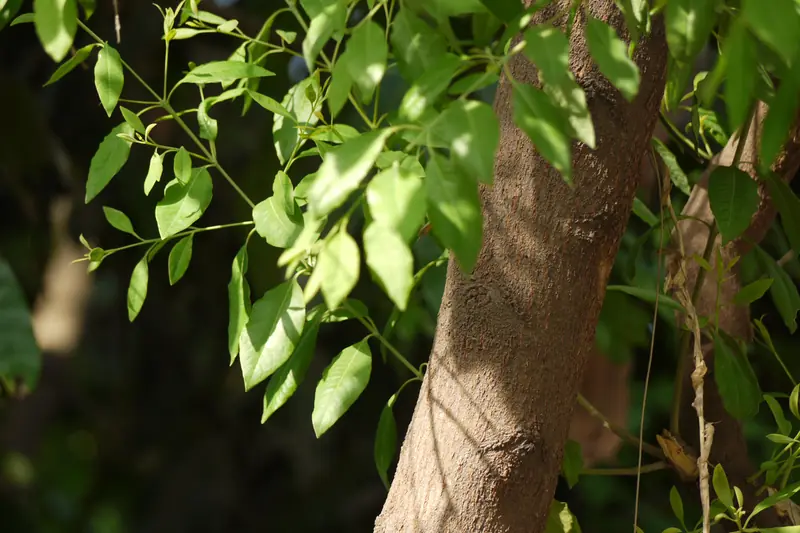 Oud chips at Eid: are the trees protected?amara.oud ·
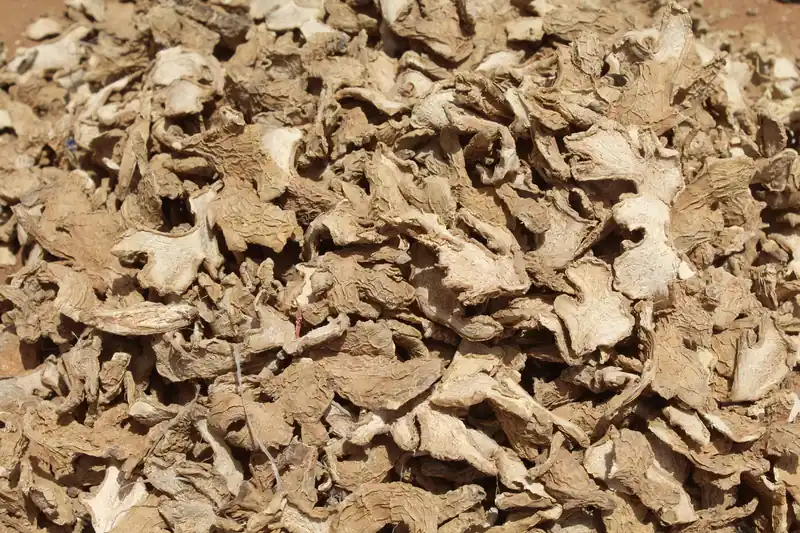 Thread of the week: five spice jars, lids offpriya.cardamom ·
My glaze notebook is turning into a smell notebookjuniper_jules ·
Thread of the week: five spice jars, lids offpriya.cardamom ·
My glaze notebook is turning into a smell notebookjuniper_jules ·
 Layering something lighter over birch tarcallum.peat ·
Bus mechanic in Nottingham, vetiver on days offnnamdi.vetiver ·
Layering something lighter over birch tarcallum.peat ·
Bus mechanic in Nottingham, vetiver on days offnnamdi.vetiver ·
 A dead sandalwood branch behind the shedruby.sandal ·
Pencil, pine cone, peppercorn: a drawer testhamish_heather ·
My daughter is thirteen and wants a grown-up scentmo_from_leicester ·
A dead sandalwood branch behind the shedruby.sandal ·
Pencil, pine cone, peppercorn: a drawer testhamish_heather ·
My daughter is thirteen and wants a grown-up scentmo_from_leicester ·