Skip to content
aroma class club

Classes: understanding perfume

The club's courses, long-form and sourced: fragrance families, the pyramid, extraction methods, Grasse, the Osmothèque, allergens, vocabulary.

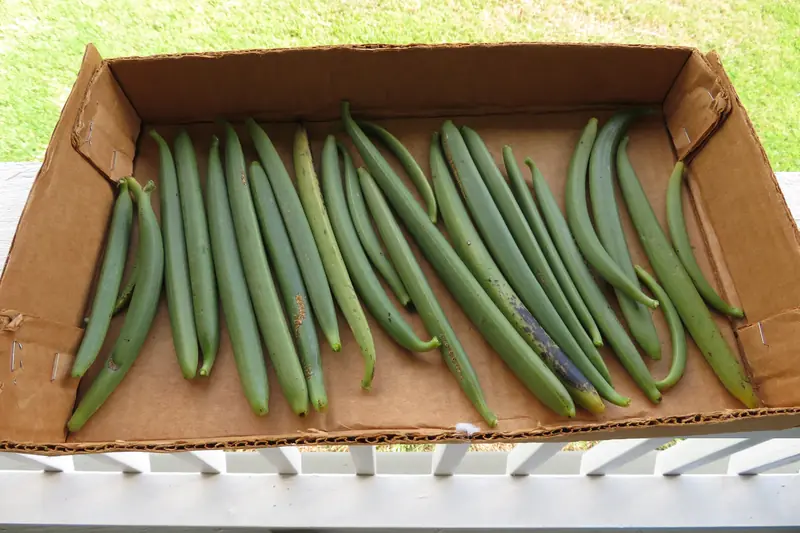
Freshly harvested green vanilla pods lined up in a cardboard box

Class no. 1 · 6 min read

The seven fragrance families: how French perfumers sort scent

French perfumers sort fragrances into seven families, following the Société Française des Parfumeurs: citrus, florals, fougères, chypres, woody, ambers and leathers, each split into sub-families. You'll be able to place a scent on that map, translate it into the Fragrance Wheel used in shops, and spot where a family label stops helping.
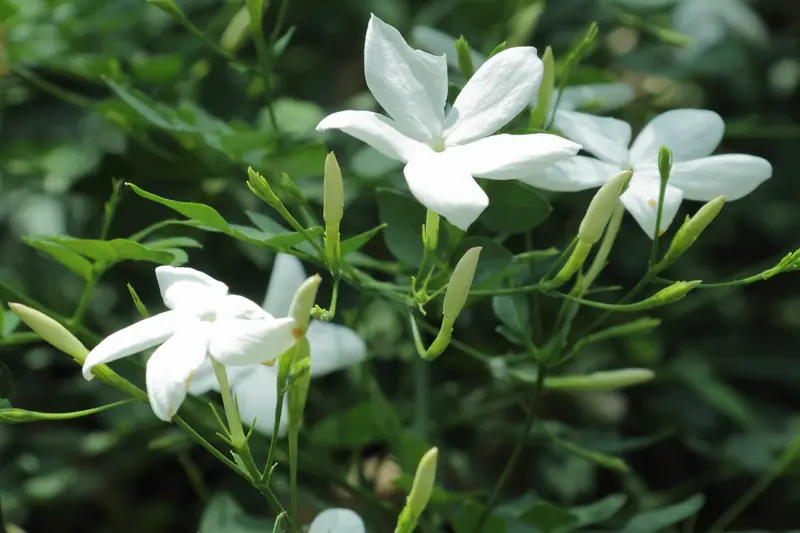
White star-shaped common jasmine flowers on slender stems in a botanical garden

Class no. 2 · 6 min read

The fragrance pyramid: top, heart and base notes explained

The fragrance pyramid sorts a perfume's materials by how fast they evaporate: top notes go first, heart notes carry the theme, base notes stay longest. You'll learn to read one, test it on a paper strip and spot what it leaves out.

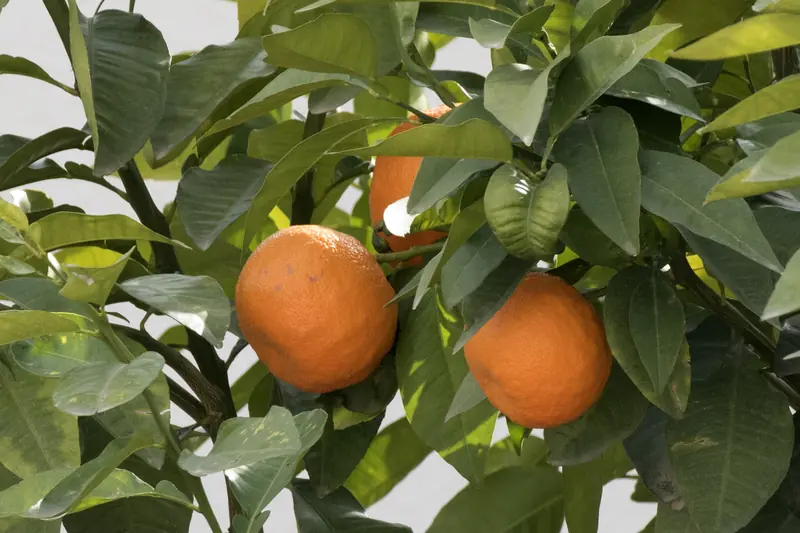
Potted bitter orange tree bearing sour oranges and young green fruit

Class no. 3 · 6 min read

Fragrance concentrations: from extrait to eau de Cologne

A fragrance's concentration is the share of perfume oil dissolved in alcohol: highest in an extrait, lowest in an eau de Cologne, with ranges that vary from one reference to the next. You'll learn what those names change for longevity and sillage, what they leave alone, and how to check it yourself on two blotter strips.

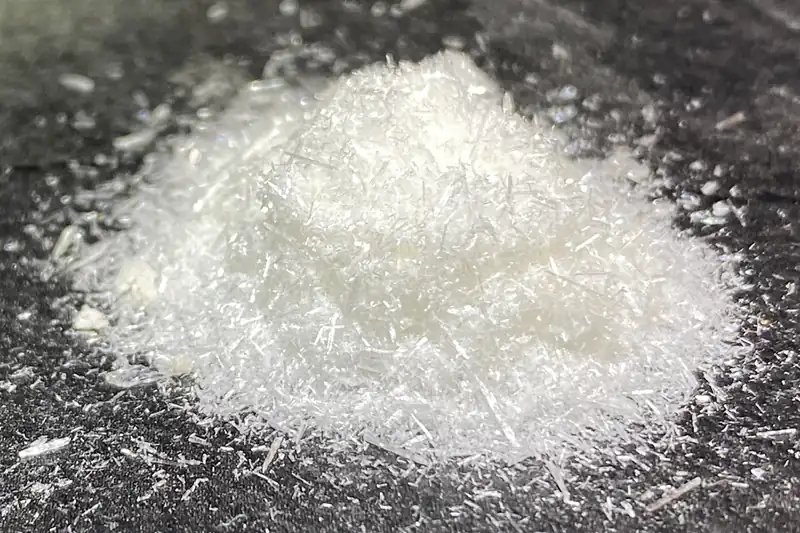
Small heap of white needle-shaped vanillin crystals on a dark surface

Class no. 4 · 6 min read

Natural vs synthetic fragrance: what chemistry gave perfume

Since the 1860s, perfumery has mixed natural materials with synthetic molecules, and neither is better or safer by default. You'll be able to date the molecules that changed perfume, from coumarin to Iso E Super, and read the word natural on a label without reading too much into it.

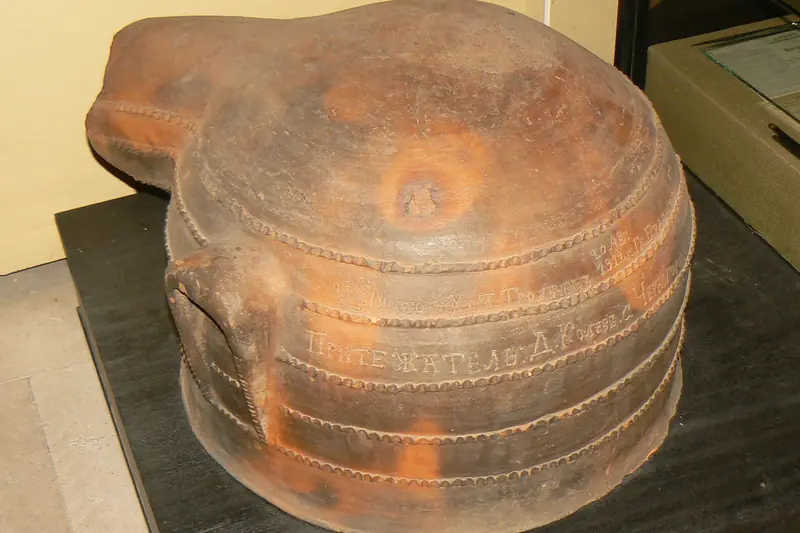
Old copper cauldron for distilling rose oil at the Bratsigovo museum

Class no. 5 · 7 min read

How Fragrance Is Extracted: Distillation, Enfleurage and Absolutes

Perfumers draw scent from plants in five main ways (steam distillation, cold pressing, enfleurage in fat, volatile solvents and supercritical CO2), and each one yields a material with its own name. You'll be able to tell an essential oil from a concrete and an absolute, see why jasmine is kept away from steam, and try three of these methods with an orange in your kitchen.

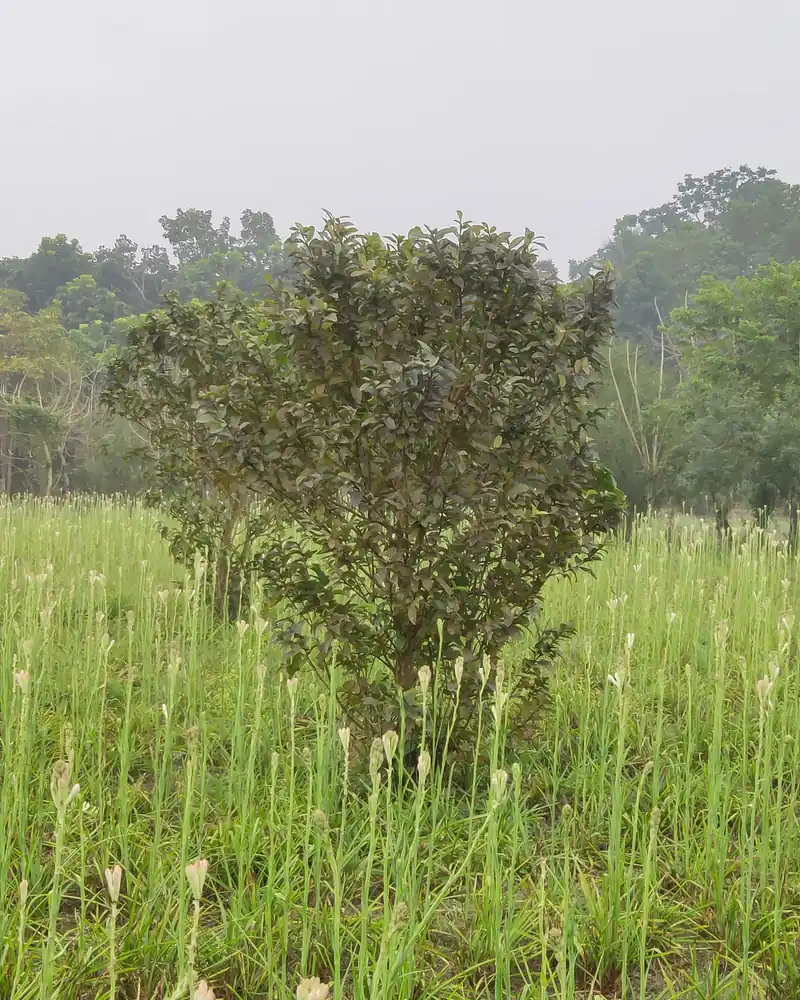
Field of flowering tuberoses in Bangladesh, a lone tree among the white spikes

Class no. 6 · 7 min read

Grasse, the Perfume Capital: Flowers, Skills and UNESCO Status

Grasse is the town in the south of France where growing perfume plants, processing them and composing fragrance have developed together since at least the sixteenth century, skills UNESCO inscribed on its intangible heritage list in 2018. You'll learn where its May rose, jasmine, tuberose and mimosa came from, what its perfume museum holds, and how to smell the town's palette at home.

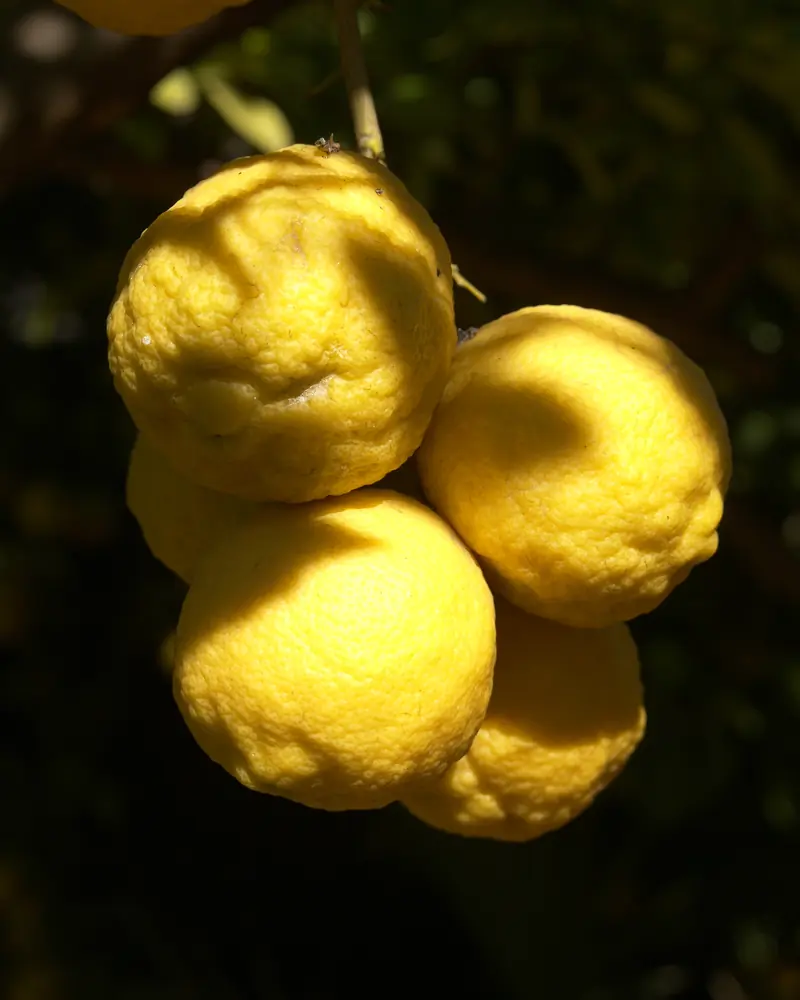
Cluster of ripe, bumpy-skinned lemons lit against dark foliage

Class no. 8 · 8 min read

Training your nose: learning to smell with your kitchen cupboard

Training your nose means smelling often, in pairs, and putting a word to each smell: research shows that recognising odours is a skill that improves with practice. By the end of this class you will know how to use a blotter, run a blind test with your spice rack and look after your nose when it gets tired.

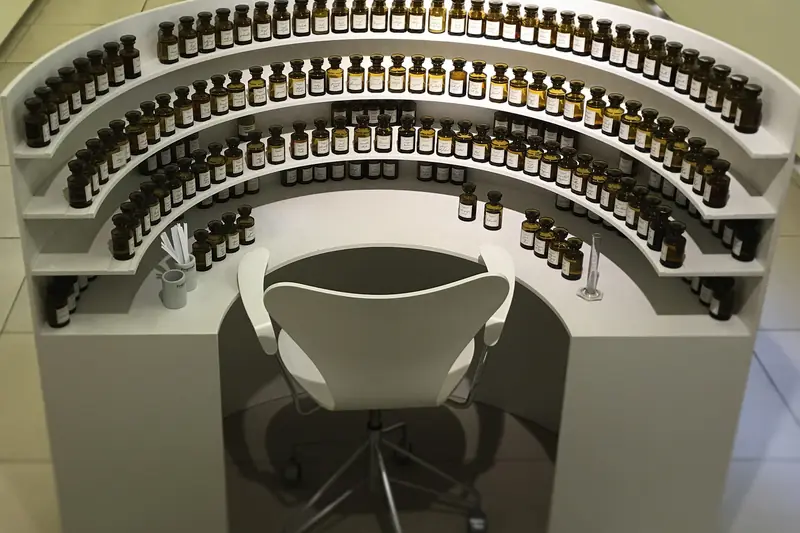
White semicircular perfumer's organ, brown bottles in tiers around a chair

Class no. 9 · 7 min read

Fragrance vocabulary: ten perfume words explained simply

Fragrance vocabulary comes down to ten words you will meet everywhere: note, accord, facet, family, sillage, longevity, concentrate, jus, blotter and flanker. This class defines each one from the French Society of Perfumers' glossary and other reference sources, and shows you how to use them to describe what you smell.

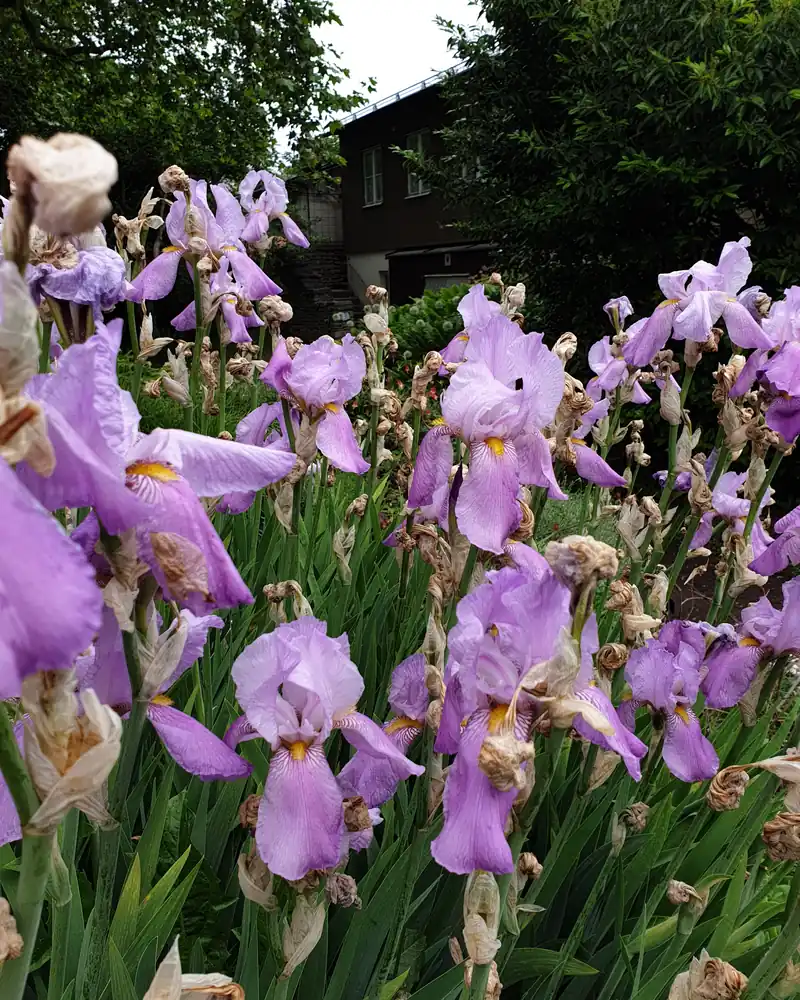
Bed of pale mauve irises in full bloom in a botanical garden in Sweden

Class no. 10 · 7 min read

How to wear fragrance: where, how much, and why you stop smelling it

To wear fragrance well, spray it from a short distance onto clean skin or a fabric that won't mark, don't rub it in, and stop before your own nose asks for more. You'll learn where to put it, how much to use and why you stop noticing your own scent while everyone around you still can.

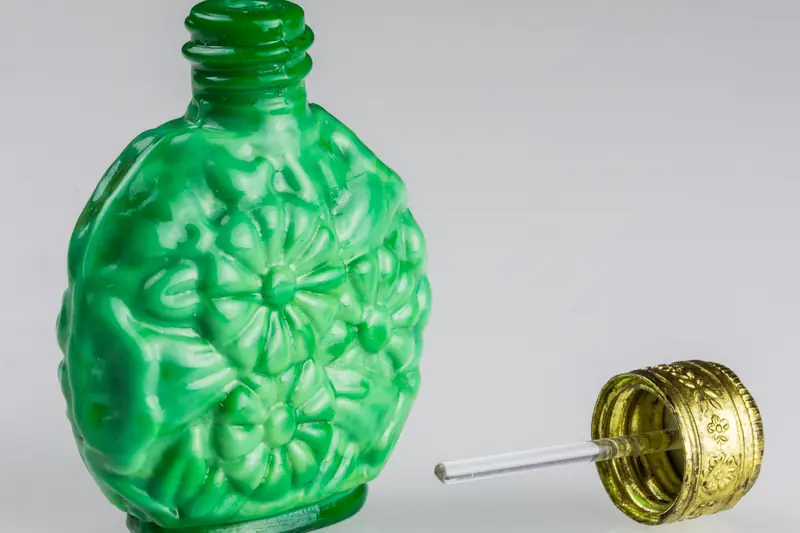
Antique green moulded-glass perfume bottle with flowers and its gilt stopper beside it

Class no. 11 · 7 min read

How to store fragrance: what spoils perfume and where to keep it

Fragrance keeps best in the dark, somewhere cool, at a steady temperature and with as little air as possible, because light, heat and oxygen change it. You will know where to keep your bottles, how to spot one that has turned, and what the open jar symbol on some boxes means.

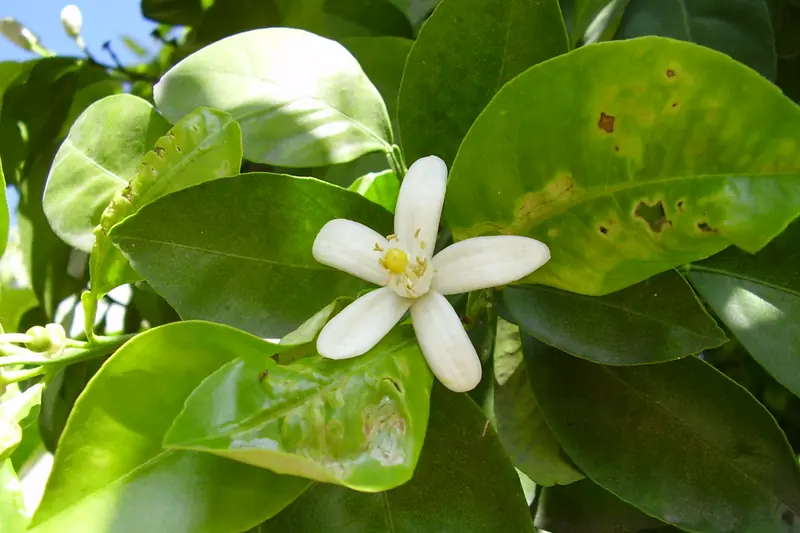
Star-shaped orange blossom and white buds on a branch with broad glossy leaves

Class no. 12 · 6 min read

How to gift fragrance: read their taste, narrow it down, let them try

To give fragrance without guessing, start from what the person already wears, stay in that fragrance family or the one next door, and let them try before anyone commits to a full bottle. You'll learn to read someone's taste without asking, set up a proper skin test and know what you can and can't return.

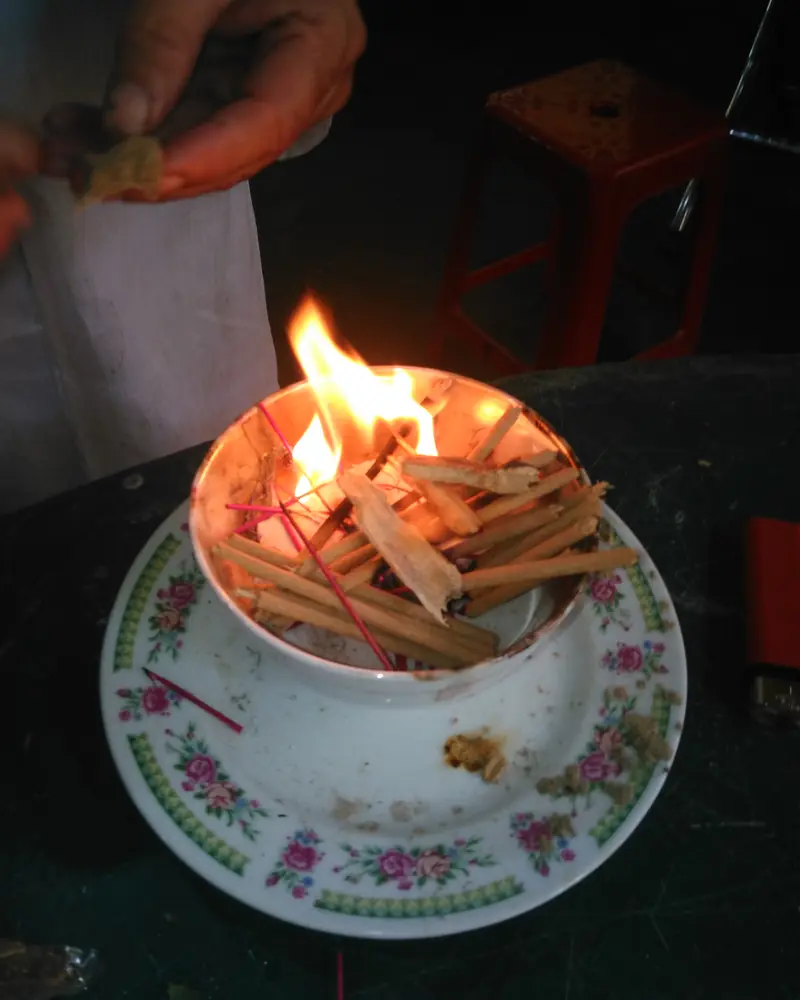
Chips of agarwood burning with bright flames in a flowered porcelain cup

Class no. 13 · 7 min read

Niche perfumery: what the word covers and what it can't promise

Niche perfumery means fragrance houses that sell through selective channels to a narrower audience than the mass market: the word describes a way of selling, not a guarantee of quality. By the end of this Class you'll be able to tell niche, independent and auteur perfumery apart, and smell a fragrance without being carried away by its story.

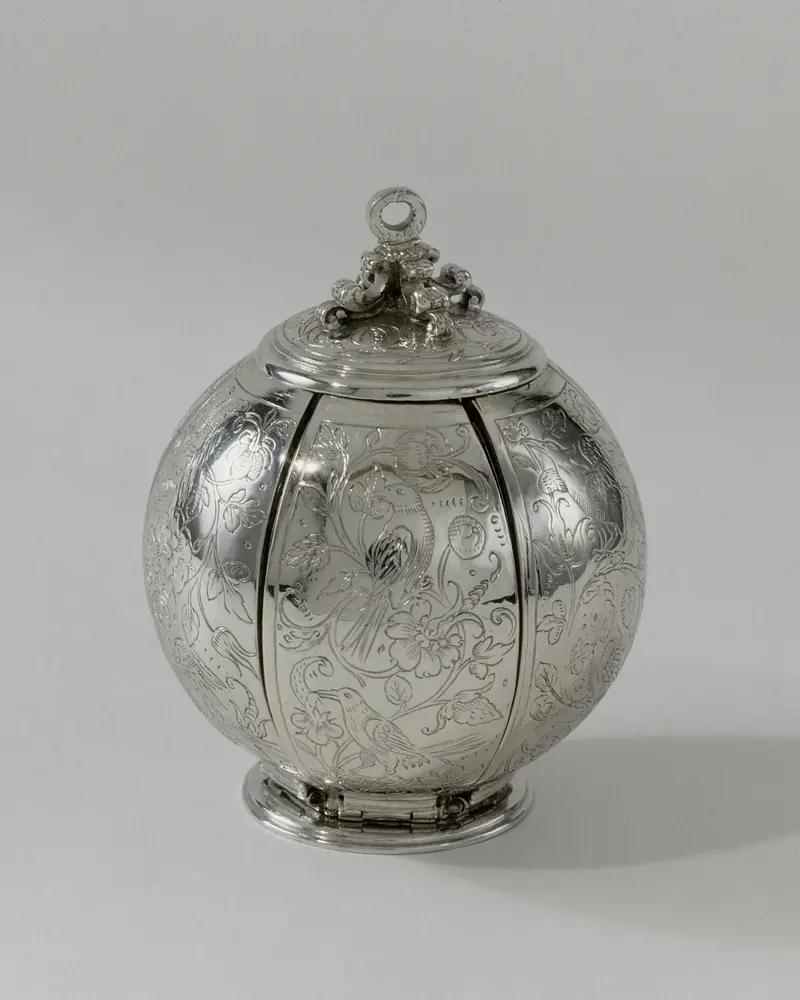
Antique engraved silver pomander shaped like a ribbed ball, on light grey

Class no. 14 · 6 min read

History of perfume: verified milestones from Egypt to the lab

Perfume has changed form three times: oils and smoke for millennia, alcohol from the 14th century, lab-made molecules from the late 19th. Here you will learn to place each milestone, from Egyptian kyphi to the glove-perfumers of Grasse, with the source that dates it.

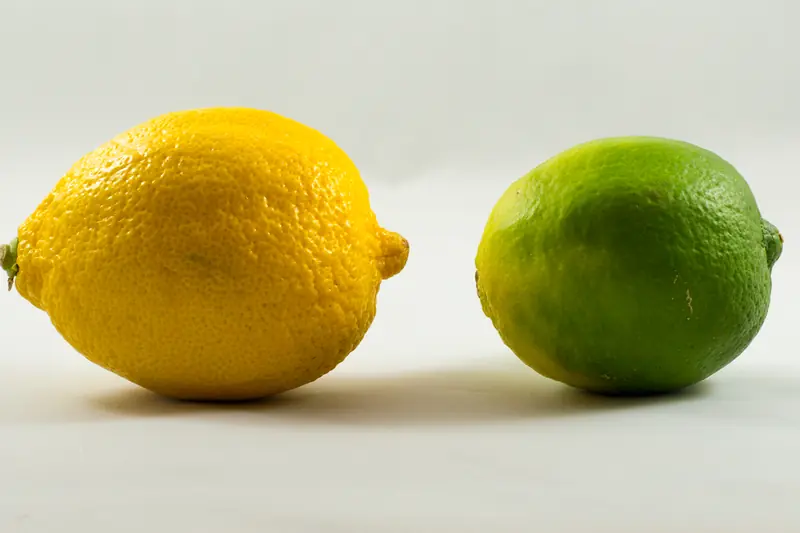
A yellow lemon and a green lime side by side on a bright white background

Class no. 15 · 7 min read

Fragrance allergens and IFRA: what the label really tells you

On a perfume sold in the European Union, the word "parfum" covers the whole formula, and only the allergens listed in the cosmetics regulation are named separately, above a set threshold. You will learn to read those names, date what the 2023 regulation added, and tell the law apart from the IFRA Standards, which never appear on the bottle.

Dark grey musk deer standing among moss-covered trunks in a woodland

Class no. 16 · 6 min read

Animal notes in perfume: musk, ambergris and their substitutes

Musk, ambergris, civet and castoreum came from a musk deer, a sperm whale, a civet and a beaver, and perfumery has replaced nearly all of them with synthetic molecules since the late 19th century. You will learn where each material came from, which molecule took its place, and what "musk" means on a list of notes today.

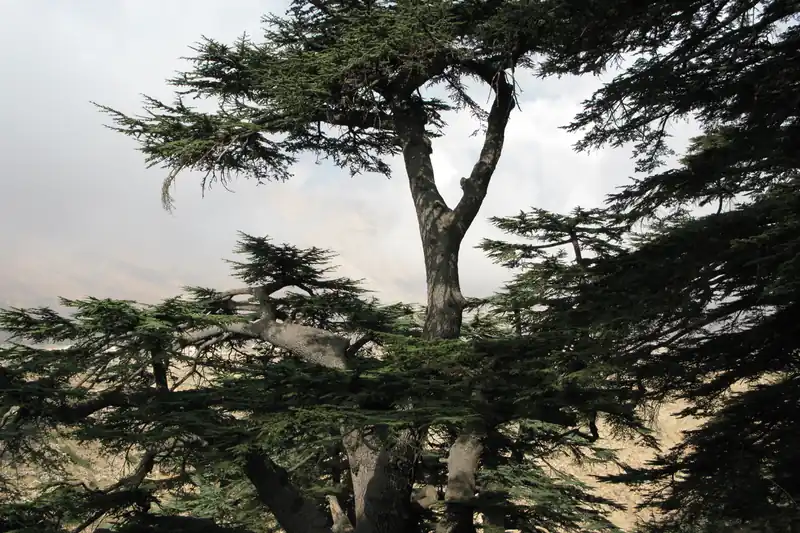
Cedar of Lebanon with spreading branches in the Cedars of God forest, Lebanon

Class no. 17 · 8 min read

Precious woods: where sandalwood, oud and cedarwood really come from

Sandalwood, oud and cedarwood come from very different trees, and several are under pressure: Indian sandalwood is listed as vulnerable by the IUCN, every agarwood-producing species is covered by CITES, and Atlas cedar is endangered. You will learn where each wood comes from, what scarcity changes in a perfume, and what the words sandalwood, oud and cedar on a label can and cannot tell you.

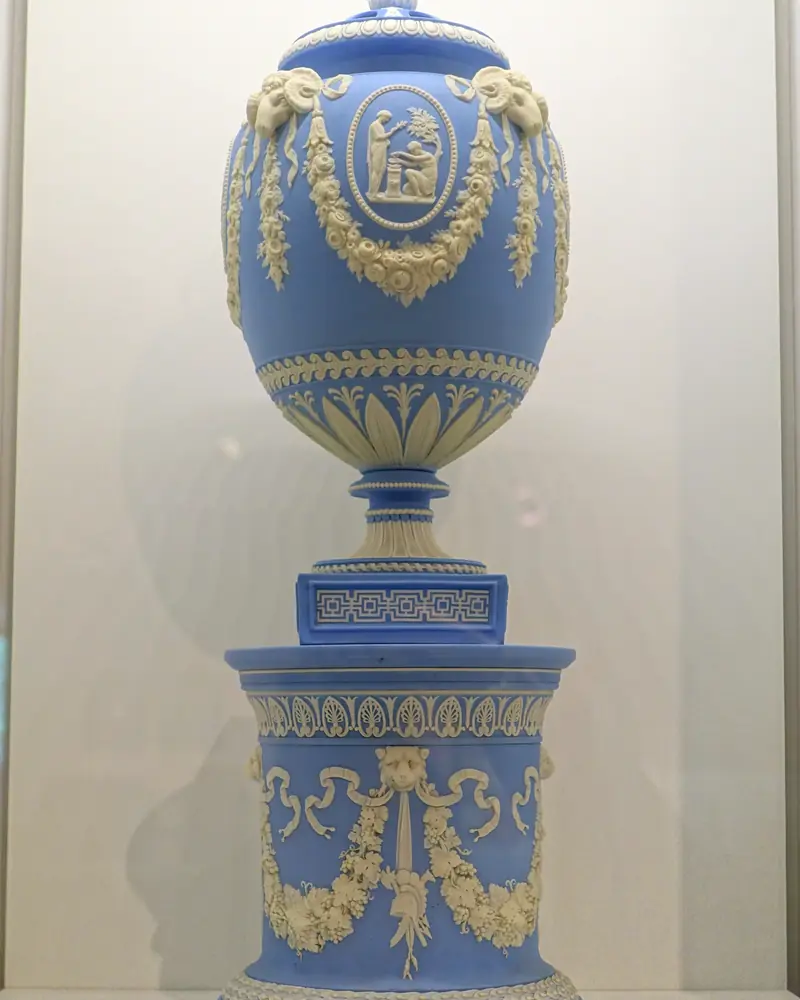
Antique blue and white jasperware potpourri vase on its pedestal in a museum

Class no. 18 · 6 min read

Scenting your home: what candles, incense and diffusers do to the air

Scenting your home without degrading the air comes down to two habits that UK and US health guidance share: cut back on the source, and ventilate while and after you use it. You will learn what a candle, an incense stick, a spray or a diffuser releases, and how to enjoy a scent at home without burning anything.

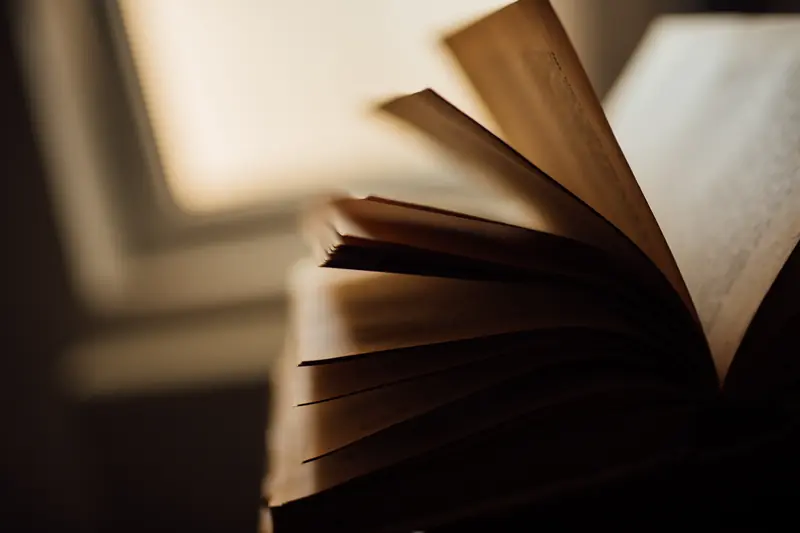
Yellowed pages of an old book fanned open in soft, warm light

Class no. 19 · 8 min read

Smell and memory: why a scent brings a memory flooding back

According to research, a smell brings back a memory because the olfactory bulb connects directly to the brain areas that handle emotion and memory, and because childhood smells are laid down through happy moments repeated many times. By the end you'll be able to tell the solid findings from the folklore, and to test the effect on yourself with things from your kitchen.

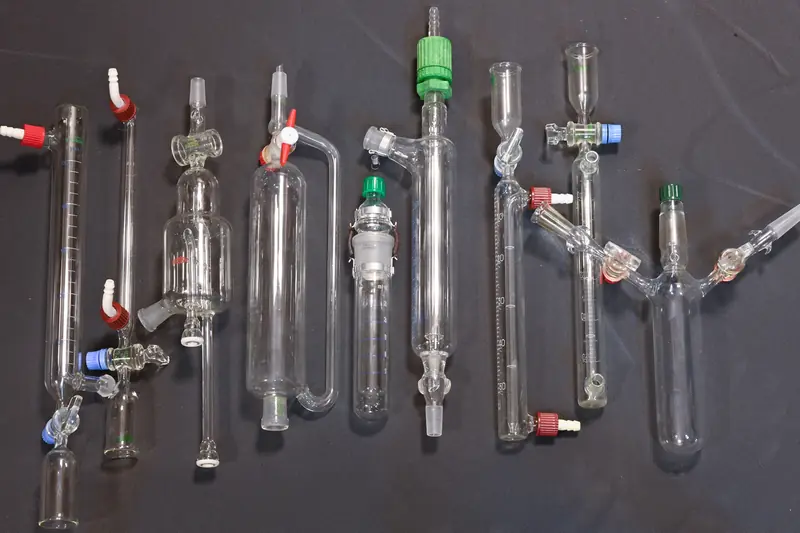
Pieces of laboratory glassware lined up on a dark background, with green and red stopcocks

Class no. 20 · 7 min read

Becoming a perfumer: training, related jobs and what 'nose' means

You become a perfumer through specialist training, at ISIPCA in Versailles, the Grasse Institute of Perfumery or after a science degree, then years of smelling raw materials every day. You'll come away knowing who does what around a fragrance, what the schools actually test for, and what the word 'nose' really covers.

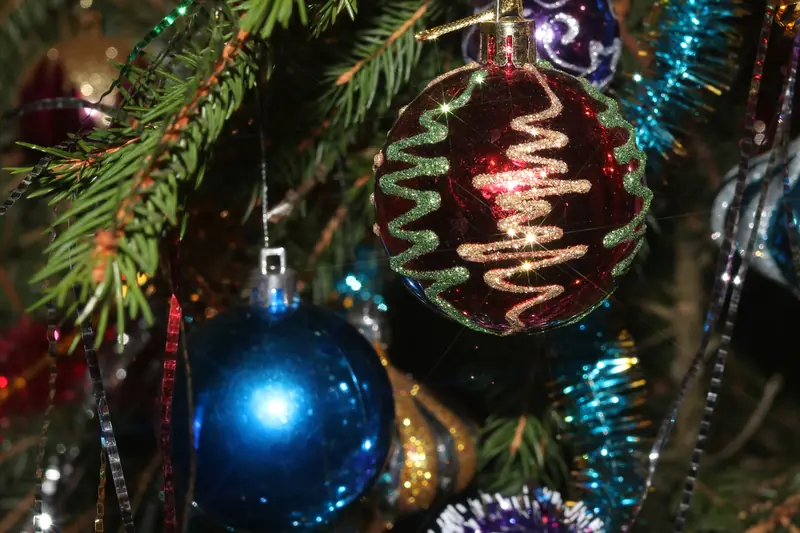
Blue and red Christmas baubles and sparkling tinsel in fir branches

Class no. 21 · 6 min read

The scents of Christmas: spice, orange, pine and why they move us

The scents of Christmas come from a handful of materials, cinnamon, cloves, orange, pine, candle wax and honey, that many people have met every December since childhood; and the memories a smell brings back tend to be early and emotional. By the end of this Class you'll be able to pick them out one by one, say what carries each smell, and explain why they bring memories back.

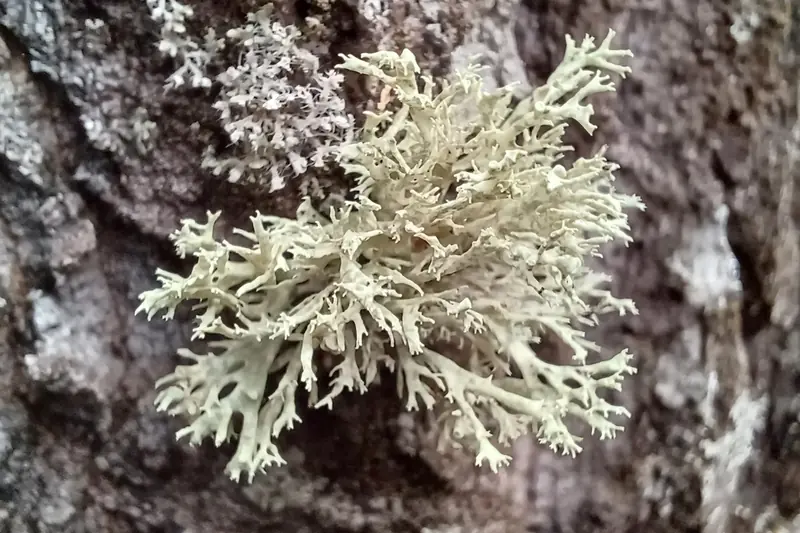
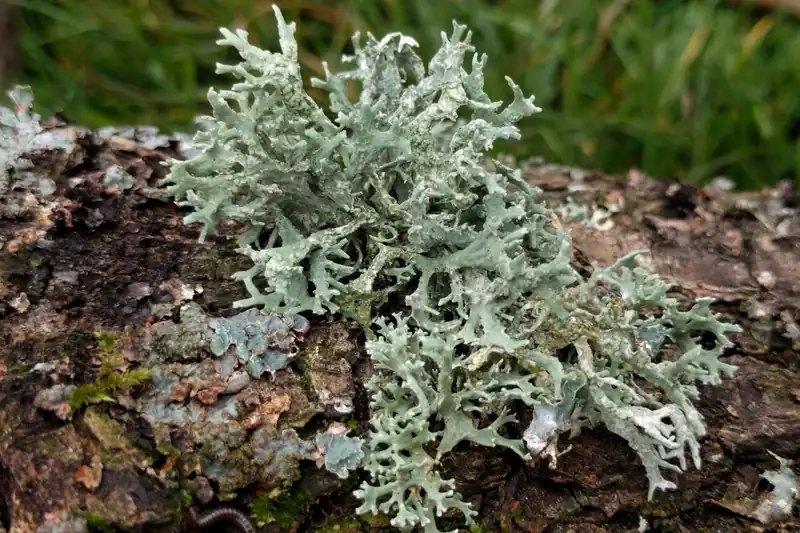
Branching grey-green oakmoss lichen covering a piece of bark lying on grass

Class no. 22 · 7 min read

Reading a perfume label: ingredients, allergens, batch codes, symbols

A perfume label reads in four parts: the ingredient list with "parfum" and the named allergens, the batch code, the symbols about shelf life, and the concentration, which the EU cosmetics regulation puts no number on. You will know what each detail tells you, what it is allowed to leave out, and how labels differ in the EU, the US and Canada.