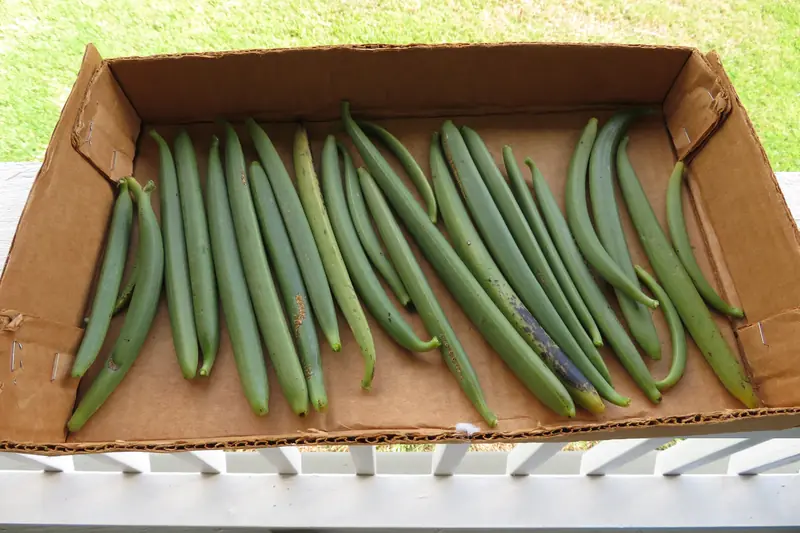
The seven fragrance families: how French perfumers sort scent
French perfumers sort fragrances into seven families, following the Société Française des Parfumeurs: citrus, florals, fougères, chypres, woody, ambers and leathers, each split into sub-families. You'll be able to place a scent on that map, translate it into the Fragrance Wheel used in shops, and spot where a family label stops helping.
By the club team ·
French perfumery sorts fragrances into seven families: citrus (hespéridés in French), florals, fougères, chypres, woody, ambers and leathers. The grid comes from the Société Française des Parfumeurs (SFP), the French perfumers' society founded in 1942, which publishes an official classification of perfumes. Each family carries a letter, from A for citrus to G for leather, and splits into sub-families, 47 in all.
In shops you may well meet another map, Michael Edwards's Fragrance Wheel, with four broad families. Both describe the same thing: what dominates in a fragrance, its main notes and accords. Neither tells you how good a perfume is, how long it lasts or who ought to wear it.
What are the seven fragrance families?
The SFP's classification rests on one principle, set out at the top of its page on fragrance families (in French): every perfume, feminine, masculine or unisex, belongs to one of seven fundamental groups, each divided into sub-groups. The table gives each family's letter, its number of sub-families, the materials the SFP names in its definition, and its closest place on the 2010 Fragrance Wheel.
| Family (SFP letter) | Sub-families | Materials named by the SFP | Closest place on the Fragrance Wheel |
|---|---|---|---|
| Citrus (A) | 7 | bergamot, lemon, orange, mandarin, orange-tree materials | Fresh: Citrus |
| Florals (B) | 9 | jasmine, rose, lily of the valley, violet, tuberose, narcissus | Floral |
| Fougères (C) | 6 | lavender and woody notes, oakmoss, coumarin, bergamot, geranium | Fresh: Aromatic (lavender) |
| Chypres (D) | 7 | oakmoss, labdanum, patchouli, bergamot | Woody: Mossy Woods, or Floral Amber |
| Woody (E) | 9 | sandalwood, patchouli, cedar, vetiver | Woody |
| Ambers (F) | 6 | soft, powdery, vanilla-like, labdanum and animalic notes | Amber |
| Leathers (G) | 3 | smoke, burnt wood, birch, tobacco | Woody: Dry Woods (leather) |
Laid side by side, the seven definitions show materials travelling between families. Bergamot appears in citrus, fougères and chypres; oakmoss anchors both fougères and chypres; patchouli moves from chypres to woods. A family is recognised by an accord, the way materials are put together, more than by any single ingredient.
Why are the chypre and fougère families named after perfumes?
Chypre and fougère take their names from perfumes, not plants. The SFP traces chypre to the perfume François Coty launched in 1917, whose success made it the head of a whole family. Fougère comes from Houbigant's Fougère Royale: Wikipedia's article on the fougère family credits it to perfumer Paul Parquet in 1882 and describes a structure that opens on lavender, then lets oakmoss and coumarin, a smell close to new-mown hay, come through.
Fougère is French for fern, yet the SFP calls the name a fanciful one that makes no claim to smell of ferns. A perfumer's fougère is an accord built on lavender, coumarin and oakmoss, not a walk through the bracken. Ambers have a naming story too: the SFP files them as “ambrée-orientale”, while the Fragrance Wheel now calls Amber the family it used to label Oriental. The club's pages on the chypre family and the fougère family go through their sub-families one by one.
How do you read a fragrance sub-family name?
A sub-family name reads like an address: the first word is the family, the next ones the twist added to it. In the SFP's list, a “chypre cuir” (leather chypre) adds leather, smoke, burnt wood and animalic notes to the chypre structure; a “boisé ambré” (amber woody) sets the woods on a base of vanilla, coumarin, labdanum, patchouli and sandalwood; a “fougère ambrée douce” sweetens its amber base with vanilla notes.
Some words turn up almost everywhere. Fruity appears in six sub-families, from floral fruity to fruity chypre and floral fruity amber; aromatic in four, across citrus, fougère, chypre and woody; musky in three; marine in two, the floral marine and the marine woody. In the French system these facets never become families of their own: they colour the seven. The grid also moves with time, and the SFP dates the new fruity notes behind its floral fruity sub-family to 1995.
How does the French classification compare with the Fragrance Wheel?
Classifications have a history, and much of it is drawn in circles. According to Wikipedia's article on the fragrance wheel, Austrian perfumer Paul Jellinek drew the first one, his Odor Effects Diagram, in 1949; U. Harder followed at Haarmann & Reimer in 1979; and Michael Edwards built his Fragrance Wheel to help retailers and consumers. Its 2010 version keeps four main families, Floral, Amber, Woody and Fresh, with Fruity listed alongside.
The wheel and the French grid cut the same landscape differently. Citrus and lavender both land in Fresh, leather becomes a shade of Dry Woods, and chypres split in two. Wikipedia's article on perfume gives the example of Guerlain's Mitsouko, filed under Mossy Woods, while Hermès Rouge, a more floral chypre, sits under Floral Amber.
Consumer guides make their own cuts again. Mademoiselle Bulle's scent guide also keeps seven families, but a different seven: florals, orientals, woody, fresh, fruity, chypre and fougère, so citrus joins aquatic and aromatic notes under fresh, fruity becomes a family and leather has none of its own. Holding the SFP grid up against a complete guide to choosing a perfume through its families, its pyramid and a proper skin test is a good way to learn to translate from one vocabulary to the other.
Where do fragrance families fall short?
The grouping of perfumes can never be completely objective or definitive.
A family names a dominant impression, but a fragrance moves on your skin. It can open on citrus and dry down to woods, which is how the SFP describes many woody scents, whose opening is usually lavender and citrus. Top, heart and base notes, covered in the Class on the fragrance pyramid, describe that movement better than any label, and the same Wikipedia article calls the family a starting point that is not enough on its own to characterise a scent.
Names also drift with fashion. Oriental became Amber on the wheel, and aquatic scents, which Wikipedia traces back to Davidoff's Cool Water in 1988, have a Water corner of their own in Fresh, while the SFP folds marine notes into two sub-families. No family says anything about strength, longevity or sillage either: that is the subject of the Class on fragrance concentrations.
Exercise: sort your kitchen into the seven fragrance families
This takes about twenty minutes at the kitchen table, with everyday things and a blotter strip (or a strip of blotting paper). Nothing goes on your skin.
- Set out seven saucers and label them citrus, floral, fougère, chypre, woody, amber and leather.
- Fill what you can: lemon or orange zest for citrus; a garden rose or a splash of orange blossom water for floral; a sprig of dried lavender for fougère; pencil shavings for woody; a vanilla pod or a cinnamon stick for amber; an old leather belt or wallet for leather.
- The chypre saucer will probably stay empty: oakmoss and labdanum are not kitchen staples, and chypre is a perfumer's accord rather than a single smell.
- Smell each saucer with your eyes closed and write down one word for each: bright, sweet, dry, powdery, smoky.
- Spray your usual fragrance on the strip. Smell it straight away, then after half an hour, and each time pick the saucer it is closest to.
- If your answer changed between the two, you have just found the limit of a single family label: a fragrance moves across the map as it dries.
Bring your saucers to the Learning to Smell circle and compare your sorting with other members'.
Bergamot Rose Lavender Oakmoss Vetiver Vanilla Leather
Further reading
- Les Familles Olfactives, Société Française des Parfumeurs (text in French) sfp-parfumeurs.com
- Présentation, Société Française des Parfumeurs (text in French) sfp-parfumeurs.com
- Fougère, Wikipedia en.wikipedia.org
- Fragrance wheel, Wikipedia en.wikipedia.org
- Perfume, Wikipedia en.wikipedia.org
What members say
Did the seven saucers, the chypre one stayed empty, as promised.
- citrus: grapefruit peel, basically the easiest one
- woody: pencil shavings from my desk
- leather: an old watch strap
My own fragrance went from the citrus saucer to the woody one in half an hour.
Probably a silly question, but is amber the same thing as ambergris? I always assumed it was.
Not silly at all. Amber is a perfumer's accord, warm and soft, while ambergris is a material that comes from the sperm whale, with its own page: what ambergris is and where it comes from. The amber family page explains the difference properly. Over to you.
Right then. Funny to see leather end up as a corner of Dry Woods on the wheel. On the factory floor you would have known a good hide from across the room, and it never smelled dry to me, more like warm bread and a bit of smoke.
Cheers, Ambrose
I filled the chypre saucer anyway, with a bit of moss off the garden wall and a cup of bergamot tea beside it, and it wasn't a chypre, of course it wasn't, but you could get the shape of one and that was grand.
Families are genres, not the song.
More Classes
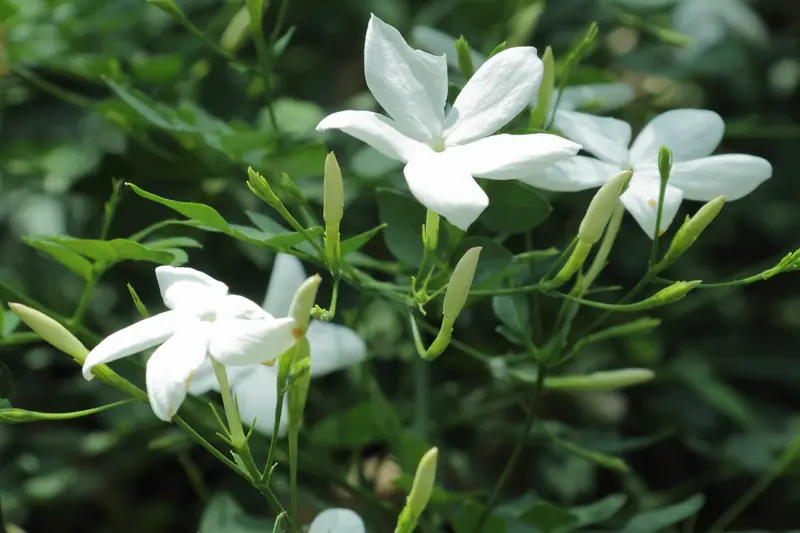
Class no. 2 · 6 min read
The fragrance pyramid: top, heart and base notes explained
The fragrance pyramid sorts a perfume's materials by how fast they evaporate: top notes go first, heart notes carry the theme, base notes stay longest. You'll learn to read one, test it on a paper strip and spot what it leaves out.
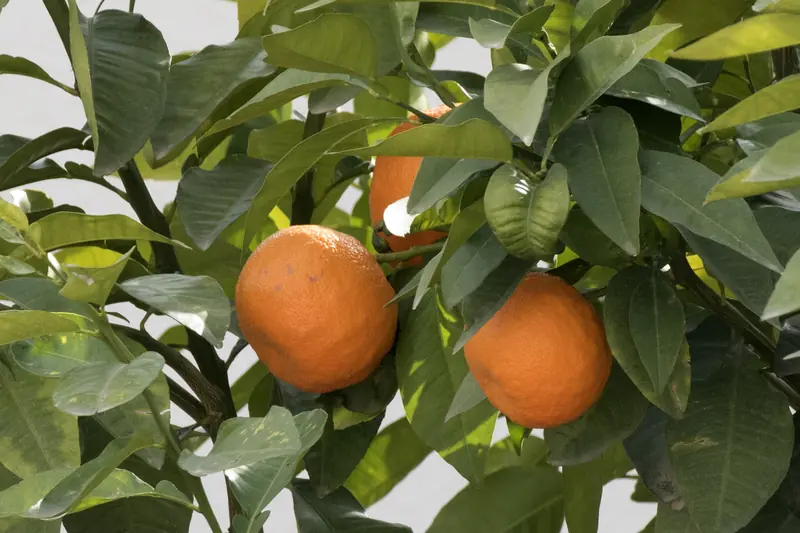
Class no. 3 · 6 min read
Fragrance concentrations: from extrait to eau de Cologne
A fragrance's concentration is the share of perfume oil dissolved in alcohol: highest in an extrait, lowest in an eau de Cologne, with ranges that vary from one reference to the next. You'll learn what those names change for longevity and sillage, what they leave alone, and how to check it yourself on two blotter strips.
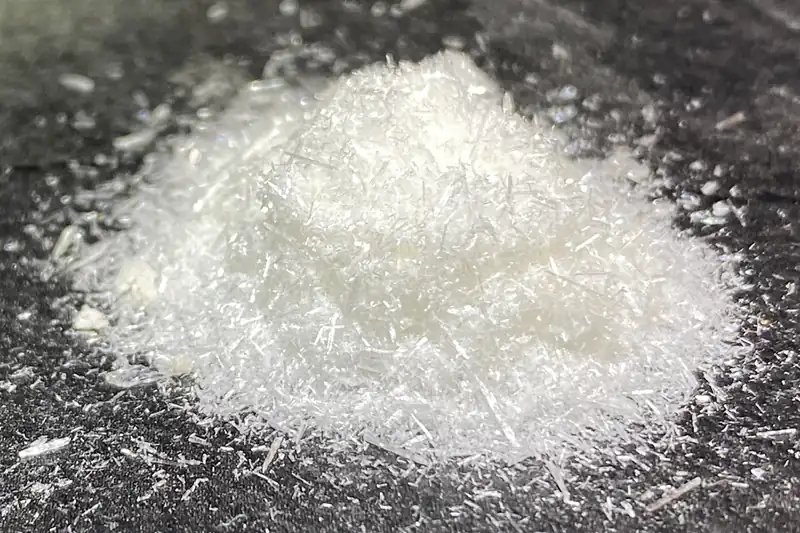
Class no. 4 · 6 min read
Natural vs synthetic fragrance: what chemistry gave perfume
Since the 1860s, perfumery has mixed natural materials with synthetic molecules, and neither is better or safer by default. You'll be able to date the molecules that changed perfume, from coumarin to Iso E Super, and read the word natural on a label without reading too much into it.