Lavender: the Provençal flower that founded the fougère
Lavender oil is distilled from the flower spikes of true lavender (Lavandula angustifolia), a Mediterranean shrub, and smells fresh, camphorous and woody. Paired with coumarin and oakmoss, it forms the backbone of the fougère family.
Where does lavender come from?
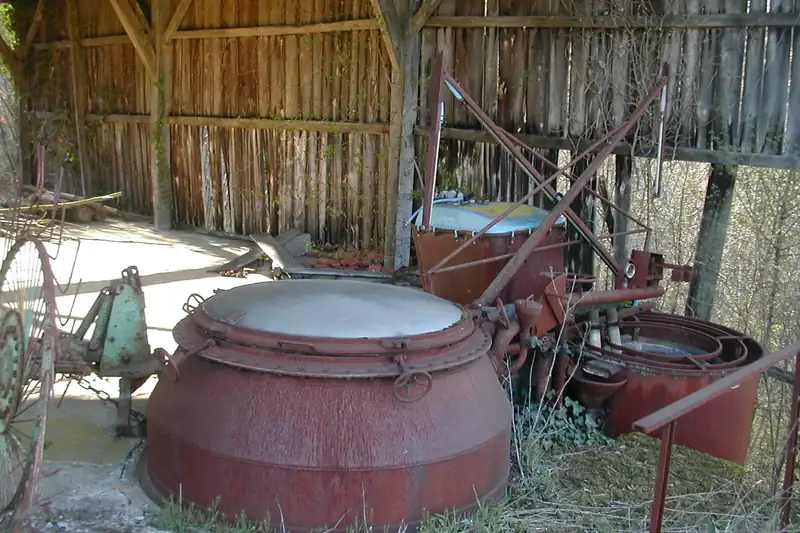
True lavender, Lavandula angustifolia, is native to the Mediterranean basin and does best where winters are wet and summers dry. The overview of lavender oil explains that the oil is produced by steam distillation of the flower spikes, usually harvested between late June and August, and that Bulgaria, France and China lead production. In Haute-Provence, a protected designation of origin has covered lavender essential oil since 1981, for plants grown at 800 m or higher.
What does lavender smell like?
Lavender smells fresh, camphorous and woody. Its oil typically contains more than 100 compounds, dominated by linalool and linalyl acetate. Lavandin, a natural hybrid of true lavender and spike lavender grown since the 1930s, yields more oil, but a more camphorous one, widely used in functional perfumery. Lavender oil is also among the most commonly adulterated essential oils.
What does lavender do in a fragrance?
Lavender is the signature of the fougère family. The history of the fougère describes sweet lavender top notes giving way to oakmoss and coumarin, with bergamot often added to sharpen the lavender. The genre began with Houbigant's Fougère Royale in 1882, and its barbershop notes of woods and lavender quickly won over male wearers. The Class on the seven fragrance families places the fougère among the others.
What should you know about lavender?
Since Commission Regulation (EU) 2023/1545, true lavender oil, lavandin oil and linalyl acetate are fragrance allergens that must be named on the label above 0.001% in leave-on products and 0.01% in rinse-off products; linalool was already on the list. In France, lavender growing practices in the Alpes-de-Haute-Provence were added to the national inventory of intangible cultural heritage in 2018.
Often paired with
Further reading
- Lavender oil en.wikipedia.org
- Lavandula angustifolia en.wikipedia.org
- Fougère en.wikipedia.org
- Lavandula angustifolia fr.wikipedia.org
- Lavande fr.wikipedia.org
- Glossaire de la parfumerie fr.wikipedia.org
- Commission Regulation (EU) 2023/1545 of 26 July 2023 amending Regulation (EC) No 1223/2009 as regards labelling of fragrance allergens in cosmetic products eur-lex.europa.eu
- Regulation (EC) No 1223/2009 of the European Parliament and of the Council of 30 November 2009 on cosmetic products eur-lex.europa.eu
Lavender in the feed
beatriz.londonin Wearing Fragrance · London ·
TipScenting my hair through the hairbrush
Small tip from my grandmother in Porto: one spray of lemon and lavender on the hairbrush, not on the hair, then brush. The Class on wearing fragrance on skin, clothes and hair says the alcohol can dry your hair if you spray it every day, so the brush is…
bev.bostonin Welcome to the Club · Boston ·
IntroductionMy late husband's aftershave started all this
I taught fourth grade in Boston for years and I'm retired now. I'm here because of my late husband's aftershave: lavender, something like hay, a little lemon. I'd love to understand what was in it.
harriet.hay Hello and welcome, bev.boston. What a lovely reason to be here. That hay smell is very often coumarin, the sweet hay note , and lavender with hay…
harriet.hayin Wearing Fragrance · Bristol ·
ReadingThe wearing Class: which habit did you drop?
Read the club's Class on how to wear fragrance, from where to spray to why you stop smelling it with a cup of tea at the garden centre, between the pumpkins and the bulb displays. The bit that caught me was topping up: I'd been adding a spray of lavender at…
ambrose_leather Right then. Dropped: the second spray on the cuffs. Keeping: the collar, whatever anyone says. I should have read it sooner. Cheers, Ambrose
mags.lavenderin Home Fragrance & Candles · Norwich ·
Tip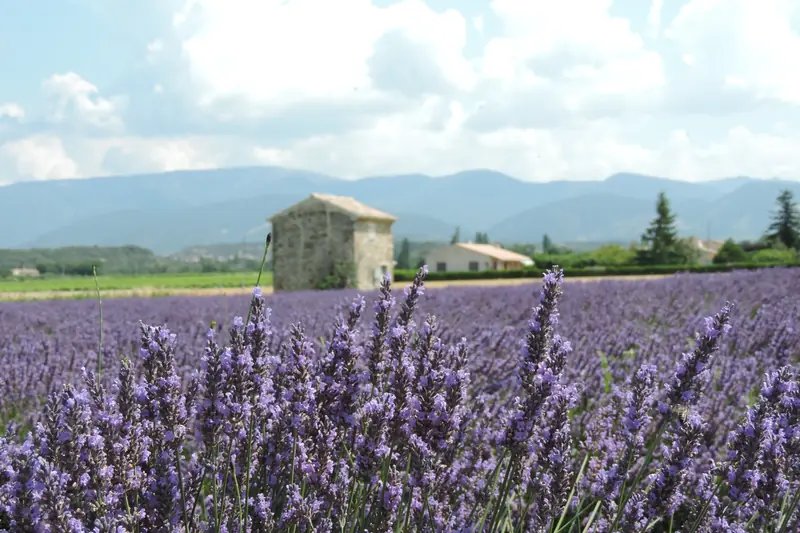
Lavender bags for the airing cupboard, from the garden
Morning all, the lavender I cut in the summer has been hanging upside down in the shed, and this weekend I finally stripped the stalks and filled the little cotton bags for the airing cupboard. Rub the heads between your palms over a bowl and the buds drop…
beatriz.london My grandmother in Porto put lavender and a strip of lemon peel in her drawers. The lemon went first, the lavender stayed.
bev.bostonin History, Bottles & Houses · Boston ·
Memory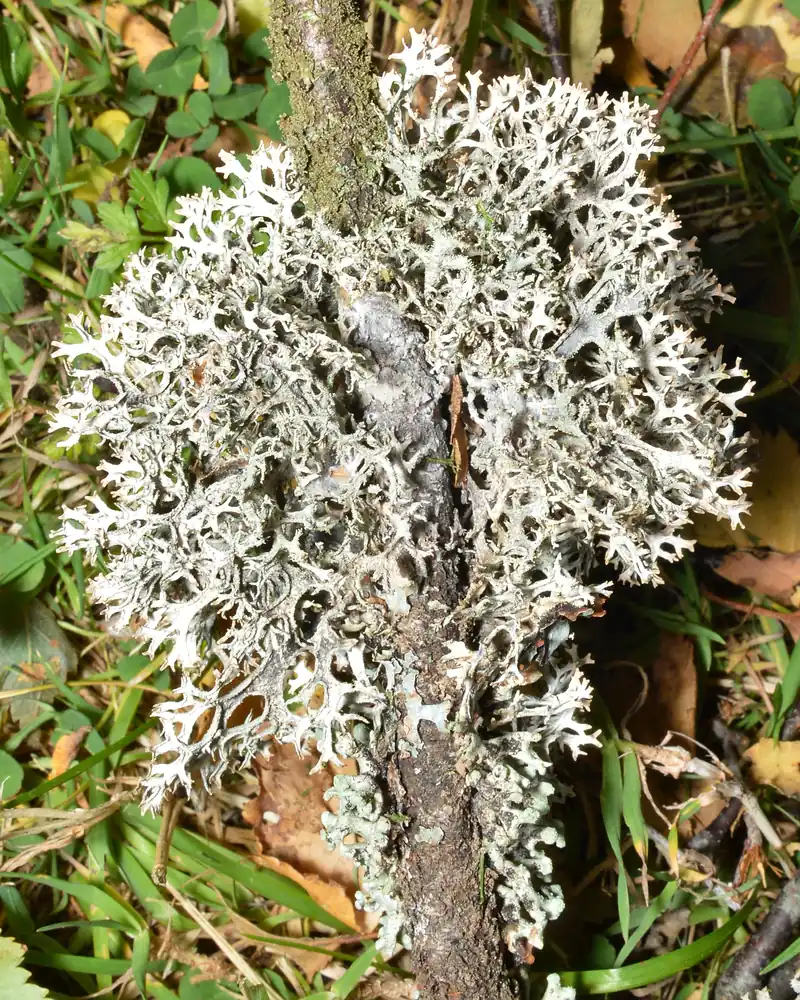
What was in my late husband's aftershave?
My late husband wore the same aftershave for forty years, a green bottle with lavender on top and something sweet like hay underneath. I'm trying to work out what that sweet part was.
dougie_newcastle Lavender and hay sounds like a fougère to me. Half the shipyard smelled like that on a Saturday night.
mags.lavenderin Home Fragrance & Candles · Norwich ·
Scent diary
Pouring candles in jam jars with my granddaughter
Morning all, my granddaughter came for the weekend and we had a go at pouring candles into old jam jars. Melted plain wax smells of next to nothing, a bit like warm crayons, then the lavender candle scent went in and the whole kitchen changed in a second.…
juniper_jules Wax is a lot like glaze, it smells of nothing until the heat wakes it up. I'm rooting for the leaning one.
In the Classes
Class no. 1 · 6 min read
The seven fragrance families: how French perfumers sort scent
French perfumers sort fragrances into seven families, following the Société Française des Parfumeurs: citrus, florals, fougères, chypres, woody, ambers and leathers, each split into sub-families. You'll be able to place a scent on that map, translate it into the Fragrance Wheel used in shops, and spot where a family label stops helping.
Class no. 22 · 7 min read
Reading a perfume label: ingredients, allergens, batch codes, symbols
A perfume label reads in four parts: the ingredient list with "parfum" and the named allergens, the batch code, the symbols about shelf life, and the concentration, which the EU cosmetics regulation puts no number on. You will know what each detail tells you, what it is allowed to leave out, and how labels differ in the EU, the US and Canada.