Coumarin: the new-mown hay molecule behind the fougère
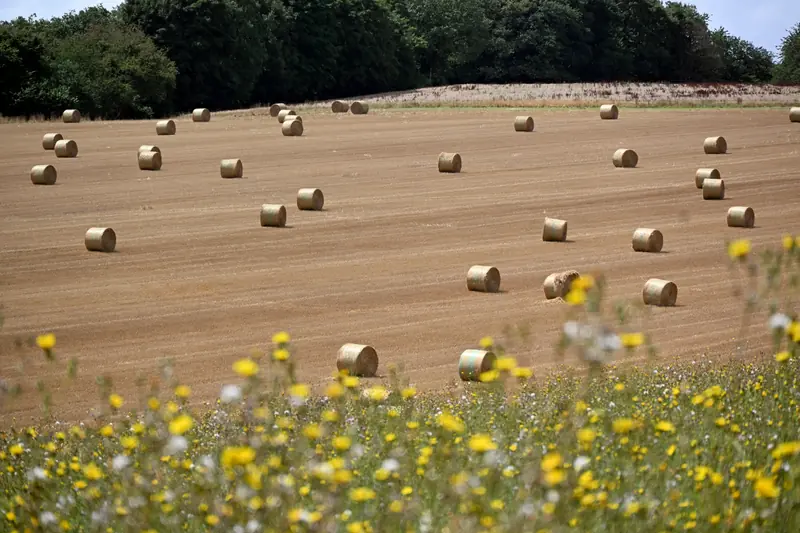
Coumarin is a molecule found in tonka beans and sweet woodruff, with a sweet smell of new-mown hay close to vanilla. First synthesised in 1868, it shaped the fougère family through Houbigant's Fougère Royale in 1882.
Where does coumarin come from?
Coumarin takes its name from coumarou, the French word for the tonka bean, itself from the Old Tupi kumarú. The chemistry entry on coumarin explains that A. Vogel of Munich first isolated it from tonka beans in 1820, at first mistaking it for benzoic acid, and that the English chemist William Henry Perkin first synthesised it in 1868. Plants such as sweet woodruff, sweet grass and vanilla grass also contain it, possibly as a defence against grazing animals.
What does coumarin smell like?
Coumarin has a sweet odour resembling vanilla and the smell of new-mown hay, but a bitter taste. In a composition, it pairs well with vanillin, whose edible side it tones down. To meet it in the raw, smell a tonka bean: the ripe seed gives off notes of vanilla, hay and almond.
What does coumarin do in a fragrance?
Coumarin is a pillar of the fougère family. The history of the fougère credits Paul Parquet's Fougère Royale for Houbigant, in 1882, with founding the genre on an accord of oakmoss, coumarin and lavender, and calls it one of the first modern perfumes for its use of synthetic aromachemicals. Aimé Guerlain's Jicky, released in 1889, brought synthetic vanillin into that accord. Coumarin also appears in gourmand fragrances, next to tonka and vanilla.
What should you know about coumarin?
Coumarin is one of the fragrance allergens that the EU Cosmetic Products Regulation requires on the label above 0.001% in leave-on products. Its use in perfumery is restricted because some people may become sensitised, although the evidence that it causes allergic reactions in humans is disputed. As a food additive, coumarin was banned in the United States in 1954. The Class on the history of perfume tells how molecules like it changed fragrance.
Often paired with
Further reading
- Coumarin en.wikipedia.org
- Fougère en.wikipedia.org
- Perfume en.wikipedia.org
- Coumarine fr.wikipedia.org
- Regulation (EC) No 1223/2009 of the European Parliament and of the Council of 30 November 2009 on cosmetic products eur-lex.europa.eu
Coumarin in the feed
bev.bostonin Welcome to the Club · Boston ·
IntroductionMy late husband's aftershave started all this
I taught fourth grade in Boston for years and I'm retired now. I'm here because of my late husband's aftershave: lavender, something like hay, a little lemon. I'd love to understand what was in it.
harriet.hay Hello and welcome, bev.boston. What a lovely reason to be here. That hay smell is very often coumarin, the sweet hay note , and lavender with hay…
bev.bostonin History, Bottles & Houses · Boston ·
Memory
What was in my late husband's aftershave?
My late husband wore the same aftershave for forty years, a green bottle with lavender on top and something sweet like hay underneath. I'm trying to work out what that sweet part was.
dougie_newcastle Lavender and hay sounds like a fougère to me. Half the shipyard smelled like that on a Saturday night.
harriet.hayin Everyday Smells · Bristol ·
Question
Last mow of the year: cut grass or hay?
Last mow of the year at the garden centre this morning, and I had a friendly argument with a colleague about the smell. To me fresh-cut grass is sharp and green, like a split stalk, while the clippings heaped by the compost bins smell sweeter by the…
dougie_newcastle It's coumarin, isn't it? That's the hay smell in an old fougère.
dex_in_brooklynin Ambers, Spices & Gourmands · New York ·
QuestionCassia or real cinnamon, does a nose care?
ok so the cinnamon on the line is cassia, the thick bark, and pastry swears by the thin curly Ceylon stuff. you're telling me a nose can tell the difference?
kemi.cocoa Same smell to me, honestly. Isn't it all just cinnamon?
dex_in_brooklynin Learning to Smell · New York ·
Discovery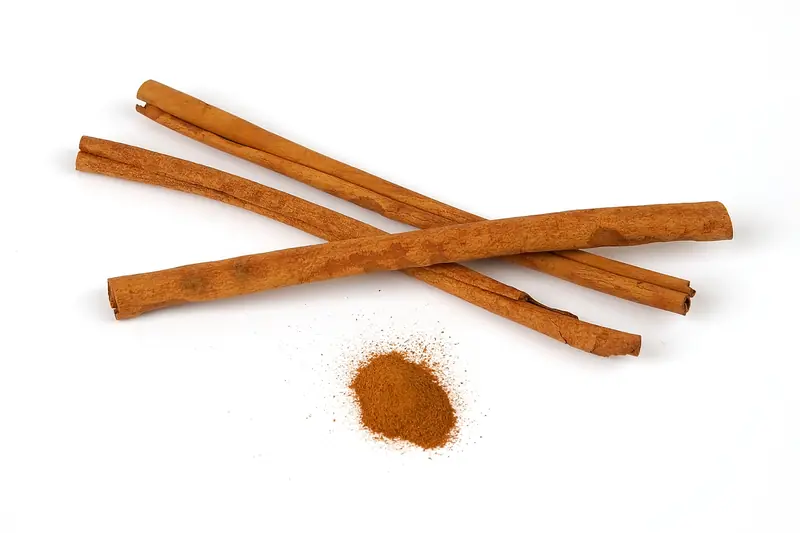
Cassia and Ceylon cinnamon don't smell the same
ok so we got ceylon cinnamon in at work next to the usual cassia. side by side at my station the cassia is sweeter, almost like a cookie, the ceylon is lighter and kind of citrusy. your telling me these are both just cinnamon?
nell.wattle The Wikipedia page on coumarin lists cassia cinnamon as one of the places it's found, along with tonka beans and sweet woodruff, and describes it as…
ambrose_leatherin Ambers, Spices & Gourmands · Northampton ·
Memory
Tonka beans and the foreman's pipe tobacco
Right then. Our foreman in the clicking room smoked a pipe at break, and his tobacco smelled of hay and marzipan, nothing like my dad's roll-ups. I never knew why until my granddaughter put a tonka bean under my nose on Sunday. Same smell, near enough. The…
bev.boston My late husband's aftershave had that hay and almond smell. Now I have a word to look for.
In the Classes
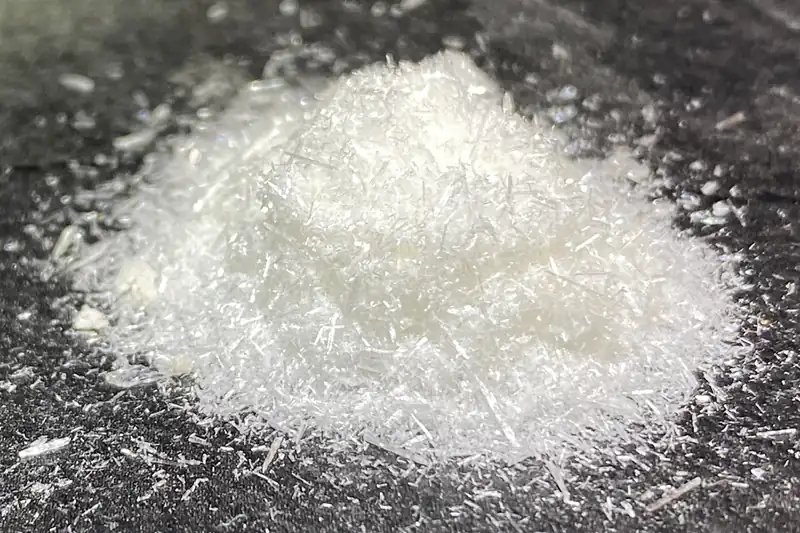
Class no. 4 · 6 min read
Natural vs synthetic fragrance: what chemistry gave perfume
Since the 1860s, perfumery has mixed natural materials with synthetic molecules, and neither is better or safer by default. You'll be able to date the molecules that changed perfume, from coumarin to Iso E Super, and read the word natural on a label without reading too much into it.
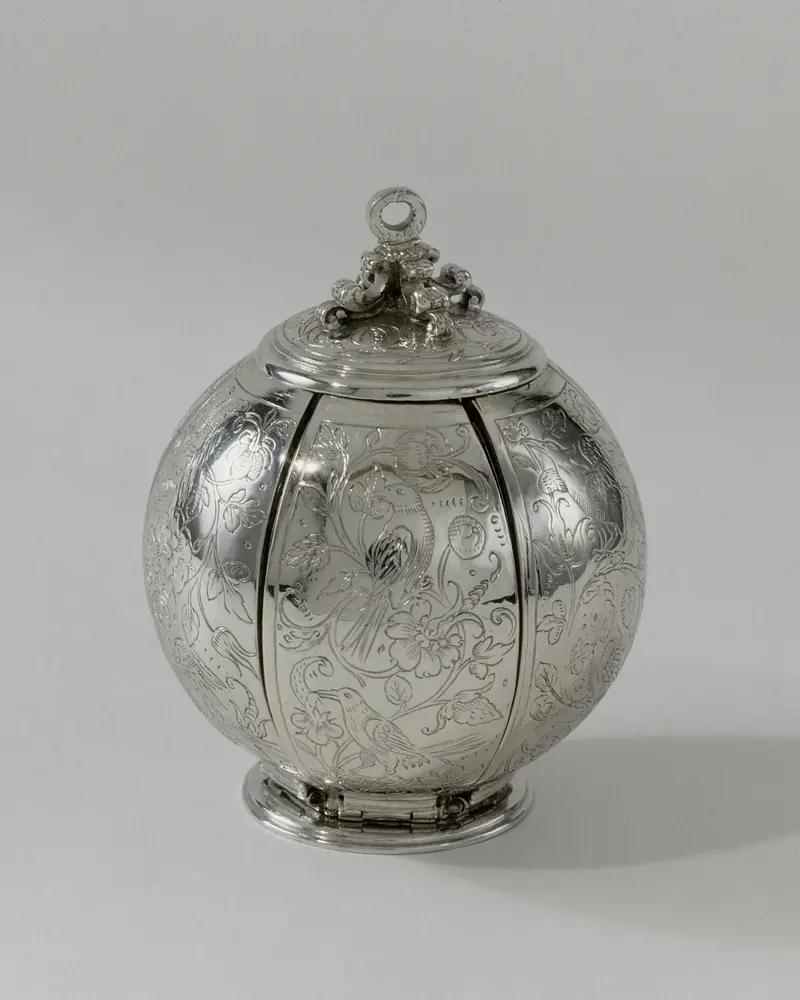
Class no. 14 · 6 min read
History of perfume: verified milestones from Egypt to the lab
Perfume has changed form three times: oils and smoke for millennia, alcohol from the 14th century, lab-made molecules from the late 19th. Here you will learn to place each milestone, from Egyptian kyphi to the glove-perfumers of Grasse, with the source that dates it.
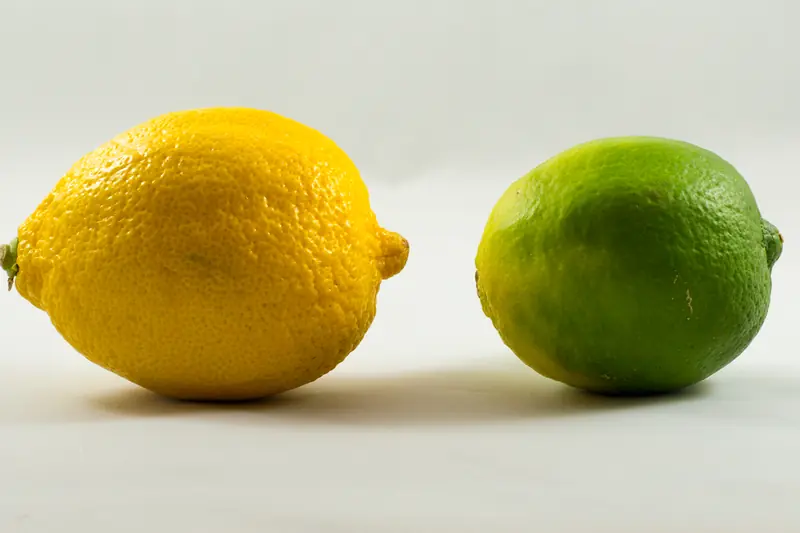
Class no. 15 · 7 min read
Fragrance allergens and IFRA: what the label really tells you
On a perfume sold in the European Union, the word "parfum" covers the whole formula, and only the allergens listed in the cosmetics regulation are named separately, above a set threshold. You will learn to read those names, date what the 2023 regulation added, and tell the law apart from the IFRA Standards, which never appear on the bottle.