Fragrance family
Fougères: the fragrance family of lavender and coumarin
The fougère fragrance family gathers perfumes built on an accord of lavender, coumarin and oakmoss, often with bergamot and geranium. Fougère means fern in French, yet the name describes an accord, not the smell of the plant.
Why is a fragrance family named after a fern?
Fougère is French for fern, but in perfumery it names an accord. The French perfumers' society classification of olfactory families (text in French) calls it a fanciful name that makes no claim to the smell of ferns, and describes an accord of lavender, woody notes, oakmoss, coumarin, bergamot and geranium. Wikipedia's article on the fougère family traces the name to Fougère Royale, created by Paul Parquet for Houbigant in 1882 and later added to the archives of the Osmothèque in Versailles.
Which sub-families does the fougère family include?
The French classification sets out six sub-families: fougère, floral amber fougère, soft amber fougère, spicy fougère, aromatic fougère and fruity fougère. Soft amber fougères sweeten their base with vanilla notes, and spicy fougères add clove and pepper. Aromatic fougères surround the accord with herbs such as thyme, mugwort, coriander or rosemary.
Which materials build a fougère?
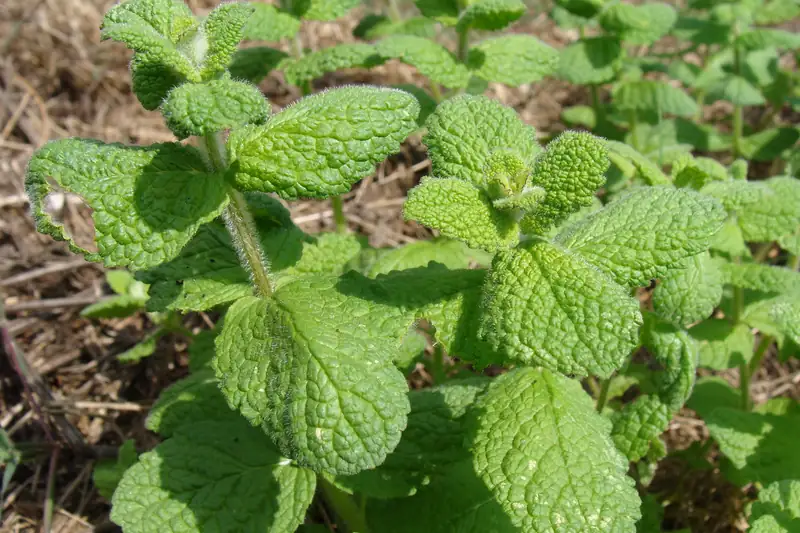
Three materials hold a fougère together. Lavender opens the accord on a fresh, herbal note. Coumarin, with its scent of cut hay, brings the sweetness; Wikipedia's coumarin article notes that it was first isolated from tonka beans in 1820. Oakmoss, which the club files under chypres, anchors the base. Aromatic fougères add herbs such as mint or basil.
How did chemistry create the fougère?
The fougère family was born from synthetic chemistry. Coumarin was first synthesized in 1868 by the English chemist William Henry Perkin, and the Wikipedia fougère article explains that Fougère Royale stood out for using this new aroma chemical. The same article cites Jicky, released by Guerlain in 1889, which added synthetic vanillin and coumarin to the fougère accord.
How do you recognize a fougère on skin?
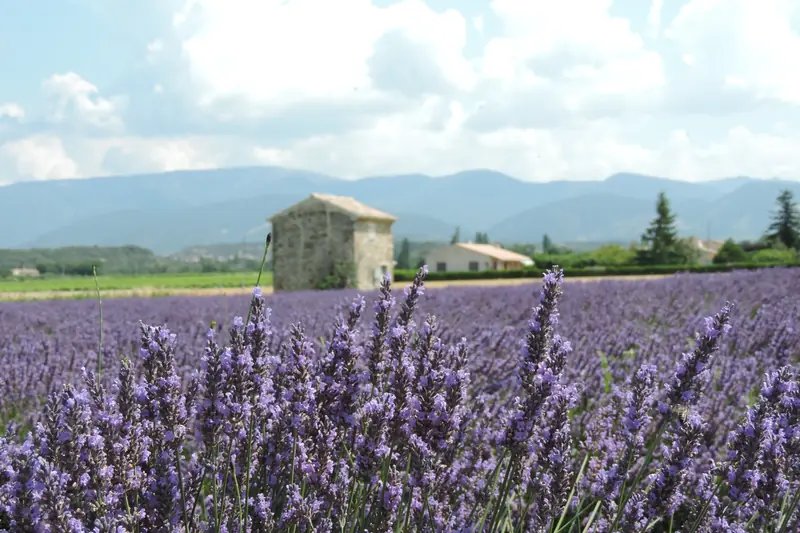
A fougère shows itself through a contrast between an herbal top of lavender and bergamot and a soft base that recalls dry hay over a mossy note. Wikipedia describes the "familiar barbershop notes of woods and lavender" that won over the first men who wore Fougère Royale, and the family remains especially popular in men's fragrance. Nothing stops anyone from wearing one. To compare, smell dried lavender, then a tonka bean: the fougère plays out between the two.
Notes in this family
Further reading
- Les Familles Olfactives, Société Française des Parfumeurs (text in French) sfp-parfumeurs.com
- Fougère, Wikipedia en.wikipedia.org
- Coumarin, Wikipedia en.wikipedia.org
In the feed
Scenting my hair through the hairbrushbeatriz.london · My late husband's aftershave started all thisbev.boston · Auckland boatbuilder wondering how perfume does the seagus_saltmarsh ·
The wearing Class: which habit did you drop?harriet.hay ·
Auckland boatbuilder wondering how perfume does the seagus_saltmarsh ·
The wearing Class: which habit did you drop?harriet.hay ·
 Lavender bags for the airing cupboard, from the gardenmags.lavender ·
 Fog and low tide on the Halifax waterfrontnoah.fog ·
A citrus that smells like the beach?liam.saltwater ·
Fog and low tide on the Halifax waterfrontnoah.fog ·
A citrus that smells like the beach?liam.saltwater ·
 What was in my late husband's aftershave?bev.boston ·