Calone: the molecule that put the sea into perfume
Calone is a synthetic molecule discovered by Pfizer in 1966, with an intense sea-breeze smell, watery and ozonic, with a hint of melon. It drove the marine trend in perfume that took off in the 1990s.
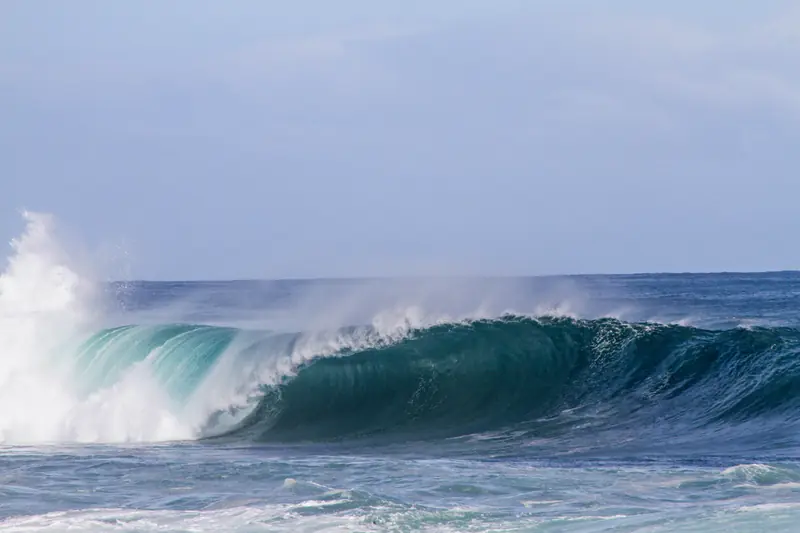
Where does calone come from?
Calone, or methylbenzodioxepinone, sold under the name Calone 1951, was discovered by Pfizer in 1966. The chemistry entry on calone describes it as a white solid derived from 4-methylcatechol, similar in structure to brown algae pheromones such as ectocarpene. In the fragrance industry it is nicknamed watermelon ketone, or simply calone.
What does calone smell like?
Calone has an intense sea-breeze note with slight floral and fruity overtones. Its descriptors read like a day at the shore: fresh, watery, clean, melon, green, marine and ozone. Perfumers use it to give the olfactory impression of a fresh seashore.
What does calone do in a fragrance?
Calone has been used since the 1980s for watery, fresh, ozonic accords, and as a more dominant note in perfumes of the marine trend from the 1990s. The overview of fragrance families describes the aquatic, oceanic or ozonic category as the newest one: a clean smell reminiscent of the ocean that generally contains calone, or more recent synthetics such as Ambroxan, and that is also used to accent floral, oriental and woody fragrances. Firmenich later released an isopropyl relative, Cascalone, a sweet, watery version with a transparent floral signature.
What should you know about calone?
Calone is one of the notes of the fougère family. It is an artificial molecule made in a lab, an example of a smell that chemistry invented rather than copied from a flower. Compare its watery cool with the cold sensation of mint, which comes from menthol acting on your skin's cold receptors, or with the airy jasmine of Hedione. The Class on natural versus synthetic explains what molecules like these changed.
Often paired with
Further reading
Calone in the feed
gus_saltmarshin Welcome to the Club · Auckland ·
Introduction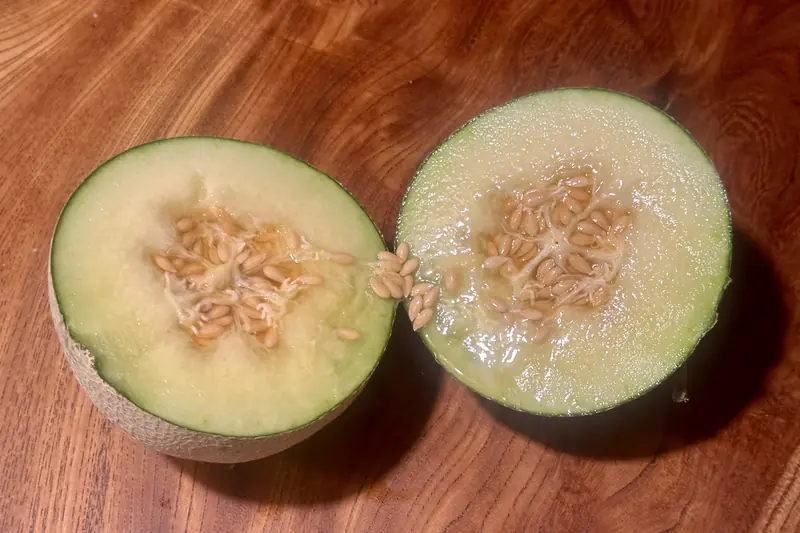
Auckland boatbuilder wondering how perfume does the sea
I build boats in Auckland, so my days are kauri gum, varnish and spray off the harbour, not exactly floral. What I really want to know is how a perfume does the sea, because nothing I've smelled has got it right yet.
petey_pepper Isn't the sea smell in perfume made from whale vomit? I read that somewhere.
noah.fogin Everyday Smells · Halifax ·
Snapshot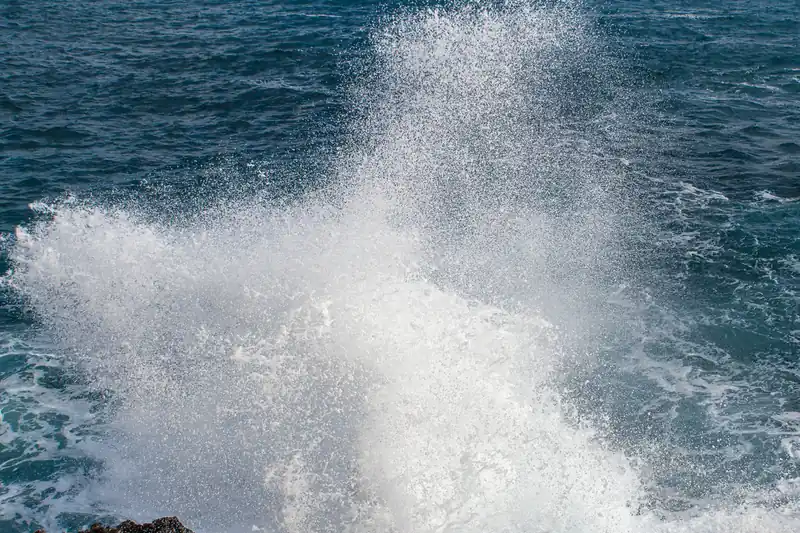
Fog and low tide on the Halifax waterfront
Fog in all morning, low tide, spruce on the hills. Seaweed, cold rock and woodsmoke from somewhere.
shona.whin The haar in Aberdeen smells just like that, plus the fish market.
liam.saltwaterin Citrus & Fresh · Sydney ·
QuestionA citrus that smells like the beach?
Water's warming up in Sydney. Is there anything citrus that smells like the beach, salt and all?
priya.cardamom I've moved this over from Wearing Fragrance, it's really a materials question. We talk notes here rather than bottles, so answers in materials…