Mint: the cool note you feel as much as you smell
Peppermint (Mentha × piperita) is an aromatic herb whose essential oil smells fresh and spicy, dominated by menthol. In perfumery, mint brings coolness to aromatic accords, and menthol derivatives help lift floral notes.
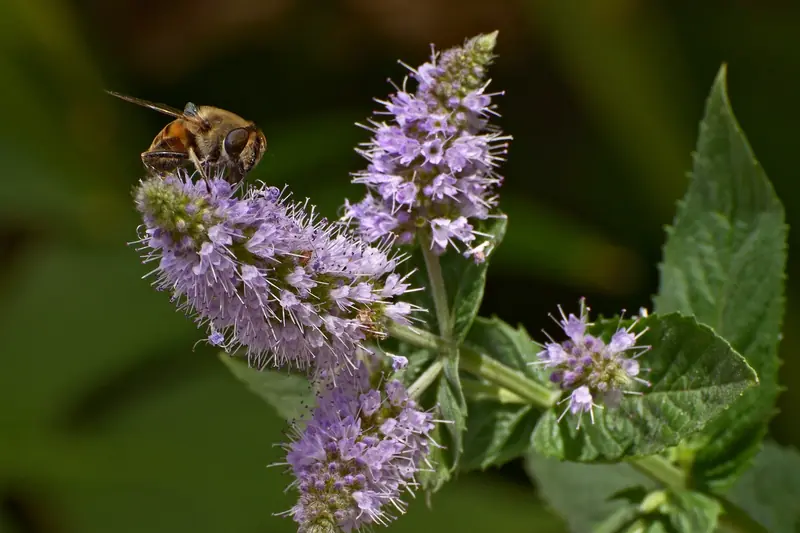
Where does mint in perfume come from?
Peppermint is a hybrid of water mint and spearmint, indigenous to Europe and the Middle East and now grown in many regions of the world. Being a hybrid, it is usually sterile and spreads by its runners. As the botanical profile of peppermint explains, the leaves and flowering tops are collected as soon as the flowers begin to open, sometimes left to wilt a little, then taken to the still. Carl Linnaeus named it Mentha piperita in 1753.
What does mint smell like?
Peppermint oil has the smell that defines the word peppermint. According to the same profile, its main constituents are menthol and menthone, at about 41% and 23% of the essential oil of Mentha × piperita. Menthol explains the chill: the chemistry entry on menthol shows that it triggers the cold-sensitive TRPM8 receptors in the skin, much as capsaicin triggers heat sensors in chillies.
What does mint do in a fragrance?
In perfumery, menthol is used to prepare menthyl esters that emphasise floral notes, especially rose. Mint also brings coolness to the herbal side of the fougère family, where aromatic fougères add herbs to the classic structure. Curiously, the wild form of geranium smells of mint rather than rose. The Class on training your nose uses kitchen herbs like mint for simple smelling exercises.
What should you know about mint?
Since Commission Regulation (EU) 2023/1545, peppermint oil, spearmint oil and menthol are fragrance allergens that must be named on the label above 0.001% in leave-on products and 0.01% in rinse-off products. Of the more than 25 species in the genus Mentha, peppermint is the most widely used.
Often paired with
Further reading
- Peppermint en.wikipedia.org
- Menthol en.wikipedia.org
- Fougère en.wikipedia.org
- Pelargonium graveolens en.wikipedia.org
- Commission Regulation (EU) 2023/1545 of 26 July 2023 amending Regulation (EC) No 1223/2009 as regards labelling of fragrance allergens in cosmetic products eur-lex.europa.eu
Mint in the feed
fern.mossin Learning to Smell · Swansea ·
Discovery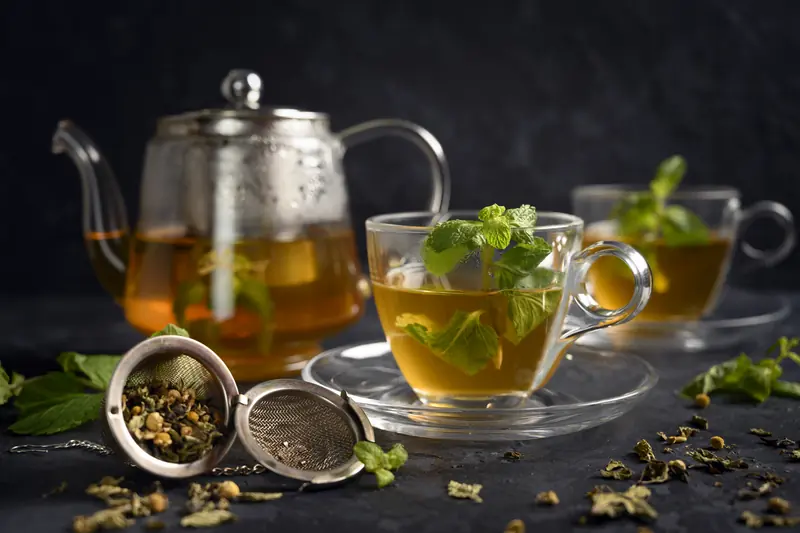
Steam, mint leaves and the word hydrosol
Read about steam distillation on a wet lunch break: steam carries the scent out of the leaves, and once it condenses the oil separates from the water. The watery part is called the hydrosol, a word I'd never seen before.
nell.wattle The same page says eucalyptus oil is actually made this way on an industrial scale. Every rainy walk here makes more sense now.
ash.and.emberin Learning to Smell · Calgary ·
Exercise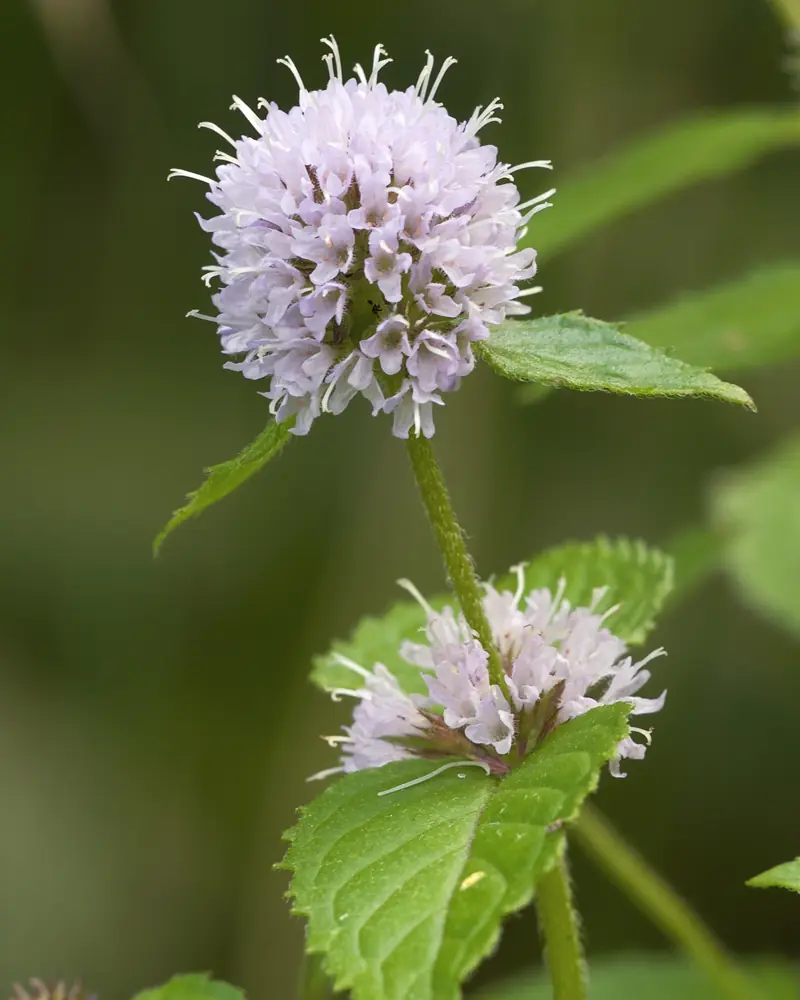
Spearmint and caraway, the mirror-image pair
Tried the spearmint and caraway pair from the club's Class on training your nose . Same atoms, mirror images, and one smells like gum and the other like rye bread. My brain still hasn't caught up.
aoife_mint Spearmint is my favourite thing to smell and I never knew it had a twin. Doing this tonight. There's a page on mint in the Notes too.
In the Classes
Class no. 8 · 8 min read
Training your nose: learning to smell with your kitchen cupboard
Training your nose means smelling often, in pairs, and putting a word to each smell: research shows that recognising odours is a skill that improves with practice. By the end of this class you will know how to use a blotter, run a blind test with your spice rack and look after your nose when it gets tired.