Hedione: the molecule that made jasmine feel transparent
Hedione is the trade name of methyl dihydrojasmonate, a synthetic molecule with a fresh, airy jasmine smell and a lemony edge. Developed at Firmenich between 1957 and 1962, it became one of the most widely used materials in perfumery.
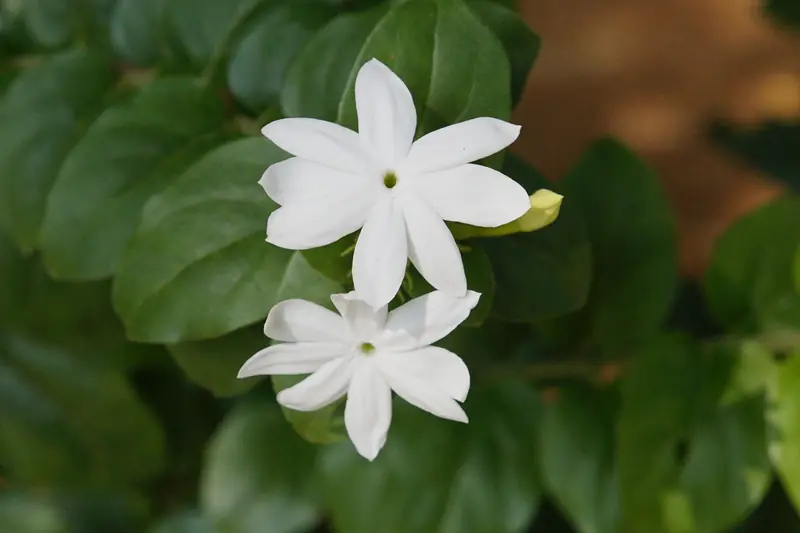
Where does Hedione come from?
Hedione is a synthetic relative of methyl jasmonate, a compound that occurs naturally in the scent of jasmine, tuberose and magnolia. The chemistry entry on methyl dihydrojasmonate credits Edouard Demole, a fragrance chemist at Firmenich, with characterising and synthesising it between 1957 and 1962, from work on jasmine absolute. Its name comes from the Ancient Greek hēdonḗ, pleasure.
What does Hedione smell like?
Hedione smells of jasmine, but a watery, fresh jasmine with a lemony lift. Racemic mixtures smell floral and citrus, while epimerised mixtures are denser, with a buttery floral odour. Hedione also behaves oddly in your body: it acts on the vomeronasal receptor VN1R1 rather than on a standard olfactory receptor.
What does Hedione do in a fragrance?
Hedione brings transparency and projection. Its first commercially successful use was Eau Sauvage, composed by Edmond Roudnitska for Dior and launched in 1966: adding Hedione to a classic citrus structure created a dewy, lemony magnolia-jasmine dimension without being directly floral. The fragrance profile of Eau Sauvage lists hedione among its middle notes, with lemon and bergamot at the top. That launch is seen as the beginning of a trend towards transparent, radiant perfumes.
What should you know about Hedione?
Hedione sits in the florals family, beside jasmine and magnolia, and it has worked with citrus such as lemon and bergamot since its first success. It is used in fine fragrance as well as in cosmetics, toiletries and detergents, and it also serves as a flavouring ingredient. Another trade name for the same molecule, Kharismal, comes from the Greek kharisma, grace. It is one of the molecules covered in the Class on natural versus synthetic.
Often paired with
Further reading
- Methyl dihydrojasmonate en.wikipedia.org
- Eau Sauvage en.wikipedia.org
- Hédione fr.wikipedia.org
Hedione in the feed
ingrid_berlinin Florals & Bouquets · Berlin ·
ReadingHedione, the jasmine molecule with the bass turned down
Read the Wikipedia page on methyl dihydrojasmonate , the molecule sold as Hedione. A Firmenich chemist characterised it between 1957 and 1962, and Dior's Eau Sauvage, in 1966, was its first major commercial use. Jasmine with the bass turned down. /Ingrid
kasia.berlin Is this the same molecule that makes lily of the valley in perfume, or another one?
ingrid_berlinin Learning to Smell · Berlin ·
DiscoveryHedione on a strip: jasmine with the window open
At a workshop they passed round a strip of Hedione. Jasmine, but with the window open and no heavy part. The article on methyl dihydrojasmonate , its chemical name, says a Firmenich chemist characterised it between 1957 and 1962. It is the reverb of jasmine…
jess.in.philly Jasmine without the heavy part sounds exactly like my thing.
In the Classes
Class no. 4 · 6 min read
Natural vs synthetic fragrance: what chemistry gave perfume
Since the 1860s, perfumery has mixed natural materials with synthetic molecules, and neither is better or safer by default. You'll be able to date the molecules that changed perfume, from coumarin to Iso E Super, and read the word natural on a label without reading too much into it.