Bergamot: the citrus at the heart of eau de Cologne
Bergamot is a Calabrian citrus whose peel gives a sweet, light, orange-like oil with a floral note. It has opened eau de Cologne since the early 18th century and remains a backbone of the citrus family.
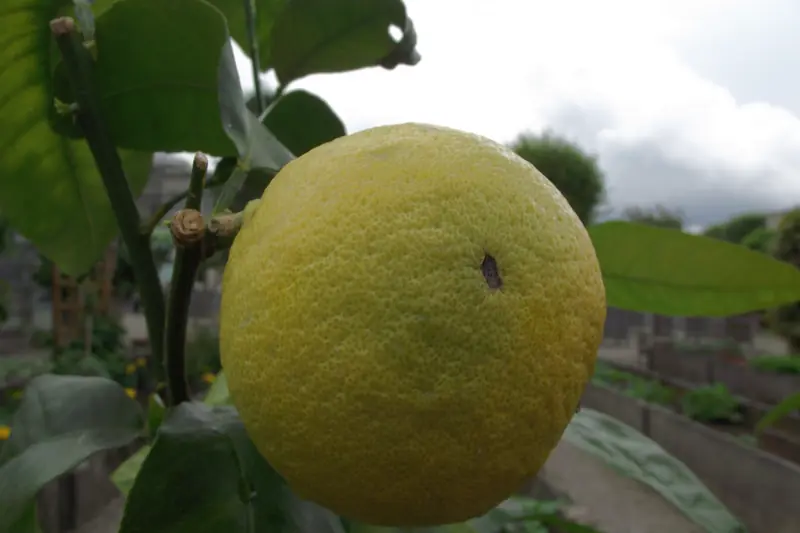
Where does bergamot come from?
Bergamot is the fruit of Citrus bergamia, a small tree that genetic research describes as a probable hybrid of lemon and bitter orange. As Wikipedia's entry on the bergamot orange explains, large-scale production sits on the Ionian coast of the province of Reggio Calabria, in southern Italy, where the oil carries a protected designation, Bergamotto di Reggio Calabria DOP.
Bergamot oil is cold-pressed from the rind. Machines took over the job in the 1840s, and today peelers scrape the fruit under running water before centrifuges separate the oil from the water. According to the article on bergamot essential oil, the rinds of 100 bergamots yield about 85 g of oil.
What does bergamot smell like?
Bergamot smells like a sweet, light orange peel with a floral note. Its aroma is described as citrus, floral, green and spicy, with hints of orange peel and ginger. The oil is built mainly on limonene, linalyl acetate and linalool.
What does bergamot do in a perfume?
Bergamot is a top note, the first impression when you spray, and one of the most commonly used ingredients in perfumery, valued for how easily it combines with other scents. It was a major component of the original Eau de Cologne made by Johann Maria Farina in the early 18th century, and the Farina archive in Cologne records its use in perfume in 1714. It anchors the citrus family, next to lemon, one of its probable parents, and to neroli and petitgrain, both drawn from the bitter orange tree.
What should you know about bergamot?
Expressed bergamot oil is phototoxic because it contains bergapten, a furocoumarin. A link between cologne, sunlight and skin pigmentation was observed in 1916, and the name berloque dermatitis appeared in 1925. The International Fragrance Association (IFRA) Standard for expressed bergamot oil caps it at 0.40% of the finished product in most product categories when the furocoumarin level is unknown; bergapten-free grades show no phototoxic effect in patch tests. Bergamot oil is also one of the allergens listed in EU Regulation 2023/1545 on fragrance allergen labelling: above 0.001% in a leave-on cosmetic, it must appear on the ingredient list. The class on allergens and IFRA standards explains how both systems work.
Often paired with
Further reading
- Bergamot orange (Wikipedia) en.wikipedia.org
- Bergamot essential oil (Wikipedia) en.wikipedia.org
- IFRA Standard, Bergamot oil expressed (Amendment 49, 2020) ifrafragrance.org
- Commission Regulation (EU) 2023/1545 of 26 July 2023 (labelling of fragrance allergens in cosmetic products) eur-lex.europa.eu
Bergamot in the feed
joon.yuzuin Citrus & Fresh · Seattle ·
ReadingWhere citrus sits: French families versus the wheel
TL;DR: citrus is a family of its own in the French classification but only a subfamily on the Fragrance Wheel. - the club's Class on the seven fragrance families follows the French perfumers' seven, citrus first - Wikipedia's article on the Fragrance Wheel…
frankie.incense Fun fact: the wheel had ancestors. The same Fragrance Wheel article mentions Jellinek's Odor Effects Diagram, from 1949, among the earlier schemes [I…
dario.bergamotin Citrus & Fresh · London ·
Memory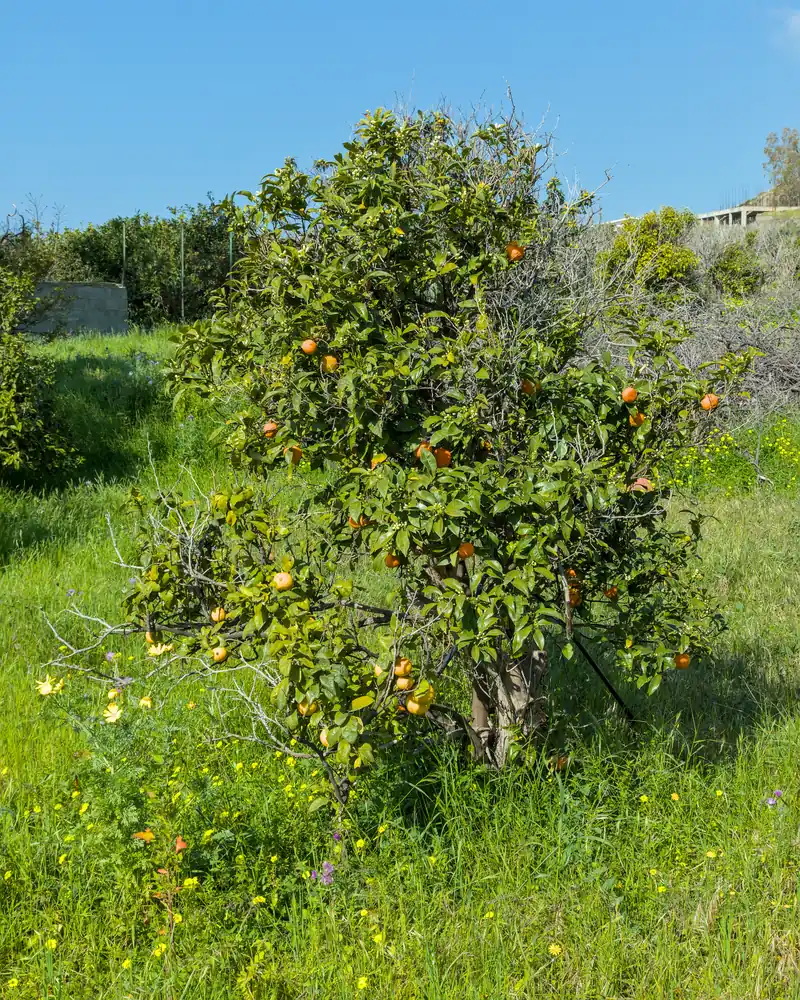
My grandfather's bergamot trees near Reggio
Back home near Reggio Calabria the bergamots are still green on the trees. My grandfather picked through the winter and his hands smelled of the peel for days, sweet and a little like flowers. The oil is squeezed out of the rind, by machine since the 1840s…
rafa_azahar Bergamot has bitter orange in its family, like the trees on my street. Keep the knife.
joon.yuzuin Citrus & Fresh · Seattle ·
Scent diary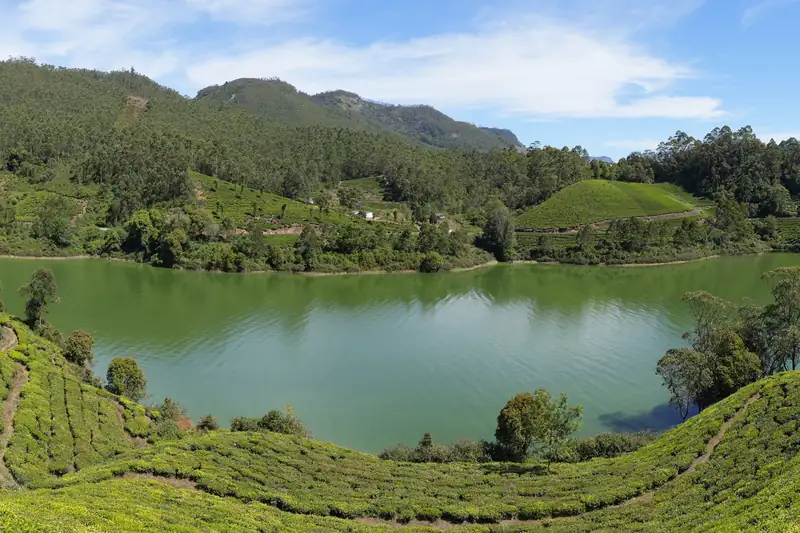
Green, black and oolong tea side by side
TL;DR: green, black and oolong tea brewed side by side smell like three different materials. - green: cut grass, a bit of steamed spinach - black: dried fruit, honey, a little smoke - oolong: flowers, almost jasmine The club's tea page, on the molecules tea…
kasia.berlin I drink black tea with lemon, like at home in Poland. Now I will smell it before the lemon goes in.
beatriz.londonin Citrus & Fresh · London ·
QuestionLemon, bergamot and sunshine, my grandmother's rule
My grandmother in Porto always said: no lemon on your skin before the beach. Is it the same with bergamot?
nell.wattle Okay, nerd moment: for the pressed oils, your grandmother was actually onto something. The club's bergamot page, on its phototoxicity explains that…
aoife_mintin Citrus & Fresh · Cork ·
QuestionIs every citrus oil pressed, or some distilled?
Question from a beginner: is every citrus oil pressed out of the peel, or do some get distilled?
dex_in_brooklyn it's all pressed, you squeeze the peel and the oil sprays out. you're overthinking it
dario.bergamotin History, Bottles & Houses · London ·
Discovery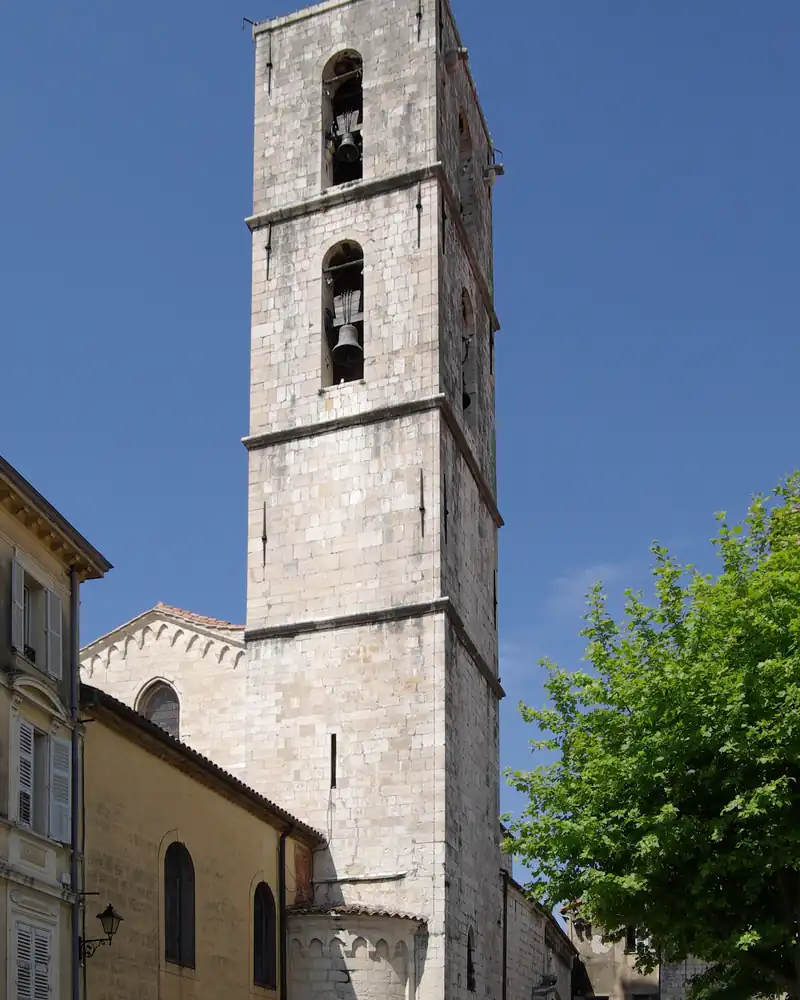
Farina, an Italian making cologne in Cologne
My grandfather grew bergamot near Reggio and always said cologne was an Italian idea. I checked: the encyclopedia entry on eau de Cologne says it was created in 1709 in Cologne by an Italian perfumer, Giovanni Maria Farina, as a light citrus scent in diluted…
frankie.incense That same entry says 'cologne' is now a generic term, most often for men's fragrances in American English, which definately explains every aftershave…
In the Classes
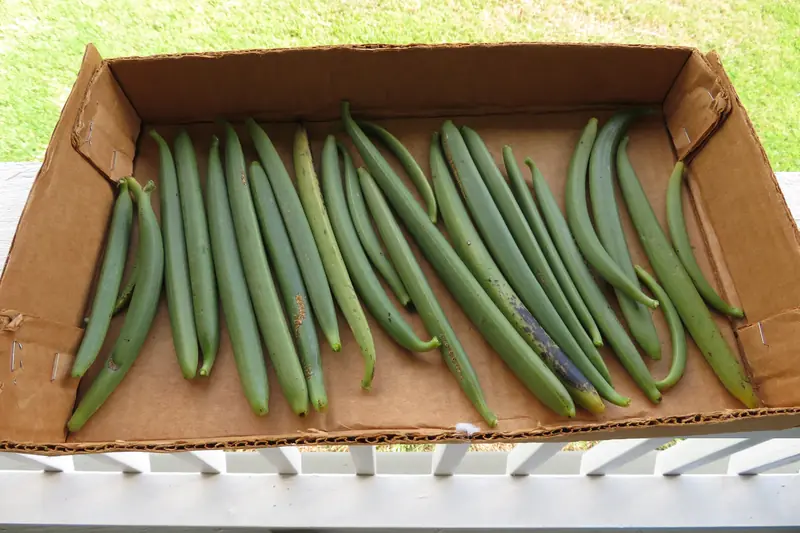
Class no. 1 · 6 min read
The seven fragrance families: how French perfumers sort scent
French perfumers sort fragrances into seven families, following the Société Française des Parfumeurs: citrus, florals, fougères, chypres, woody, ambers and leathers, each split into sub-families. You'll be able to place a scent on that map, translate it into the Fragrance Wheel used in shops, and spot where a family label stops helping.
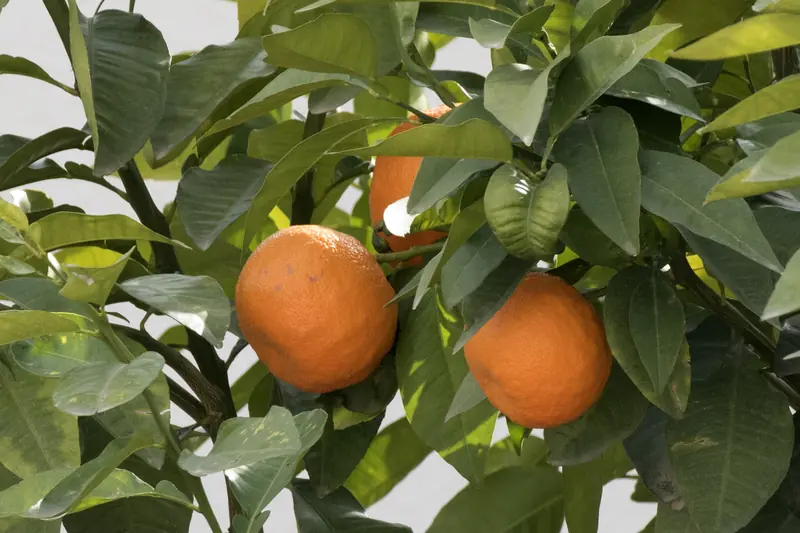
Class no. 3 · 6 min read
Fragrance concentrations: from extrait to eau de Cologne
A fragrance's concentration is the share of perfume oil dissolved in alcohol: highest in an extrait, lowest in an eau de Cologne, with ranges that vary from one reference to the next. You'll learn what those names change for longevity and sillage, what they leave alone, and how to check it yourself on two blotter strips.
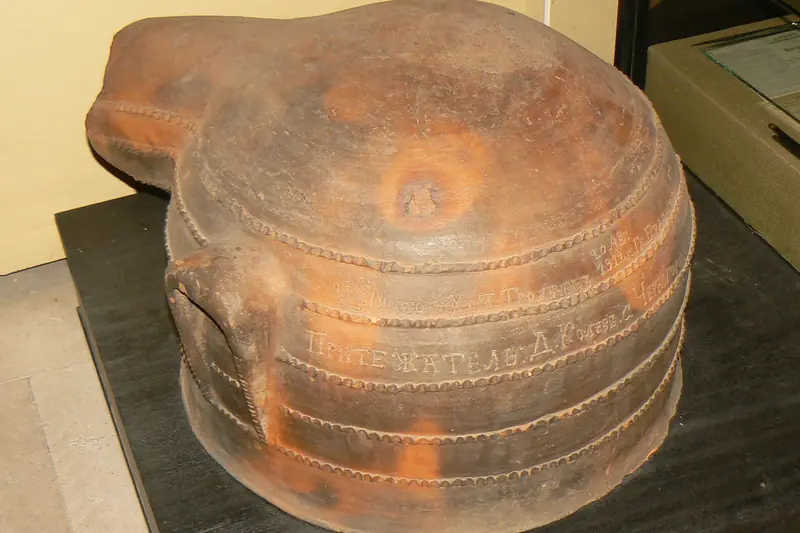
Class no. 5 · 7 min read
How Fragrance Is Extracted: Distillation, Enfleurage and Absolutes
Perfumers draw scent from plants in five main ways (steam distillation, cold pressing, enfleurage in fat, volatile solvents and supercritical CO2), and each one yields a material with its own name. You'll be able to tell an essential oil from a concrete and an absolute, see why jasmine is kept away from steam, and try three of these methods with an orange in your kitchen.