Fragrance family
Citrus: the zesty, fresh fragrance family
The citrus fragrance family gathers perfumes built on oils pressed from citrus peel, such as bergamot, lemon, orange and mandarin. It is the family of the classic eau de Cologne, the one that opens a scent with a bright, zesty flash.
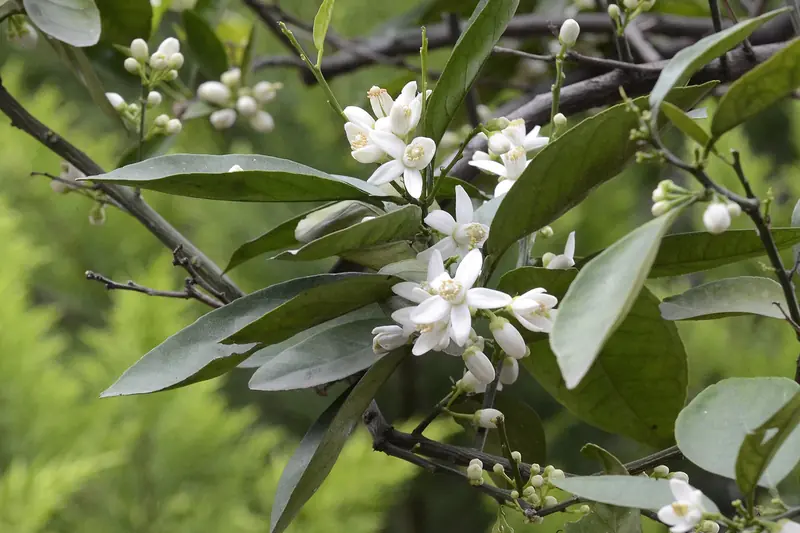
What does the citrus family cover?
The citrus family covers perfumes whose main theme comes from citrus fruit; French perfumers call it hespéridés. In the olfactory family classification of the Société Française des Parfumeurs (the French perfumers' society, text in French), these are essential oils obtained by pressing the zest of fruits such as bergamot, lemon, orange or mandarin, together with materials from the orange tree. The first eaux de Cologne belong here, worn by men and women alike.
Which sub-families does the citrus family include?
The French classification splits citrus into seven sub-families: citrus, spicy citrus, aromatic citrus, floral chypre citrus, woody citrus, floral woody citrus and musky citrus. Spicy citrus adds clove, pepper, nutmeg or cinnamon, while aromatic citrus brings in thyme, marjoram, rosemary or mint. In musky citrus, musk means synthetic musks, not the animal material.
Which materials make a citrus fragrance?
Citrus materials start with the peel: bergamot, bitter and slightly floral, lemon and its clean sharpness, rounder mandarin, sweet orange, grapefruit and its bitter edge or yuzu, the Japanese citrus. The orange tree also gives neroli, drawn from its blossom, and petitgrain, drawn from its leaves, which stretch the freshness toward green and floral.
Where does the citrus family come from?
Eau de Cologne is the citrus family's great landmark. According to Wikipedia's history of eau de Cologne, Giovanni Maria Farina launched his spirit-citrus perfume in Cologne in 1709, and another Cologne, 4711, has been made in the city since at least 1799. The Wikipedia overview of perfume and its olfactive families calls citrus "The oldest fragrance family that gave birth to lightweight eau de colognes", and adds that newer aroma compounds now make longer-lasting citrus scents possible.
How do you recognize citrus on skin?
A citrus fragrance shows itself in the opening: a bright, almost fizzy flash that recalls peel twisted between your fingers. That flash fades faster than the rest of the composition, and in a woody or musky citrus the base takes over while keeping a clean feel. To practice, smell a strip of lemon zest, then orange zest, and compare both with your perfume on a blotter. The Class on the seven fragrance families sets citrus beside its neighbors.
Notes in this family
Bergamot Lemon Mandarin Sweet orange Grapefruit Yuzu Neroli Petitgrain Tea Rhubarb
Further reading
- Les Familles Olfactives, Société Française des Parfumeurs (text in French) sfp-parfumeurs.com
- Eau de Cologne, Wikipedia en.wikipedia.org
- Perfume, Wikipedia (Olfactive families) en.wikipedia.org
In the feed
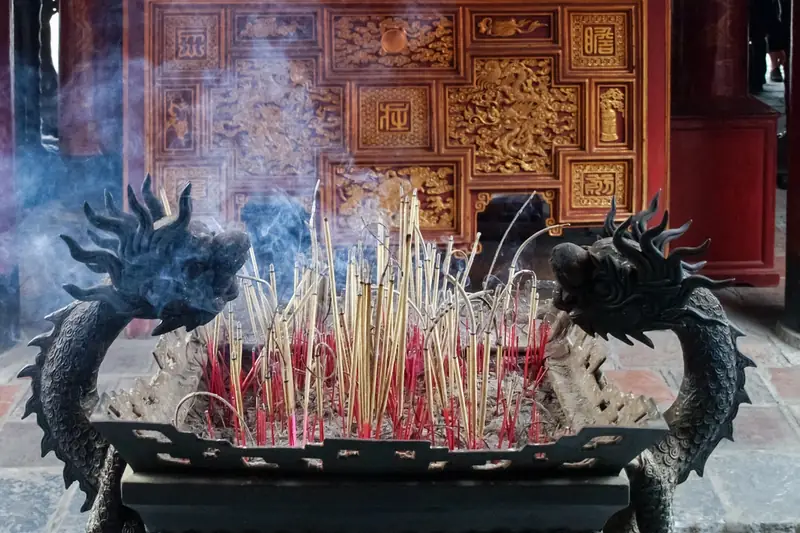 Starting a clove orange for the linen drawerkit.clove ·
Scenting my hair through the hairbrushbeatriz.london ·
Starting a clove orange for the linen drawerkit.clove ·
Scenting my hair through the hairbrushbeatriz.london ·
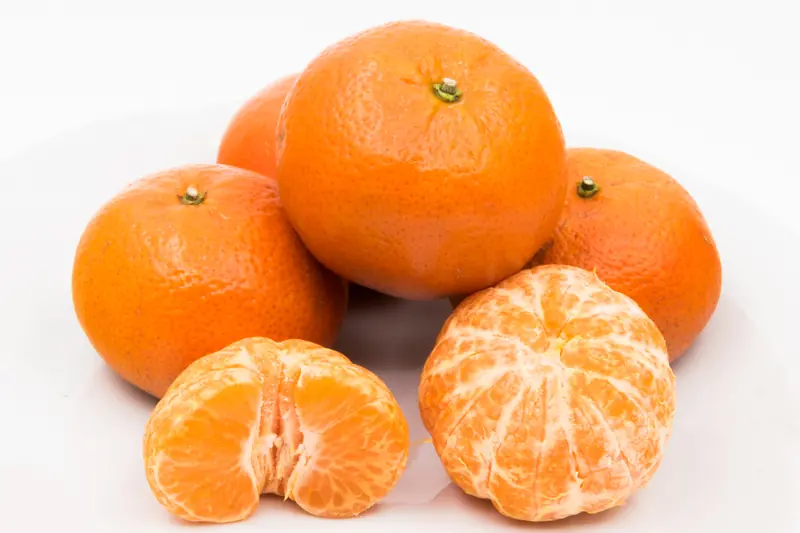 Satsuma or clementine, can your nose tell?pip.rhubarb ·
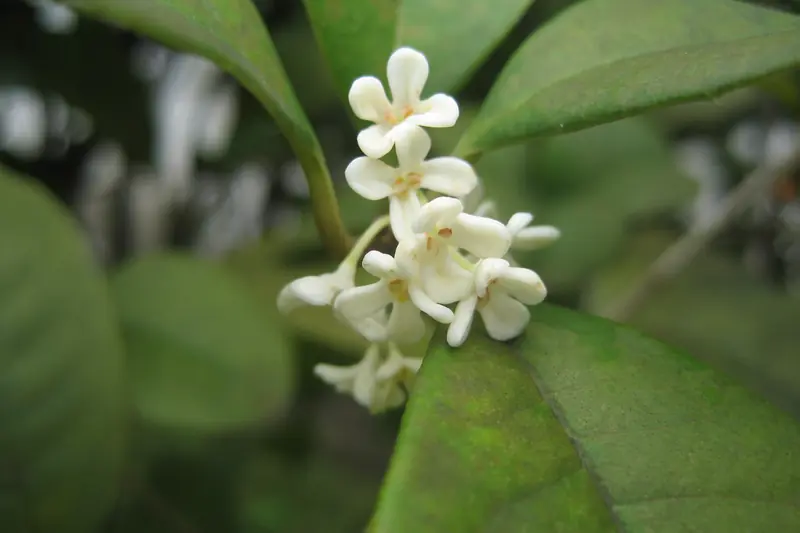 Osmanthus outside a Vancouver tea shop smells of apricothana.neroli ·
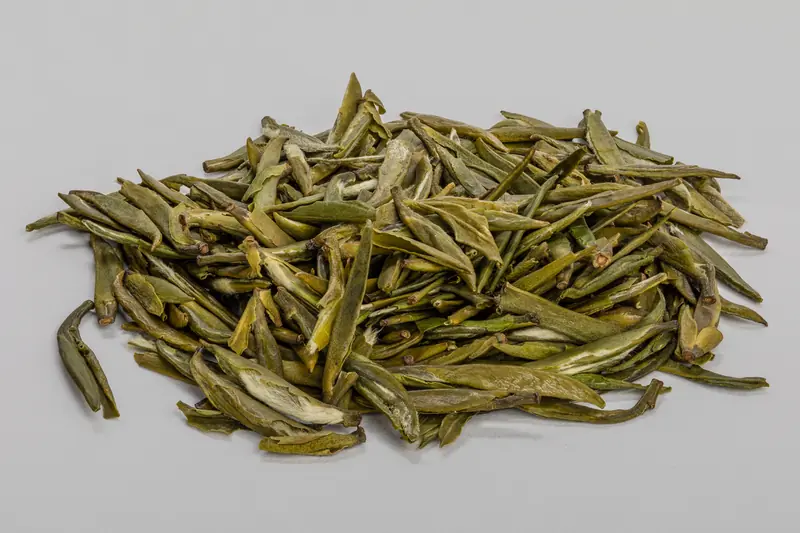 Odd one out with three cups of teaaroha.rain ·
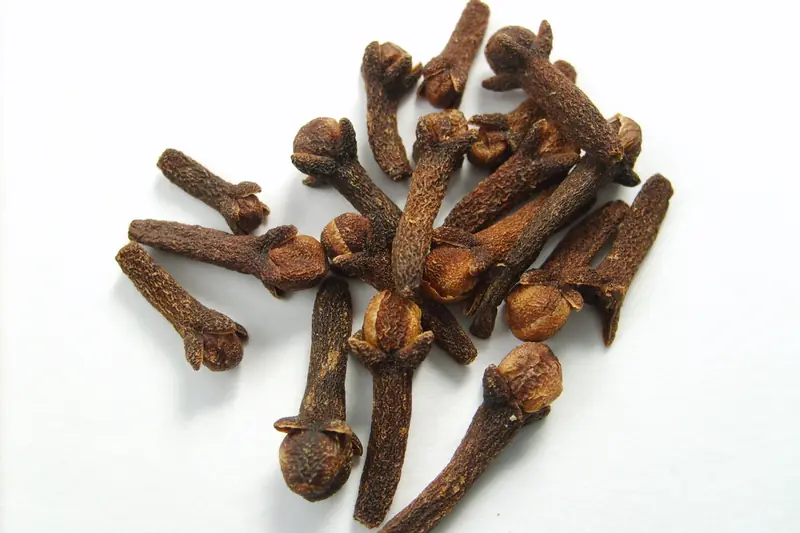 Mulling spices on a saucer, before any wineharriet.hay ·
Decanting fragrance for a flight: what worksjoon.yuzu ·
Chai all day in Brisbane, hooked on cardamomravi.tea ·
Mulling spices on a saucer, before any wineharriet.hay ·
Decanting fragrance for a flight: what worksjoon.yuzu ·
Chai all day in Brisbane, hooked on cardamomravi.tea ·