Sweet orange: the peel oil born from the juice industry
Sweet orange is the everyday orange, and its cold-pressed peel oil smells fresh, sweet and peely, carried by limonene. In perfumery it brightens the citrus family, and at home it scents the classic clove-studded pomander.
Where does sweet orange come from?
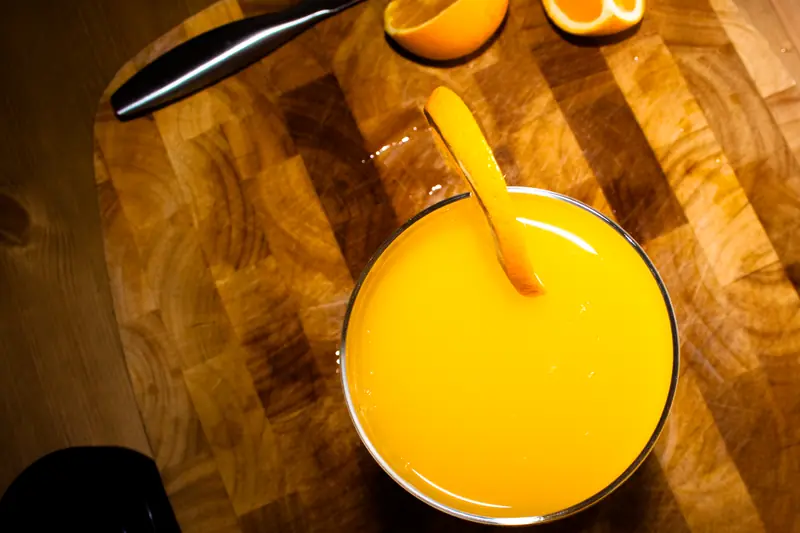
The sweet orange, Citrus sinensis, arose in cultivation in a region spanning southern China, northeast India and Myanmar, from a cross between a mandarin and a pomelo. Today Brazil leads world production: Wikipedia's article on the orange puts its share at 23% of the 67 million tonnes grown in 2024. Sweet orange oil is a by-product of that juice industry, pressed from the peel.
Unlike most essential oils, orange oil is recovered by centrifugation during juice production, which gives a cold-pressed oil. The entry on orange oil notes that it is more than 90% d-limonene, so much that it is often used in place of pure d-limonene.
What does sweet orange smell like?
Sweet orange smells of fresh orange peel, sweet and bright. Its dominant compound, d-limonene, has a citrus, orange, fresh, sweet and peely aroma, as described in the article on limonene, and it contributes to the characteristic odour of orange peel and orange juice. Long-chain aldehydes and alcohols such as octanal and 1-octanol are the second important group in the oil, and a flavone, sinensetin, gives it its orange colour.
What does sweet orange do in a perfume?
Sweet orange belongs to the citrus family, next to the mandarin, one of its two parents, and to grapefruit, which arose from a sweet orange and pomelo cross. Outside the bottle, it scents homes: the modern pomander is an orange studded with whole dried cloves and left to cure, used to freshen the air and keep drawers of linen pleasant-smelling. The class on the scents of Christmas follows that December tradition.
What should you know about sweet orange?
Limonene oxidises easily in moist air, and as the main component of orange oil it can dissolve skin oils and cause irritation; some people also experience allergic reactions. Under EU Regulation 2023/1545, sweet and bitter orange peel oils share one label name, Citrus Aurantium Peel Oil, which must appear on a cosmetic's ingredient list above 0.001% in leave-on products and 0.01% in rinse-off products.
Often paired with
Further reading
- Orange (fruit) (Wikipedia) en.wikipedia.org
- Orange oil (Wikipedia) en.wikipedia.org
- Limonene (Wikipedia) en.wikipedia.org
- Pomander (Wikipedia) en.wikipedia.org
- Commission Regulation (EU) 2023/1545 of 26 July 2023 (labelling of fragrance allergens in cosmetic products) eur-lex.europa.eu
Sweet orange in the feed
kit.clovein Home Fragrance & Candles · Oxford ·
Discovery
Starting a clove orange for the linen drawer
Started a clove orange for the linen drawer this weekend and my thumbs ache from pushing the cloves in. It smells like the bindery paste pot crossed with Christmas.
shona.whin I went looking. The sweet orange note says the pomander was left to cure and used to keep drawers of linen pleasant-smelling, and the clove note…
harriet.hayin Seasons & Celebrations · Bristol ·
Exercise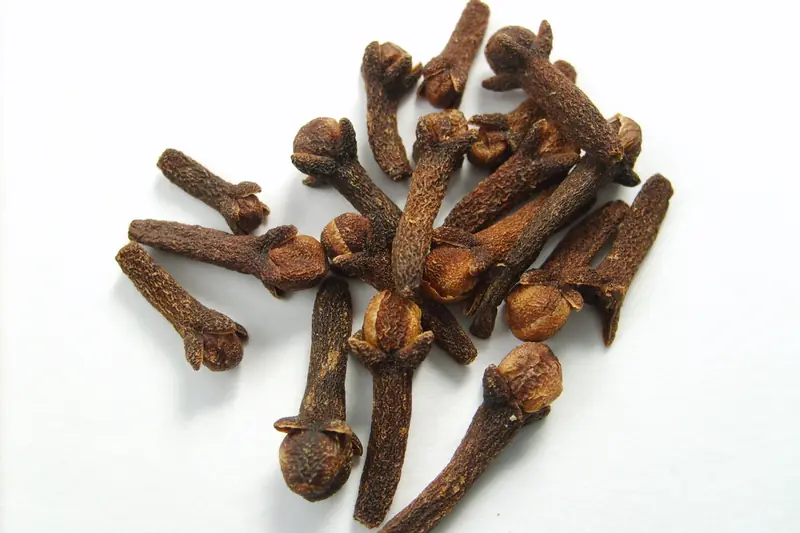
Mulling spices on a saucer, before any wine
Here's an easy one while the evenings draw in. Before anyone makes mulled wine or mulled apple juice this year, put the spices on a saucer one by one: a cinnamon stick, a few cloves, one star anise, a strip of orange peel, a sliver of nutmeg if you have it.…
dex_in_brooklyn warm star anise took over the whole saucer. your cinnamon stick needs snapping or it says nothing
harriet.hayin Citrus & Fresh · Bristol ·
Scent diary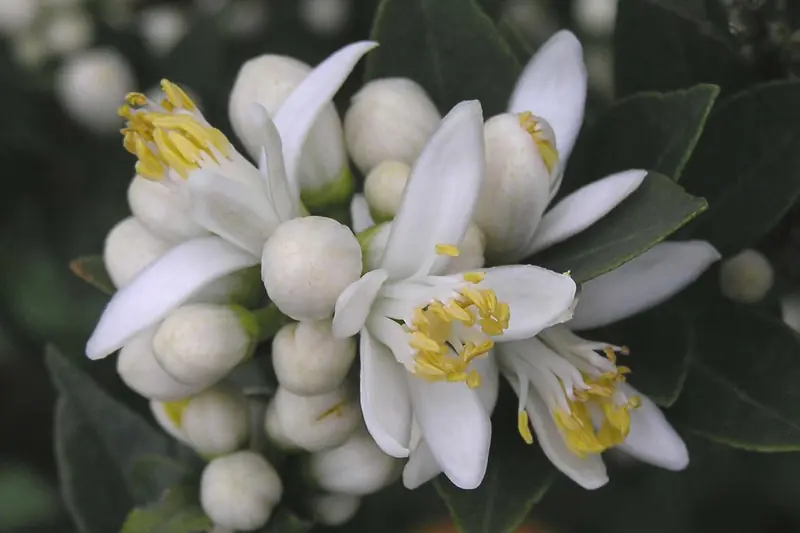
Studding oranges with cloves at the garden centre
We've started studding oranges with cloves for the Christmas display at the garden centre, a bit early, I know. By mid-morning the potting shed smelled of sweet orange peel and warm spice, and my thumbs had gone brown. The page on sweet orange and the…
mags.lavender My nan did these every year and hung them in the wardrobe. Lovely smell, a lot of sore thumbs.
joon.yuzuin Citrus & Fresh · Seattle ·
Exercise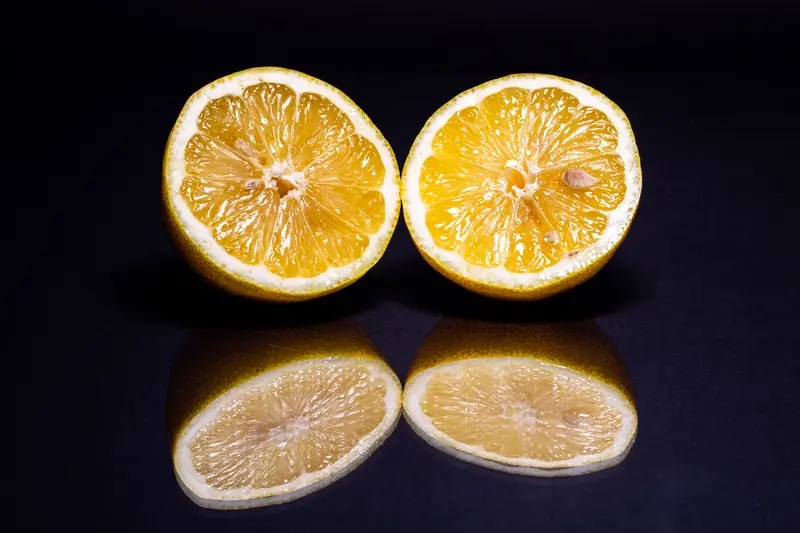
Four citrus peels, eyes shut, two right
TL;DR: I blind-tested myself on four citrus peels and got two right. Setup, if you want to copy it: - four peels: lemon, grapefruit, mandarin, sweet orange - each one folded over a paper strip, number on the back - my partner shuffled them, I smelled with my…
aoife_mint Did it with my housemates. Three out of four, I mixed up the lemon and a lime someone threw in to be smart.
priya.cardamomin Citrus & Fresh · Toronto ·
ChallengeSweet to sharp: rank your fruit bowl citrus
Thread of the week: rank the citrus in your fruit bowl from sweetest to sharpest, by nose only. 1) Take two or three citrus, whatever you have in. 2) Scratch each peel with a fingernail and smell it, no tasting. 3) Post your order with one word of your own…
dex_in_brooklyn ok so: orange (candy), lemon (dish soap, sorry), lime (green flame on the burner). your welcome
maeve.mossin Ambers, Spices & Gourmands · Galway ·
Memory
Studding oranges with cloves at my gran's
Here's a thing. It's lashing on the bog road and I passed a crate of oranges outside the shop and I was straight back in my gran's kitchen in Oughterard, a basin of oranges on the table and a saucer of cloves and the two of us pushing them in until our thumbs…
kit.clove Cloves are half my username and I still had to look up pomander. Lovely memory.
In the Classes
Class no. 5 · 7 min read
How Fragrance Is Extracted: Distillation, Enfleurage and Absolutes
Perfumers draw scent from plants in five main ways (steam distillation, cold pressing, enfleurage in fat, volatile solvents and supercritical CO2), and each one yields a material with its own name. You'll be able to tell an essential oil from a concrete and an absolute, see why jasmine is kept away from steam, and try three of these methods with an orange in your kitchen.
Class no. 18 · 6 min read
Scenting your home: what candles, incense and diffusers do to the air
Scenting your home without degrading the air comes down to two habits that UK and US health guidance share: cut back on the source, and ventilate while and after you use it. You will learn what a candle, an incense stick, a spray or a diffuser releases, and how to enjoy a scent at home without burning anything.

Class no. 21 · 6 min read
The scents of Christmas: spice, orange, pine and why they move us
The scents of Christmas come from a handful of materials, cinnamon, cloves, orange, pine, candle wax and honey, that many people have met every December since childhood; and the memories a smell brings back tend to be early and emotional. By the end of this Class you'll be able to pick them out one by one, say what carries each smell, and explain why they bring memories back.