Cinnamon: the warm, sweet, spicy bark of the Ceylon tree
Cinnamon is the dried inner bark of trees such as Ceylon cinnamon, with a warm, sweet, spicy smell that comes mostly from cinnamaldehyde. In perfumery it warms amber compositions, under strict allergen labelling rules.
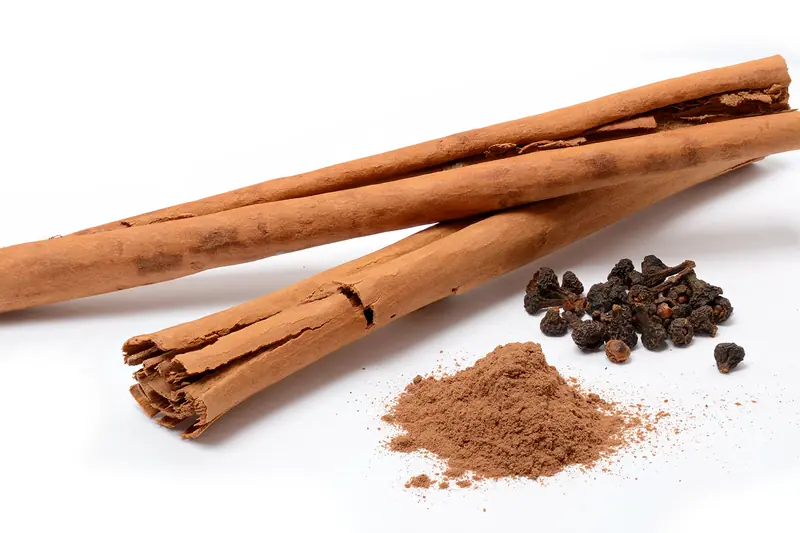
Where does cinnamon come from?
Cinnamon is the inner bark of several trees in the genus Cinnamomum. Ceylon cinnamon, Cinnamomum verum, named after Sri Lanka, is considered true cinnamon, while most cinnamon in international trade is cassia from other species, explains Wikipedia's article on cinnamon. Growers coppice the trees, strip off the outer bark and pry off the inner bark, which curls into quills as it dries.
The essential oil is made by beating the bark, macerating it in seawater and distilling the lot; the French Wikipedia entry counts about one tonne of bark for 3 to 5 kg of oil. The leaves give a separate oil.
What does cinnamon smell like?
Cinnamon smells warm, sweet and spicy. Its characteristic aroma comes from cinnamaldehyde, with eugenol, the clove molecule, among the other constituents. The IFRA Fragrance Ingredient Glossary describes cinnamon bark oil as spicy, sweet and warm, and cinnamaldehyde itself as spicy, cinnamon and warm.
What does cinnamon do in a perfume?
Cinnamaldehyde is used in some perfumes of natural, sweet or fruity scents, notes Wikipedia's article on cinnamaldehyde. Cinnamon belongs in the amber family, close to clove and myrrh: Egyptian kyphi already combined cinnamon, cassia and myrrh, and 16th-century Peau d'Espagne blended cinnamon and clove oils with rose.
What else should you know about cinnamon?
- Under the EU Cosmetics Regulation, cinnamal must be listed on the label above 0.001% in leave-on products and 0.01% in rinse-off products.
- Regulation (EU) 2023/1545 adds Cinnamomum cassia leaf oil and Cinnamomum zeylanicum bark oil to the labelled allergens at the same thresholds; non-compliant products could only be placed on the market until 31 July 2026.
- IFRA standards restrict cinnamal in every product category, citing dermal sensitisation and systemic toxicity. If your skin reacts, see a doctor or pharmacist.
- Label reading has its own Class, allergens and IFRA, and holiday smells theirs, the scents of Christmas.
Often paired with
Further reading
- Cinnamon en.wikipedia.org
- Cinnamaldehyde en.wikipedia.org
- Kyphi en.wikipedia.org
- Cannelle (French Wikipedia) fr.wikipedia.org
- Peau d'Espagne en.wikipedia.org
- IFRA Fragrance Ingredient Glossary (April 2020 edition) ifrafragrance.org
- Regulation (EC) No 1223/2009 on cosmetic products, consolidated text of 1 May 2025 eur-lex.europa.eu
- Commission Regulation (EU) 2023/1545 of 26 July 2023 (labelling of fragrance allergens) eur-lex.europa.eu
- The complete IFRA Standards, up to and including the 51th Amendment (January 2024) ifrafragrance.org
Cinnamon in the feed
kemi.cocoain Giving Fragrance · London ·
Memory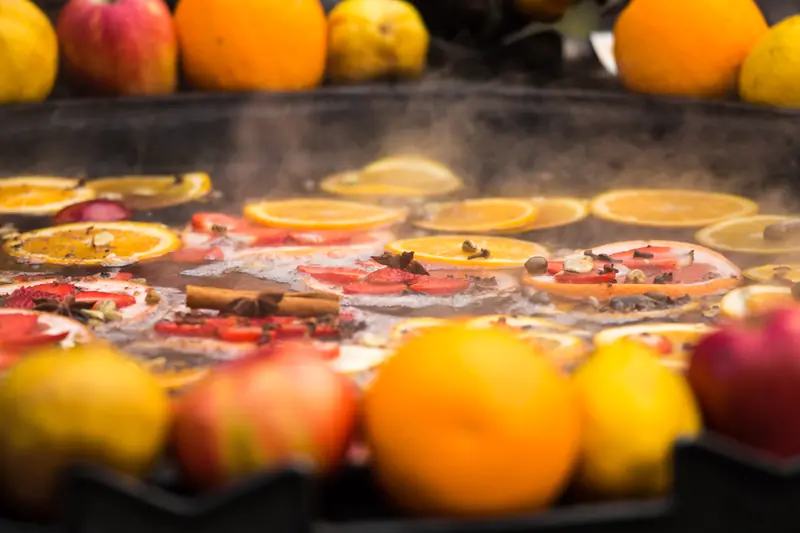
End-of-term presents that smelled of cinnamon
Every December my class gives me little homemade things. The one I kept for years was a jam jar of cinnamon sticks tied with red wool, wrapped by a seven-year-old in half a roll of tape. The whole staffroom smelled of it until spring. It's the only present I…
mags.lavender That's lovely. Children put a lot of thought into a smell without ever saying so.
kemi.cocoain Giving Fragrance · London ·
ChallengeChallenge: one smell memory in every card
Small challenge for the season, from a teacher who writes thirty cards a year: in each card, put one smell you share with that person. The bakery on the corner, the cinnamon in her kitchen, the rain on the walk to school. It costs nothing, and it's the line…
priya.cardamomin Learning to Smell · Toronto ·
Challenge
Thread of the week: five spice jars, lids off
Thread of the week: the spice cupboard, smelled blind. Toronto has turned cold and the chai pot hasn't left the stove, so this one felt right. 1) Ask someone to pick five jars without showing you the labels. 2) Lids off, one at a time, a few centimetres from…
dex_in_brooklyn cumin got me. i said sweaty gym bag and my roommate nearly 86'd me from the kitchen. your going to laugh, i cook with it every night
harriet.hayin Seasons & Celebrations · Bristol ·
Exercise
Mulling spices on a saucer, before any wine
Here's an easy one while the evenings draw in. Before anyone makes mulled wine or mulled apple juice this year, put the spices on a saucer one by one: a cinnamon stick, a few cloves, one star anise, a strip of orange peel, a sliver of nutmeg if you have it.…
dex_in_brooklyn warm star anise took over the whole saucer. your cinnamon stick needs snapping or it says nothing
priya.cardamomin Welcome to the Club · Toronto ·
ChallengeYour street, your kitchen, your pocket: three smells
Thread of the week: introduce yourself with three smells. No perfume names, just the smells. 1) one from your street 2) one from your kitchen 3) one from your coat pocket Mine: wet maple leaves on the sidewalk, cardamom pods splitting in a hot pan, and a…
harriet.hay Bonfire smoke from the allotments, toast, and a conker, which smells of nothing at all and lives in my pocket anyway. Shout if you get stuck.
rafa_azaharin Seasons & Celebrations · London ·
Memory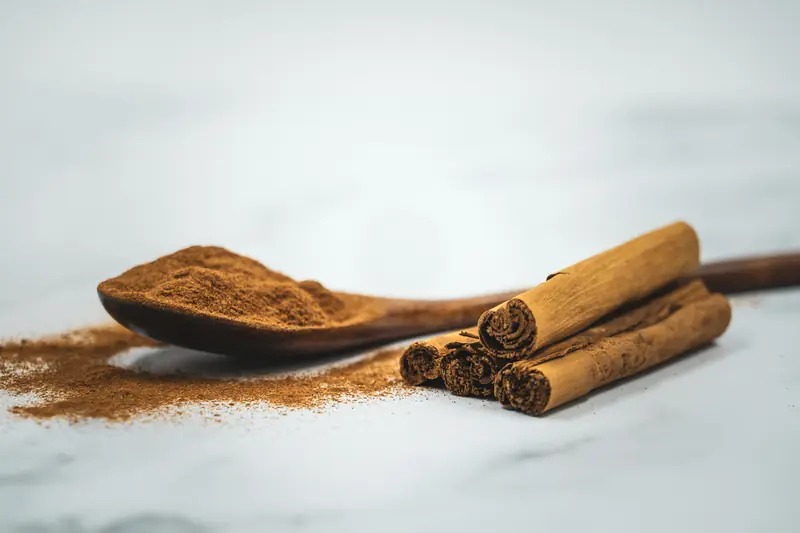
Toasting flour for polvorones in my mother's kitchen
Hello friends, in my mother's house the Christmas starts weeks early, when she toasts the flour for the polvorones in a big pan. The flour goes from no smell to biscuit to almost hazelnut, and then the almonds and the cinnamon go in. In London I tried in my…
dario.bergamot In Reggio my nonna made mostaccioli with honey. Different biscuit, same kitchen too warm to stand in.
In the Classes
Class no. 8 · 8 min read
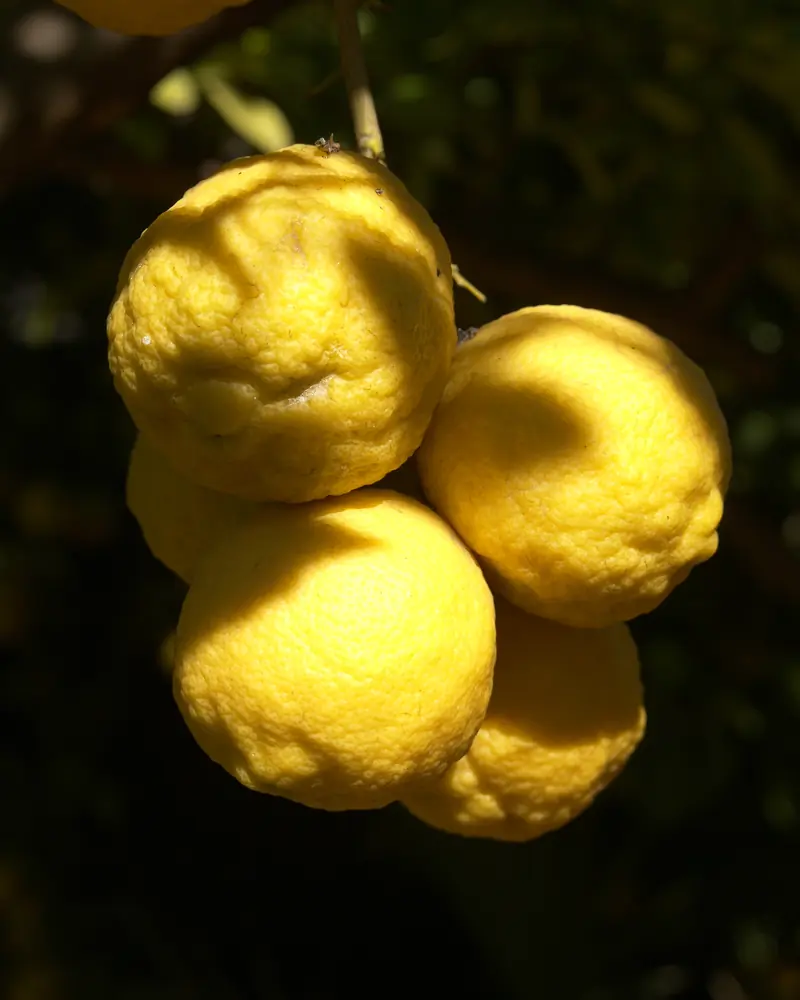
Training your nose: learning to smell with your kitchen cupboard
Training your nose means smelling often, in pairs, and putting a word to each smell: research shows that recognising odours is a skill that improves with practice. By the end of this class you will know how to use a blotter, run a blind test with your spice rack and look after your nose when it gets tired.

Class no. 21 · 6 min read
The scents of Christmas: spice, orange, pine and why they move us
The scents of Christmas come from a handful of materials, cinnamon, cloves, orange, pine, candle wax and honey, that many people have met every December since childhood; and the memories a smell brings back tend to be early and emotional. By the end of this Class you'll be able to pick them out one by one, say what carries each smell, and explain why they bring memories back.