Fragrance family
Florals: the fragrance family of flowers and bouquets
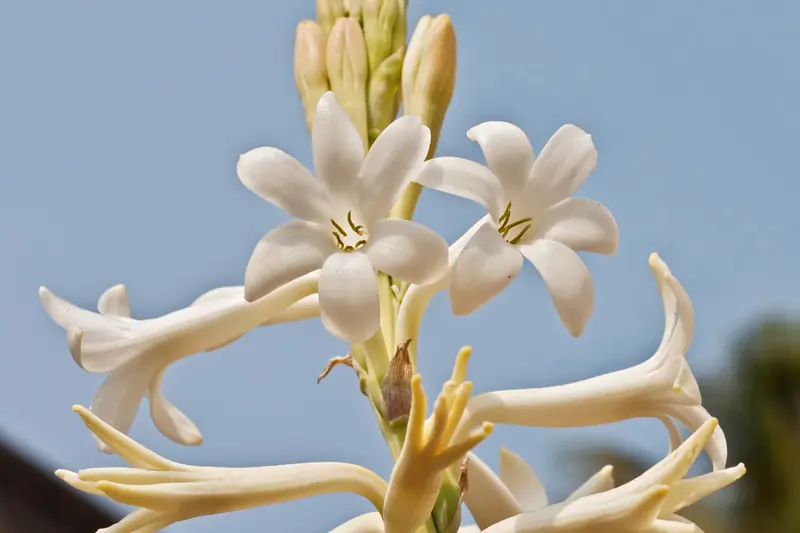
The floral fragrance family gathers perfumes whose main theme is a flower or a bouquet, such as rose, jasmine, lily of the valley or tuberose. Florals range from the soliflore, built around a single bloom, to bouquets lifted by aldehydes or fruit.
What does the floral family cover?
The floral family covers every perfume whose main theme is a flower or a floral bouquet. The olfactory family classification of the Société Française des Parfumeurs (text in French) names jasmine, rose, lily of the valley, violet, tuberose and narcissus as its reference flowers. A perfume flower is not always a distilled one: the French perfumers' society's history of perfume (in French) credits the chemist Tiemann with ionone, the synthetic scent of violet, in 1898.
Which sub-families does the floral family include?
The French classification lists nine floral sub-families: soliflore, musky floral, floral bouquet, aldehydic floral, green floral, fruity woody floral, woody floral, marine floral and fruity floral. The soliflore, a single flower rebuilt by the perfumer, is described there as the beginning of modern perfumery. Green florals owe their bite to galbanum or cut-grass notes, and fruity florals grew from 1995 onward with apricot, raspberry, lychee or pear.
Which materials make a floral?
Floral materials are flowers first: rose, jasmine, creamy, heady tuberose, orange blossom, powdery violet or lily of the valley. Orris, powdery and a little earthy, comes from the iris root rather than the flower. Aldehydes, synthetic molecules, give some bouquets their soapy sparkle.
Which landmarks shaped the floral family?
Florals grew up in the fields around Grasse. The French perfumers' society notes that in the 17th century, alongside large orange plantations in the Grasse area, growers multiplied crops of rose, carnation, tuberose, violet and jasmine. In the 20th century aldehydes opened another path. Wikipedia's history of Chanel No. 5 says the perfume launched in 1921 with a formula compounded by Ernest Beaux, who used aldehydes as aroma boosters, and that its "core aldehydic floral character has been preserved" across later versions.
How do you recognize a floral on skin?
A floral perfume shows itself mostly in the heart, once the opening has passed: the impression of one flower or a bouquet settles in and stays. As the Wikipedia overview of perfume families puts it, a single floral is dominated by one flower, while a floral bouquet is a compound of several. If the opening fizzes like soap lather, think aldehydes; if it smells of a snapped stem, think green floral. The Florals & Bouquets circle shares these recognition exercises.
Notes in this family
Orange blossom Rose Jasmine Orris Tuberose Ylang-ylang Violet Mimosa Lily of the valley Osmanthus Magnolia Geranium Blackcurrant bud Aldehydes Hedione
Further reading
- Les Familles Olfactives, Société Française des Parfumeurs (text in French) sfp-parfumeurs.com
- Histoire du parfum, Société Française des Parfumeurs (text by Annick Le Guérer, in French) sfp-parfumeurs.com
- Chanel No. 5, Wikipedia en.wikipedia.org
- Perfume, Wikipedia (Olfactive families) en.wikipedia.org
In the feed
What makes a smell read as clean?orla.citrus · My granny's dressing table bottle with no namemaeve.moss ·
Step outside to smell the potted jasmine againjuniper_jules ·
My granny's dressing table bottle with no namemaeve.moss ·
Step outside to smell the potted jasmine againjuniper_jules ·
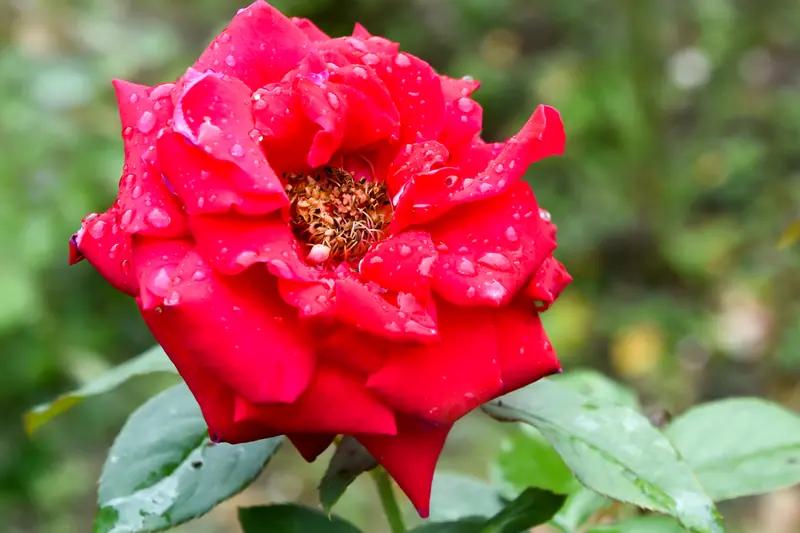 Rose water, cardamom and every family weddingmo_from_leicester ·
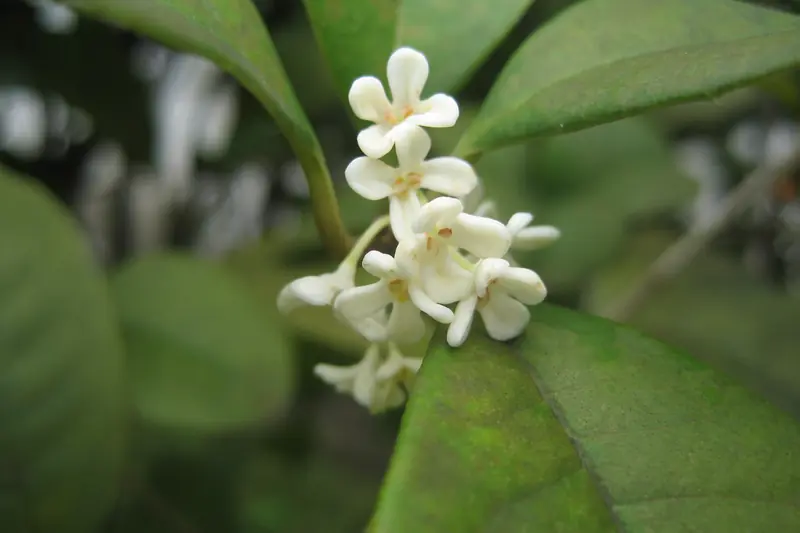 Osmanthus outside a Vancouver tea shop smells of apricothana.neroli ·
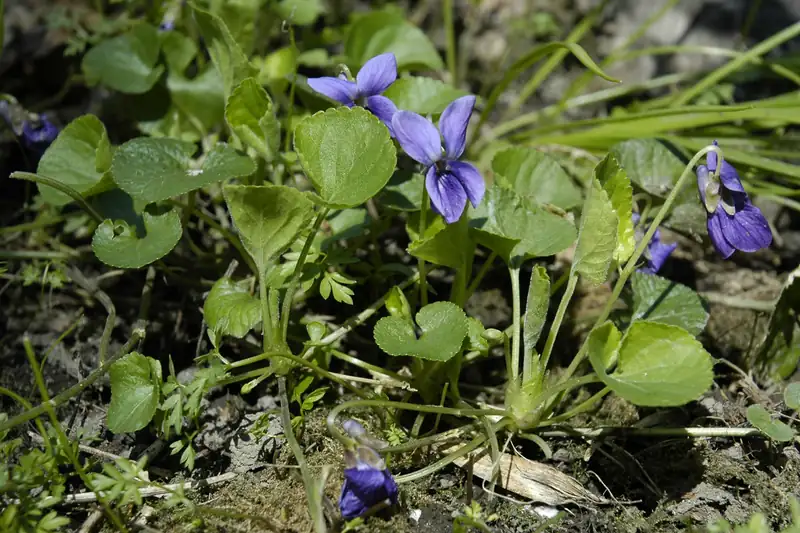 Orris root smells nothing like the iris floweringrid_berlin ·
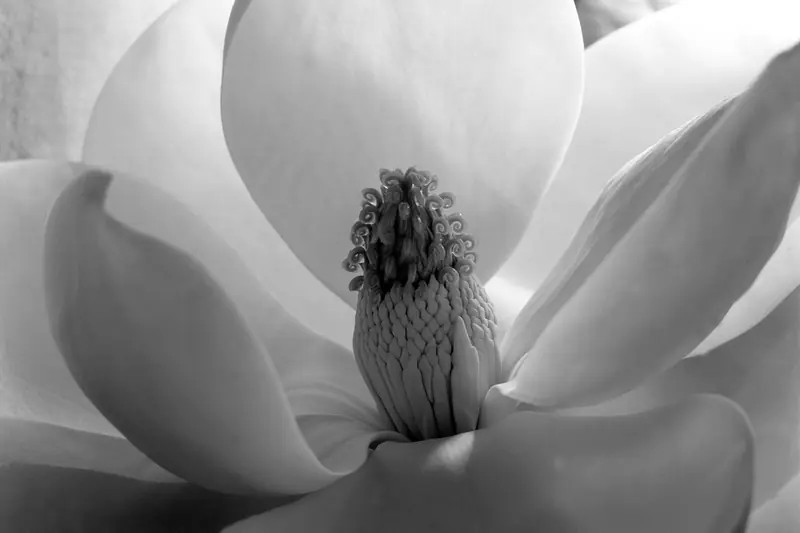 One candle by the bath, rain on the skylightimogen.magnolia ·
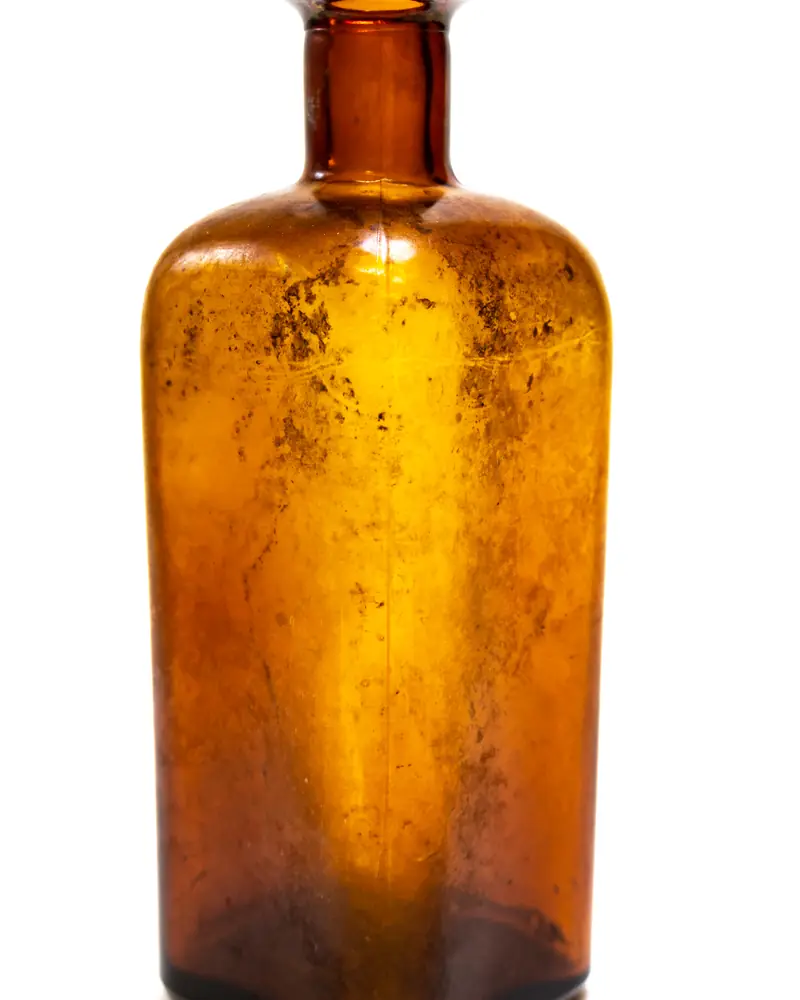 Grasse museum or the Osmothèque, with one weekend?cormac.bog ·