Vanillin: the molecule of vanilla, first synthesised in 1874
Vanillin is the molecule that dominates the smell of vanilla, sweet and balsamic, and chemists have been able to make it since 1874. Almost all the vanillin used today is synthetic.
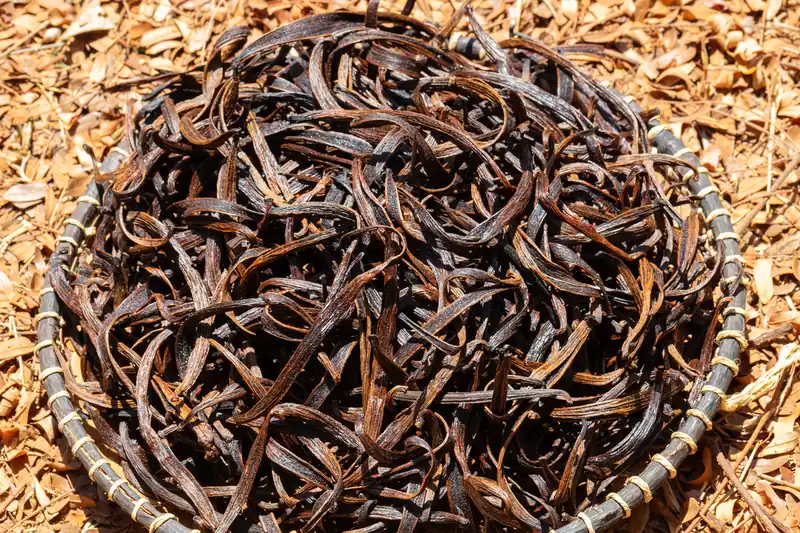
Where does vanillin come from?
Vanillin, or 4-hydroxy-3-methoxybenzaldehyde, is a phenolic aldehyde and the main flavour compound of cured vanilla pods, where it makes up about 2% of the dry weight. According to Wikipedia's vanillin article, Théodore Nicolas Gobley first isolated it in relatively pure form in 1858; in 1874 Ferdinand Tiemann and Wilhelm Haarmann worked out its structure and a synthesis from coniferin, found in pine bark, and in 1876 Karl Reimer made it from guaiacol.
Today about 85% of vanillin is synthesised from the petrochemicals guaiacol and glyoxylic acid, and about 15% still comes from lignin, a by-product of papermaking. Other routes start from clove oil eugenol or from ferulic acid, using microbes.
What does vanillin smell like?
Vanillin smells sweet, balsamic and vanilla-like, but simpler than a real pod, which holds many other compounds. Its close relative, ethylvanillin, gives a stronger note; the French Wikipedia page on vanillin puts it at two to four times more powerful.
What does vanillin do in a perfume?
Vanillin changed perfume history: in 1889, Jicky, composed by Aimé Guerlain, folded coumarin and synthetic vanillin into the fougère accord of lavender, coumarin and oakmoss. Since then, the vanilla effect in amber and gourmand fragrances has often rested on vanillin, alongside vanilla, coumarin and tonka bean.
What should you know about vanillin?
Vanillin is now one of the fragrance allergens that Regulation (EU) 2023/1545 requires on EU cosmetic labels. For the wider story of the molecules that reshaped perfumery, from coumarin to Iso E Super, read our class on natural versus synthetic.
Often paired with
Further reading
- Vanillin (Wikipedia) en.wikipedia.org
- Vanilline (Wikipédia) fr.wikipedia.org
- Fougère (Wikipedia) en.wikipedia.org
- Vanille (Wikipédia) fr.wikipedia.org
- Commission Regulation (EU) 2023/1545 of 26 July 2023 amending Regulation (EC) No 1223/2009 of the European Parliament and of the Council as regards labelling of fragrance allergens in cosmetic products eur-lex.europa.eu
Vanillin in the feed
aunty_valin History, Bottles & Houses · Liverpool ·
QuestionWere old perfumes all natural before chemistry?
I always thought the old scents my mother wore were all flowers, nothing made in a lab. Is that right?
carys.cardiff Not quite. The encyclopedia entry on Jicky says Guerlain released it in 1889, created by Aimé Guerlain, and that it was an early user of synthetic…
hamish_heatherin Ambers, Spices & Gourmands · Edinburgh ·
Challenge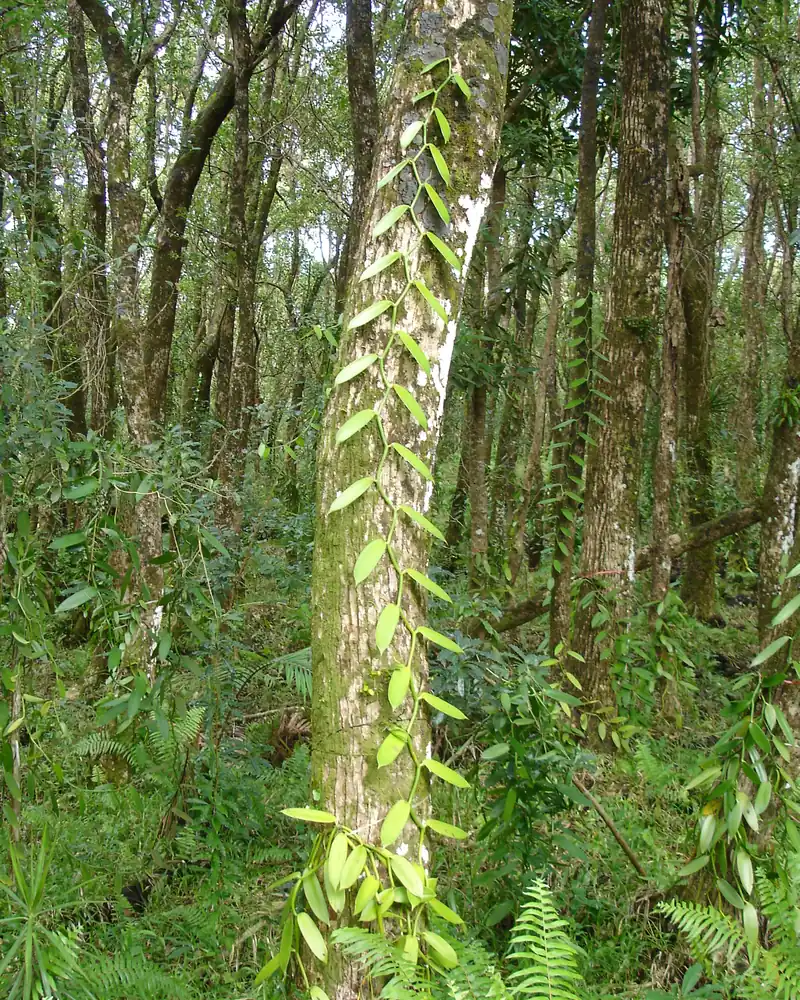
Describe vanilla without the word sweet
Aye, here's a wee challenge. In the shop, folk who come in call half the casks 'vanilla' and stop there, as if the word did the job. Split a vanilla pod or open your extract and describe it without saying sweet. It's dreich outside, so I've had time: damp…
dex_in_brooklyn wet tobacco and the inside of a cigar box. you're not getting sweet out of me
dex_in_brooklynin Learning to Smell · New York ·
Memory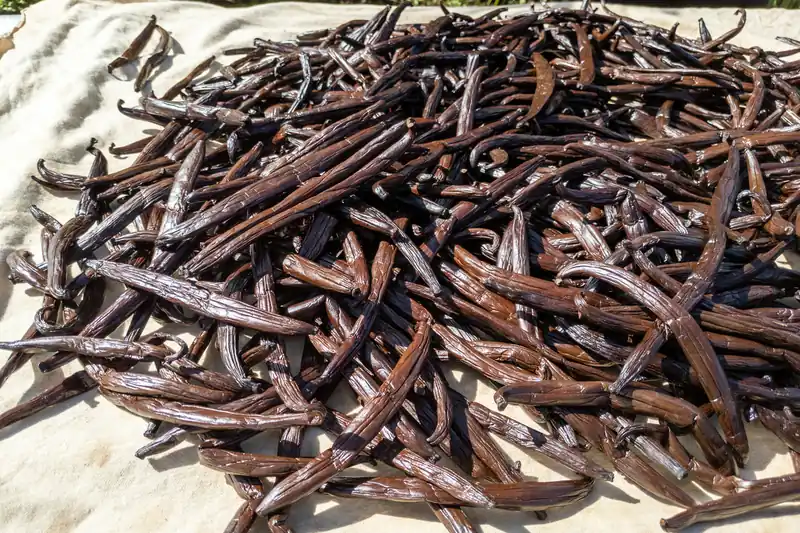
Splitting my first real vanilla pod
ok so first week on the line the pastry cook made me split a real vanilla pod and smell it next to a bottle of imitation vanilla from the baking aisle. the pod was boozy and smoky, the bottle was just sweet. your never the same after
nell.wattle The Wikipedia page on vanillin says it's the main flavour compound of vanilla, and that most synthetic vanillin today is made from guaiacol, a…
carys.cardiffin Everyday Smells · Cardiff ·
Memory
The library stacks once the heating comes on
The heating came on in the library and the old stacks woke up. Warm dust, a sweetish note, something like almonds and toast. Every autumn it takes me straight back to my first day as a volunteer there.
kit.clove Paste, old leather and paper dust is my whole working day. The sweet note is my favourite part.
In the Classes
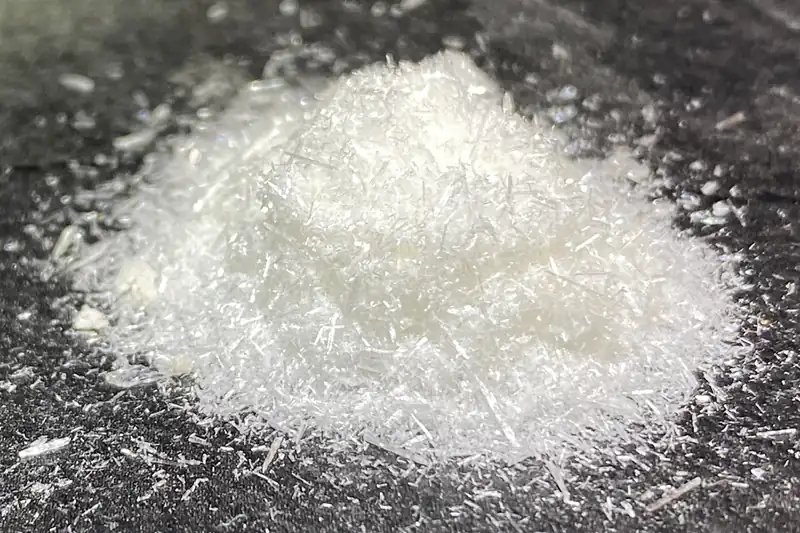
Class no. 4 · 6 min read
Natural vs synthetic fragrance: what chemistry gave perfume
Since the 1860s, perfumery has mixed natural materials with synthetic molecules, and neither is better or safer by default. You'll be able to date the molecules that changed perfume, from coumarin to Iso E Super, and read the word natural on a label without reading too much into it.
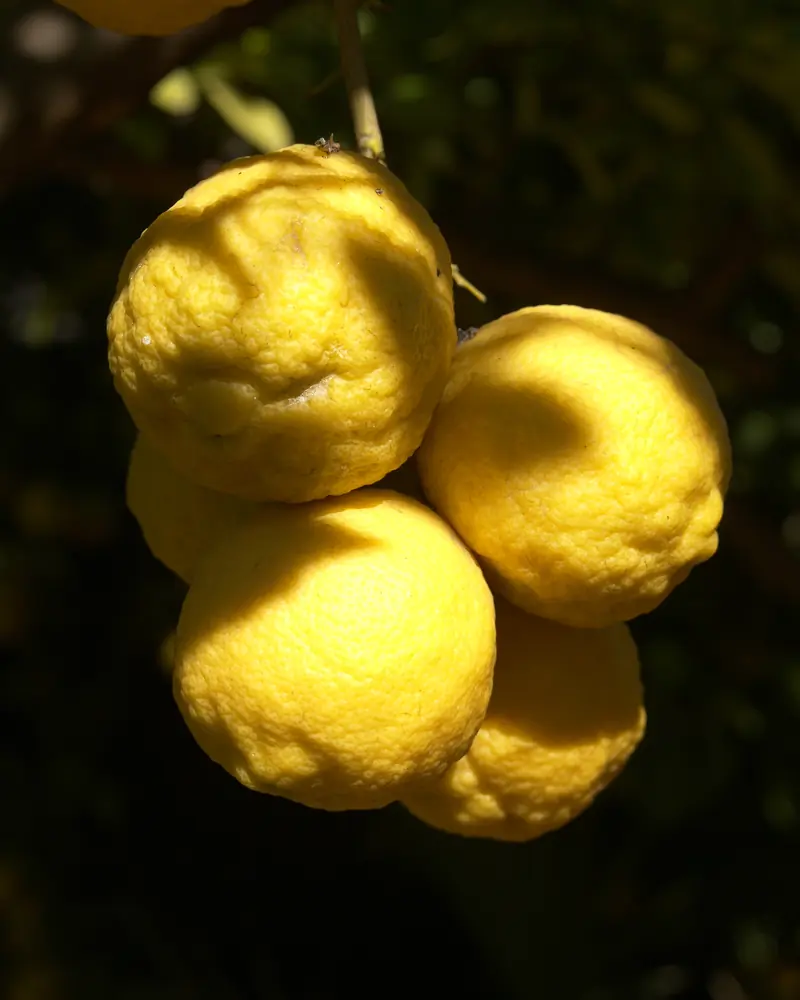
Class no. 8 · 8 min read
Training your nose: learning to smell with your kitchen cupboard
Training your nose means smelling often, in pairs, and putting a word to each smell: research shows that recognising odours is a skill that improves with practice. By the end of this class you will know how to use a blotter, run a blind test with your spice rack and look after your nose when it gets tired.
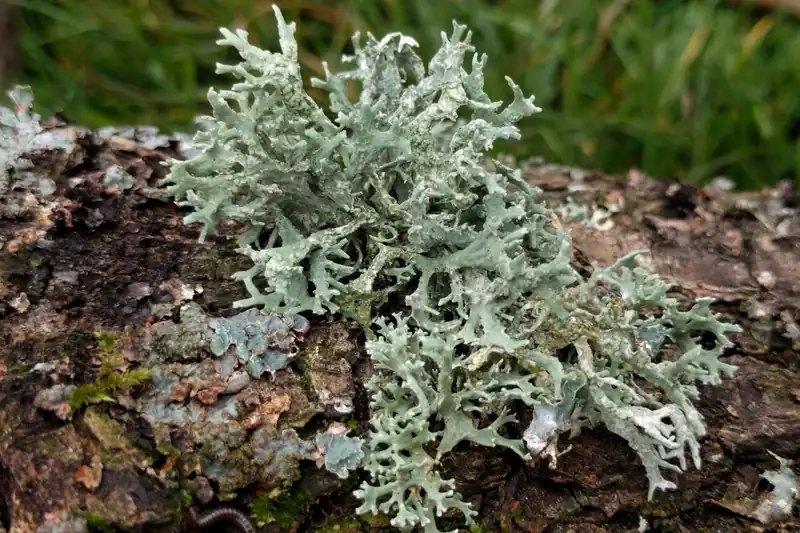
Class no. 22 · 7 min read
Reading a perfume label: ingredients, allergens, batch codes, symbols
A perfume label reads in four parts: the ingredient list with "parfum" and the named allergens, the batch code, the symbols about shelf life, and the concentration, which the EU cosmetics regulation puts no number on. You will know what each detail tells you, what it is allowed to leave out, and how labels differ in the EU, the US and Canada.