Vanilla: the cured orchid pod that softens a perfume base
Vanilla is the cured fruit of an orchid, Vanilla planifolia, with a sweet, balsamic smell led by vanillin. In perfume it appears as a base note, very often carried by synthetic vanillin.
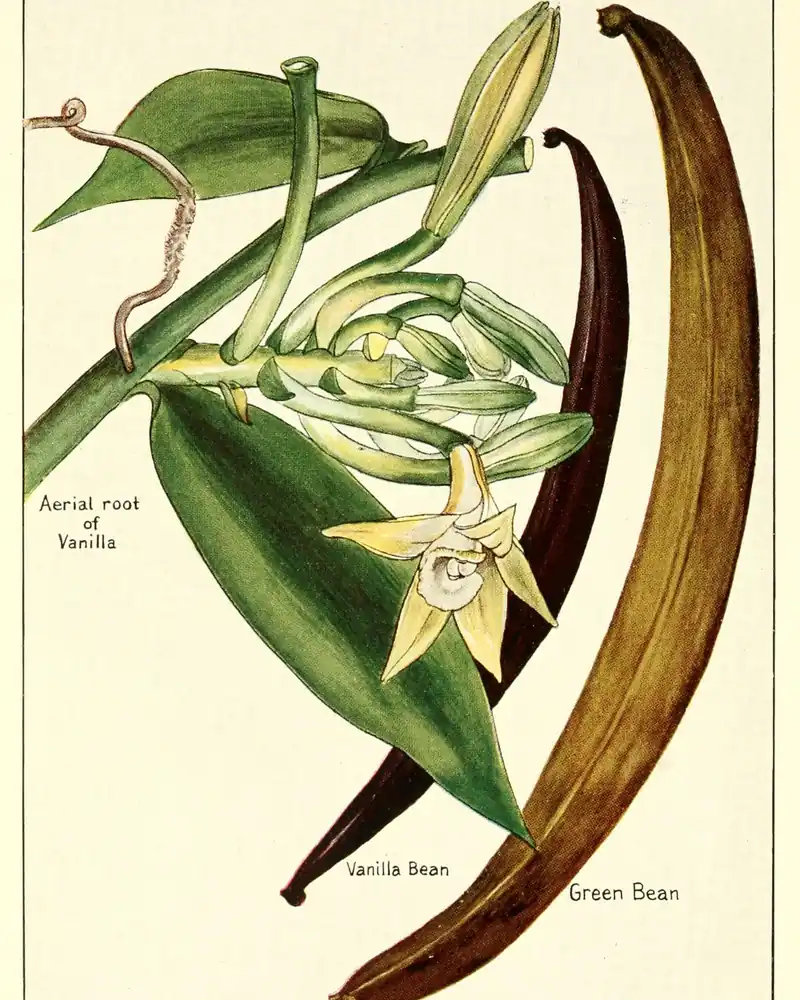
Where does vanilla come from?
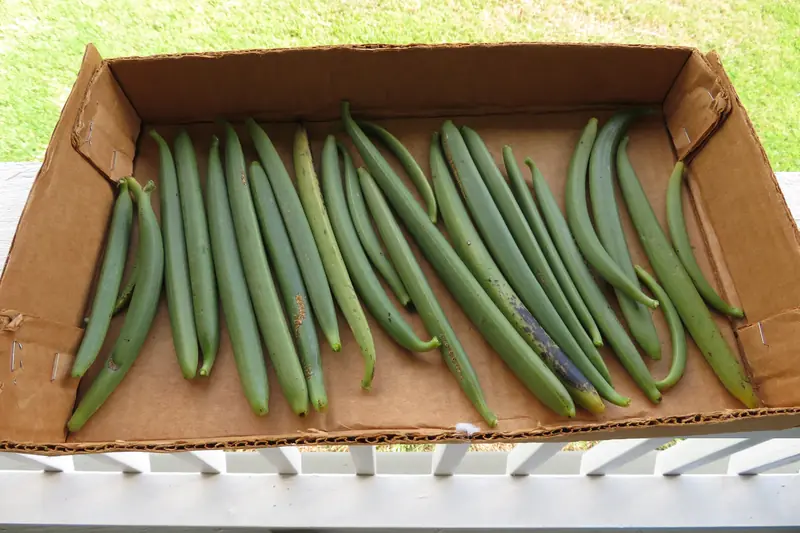
Vanilla comes from orchids of the genus Vanilla, above all Vanilla planifolia, which grew wild around the Gulf of Mexico before it was domesticated. According to Wikipedia's vanilla article, Madagascar and Indonesia together produce two-thirds of the world's supply. Outside its native range the flower has to be pollinated by hand, a method discovered in 1841 on Réunion by Edmond Albius, a 12-year-old enslaved child, and still used today.
Fresh pods are then cured in four basic steps: killing, sweating, slow drying and conditioning. The French Wikipedia entry on vanilla details one method: three minutes in water at 65 °C, a sweating stage under wool blankets that turns the pod black, then about eight months of conditioning in wooden trunks.
What does vanilla smell like?
Vanilla's smell is led by vanillin, but vanillin is only one of 171 aromatic components identified in real vanilla fruit. That complexity is what separates natural vanilla from a pure vanillin note.
What does vanilla do in a perfume?
Vanilla has appeared as a base note in perfume since at least the eighteenth century. Since the late nineteenth century, synthetic vanillin has usually carried most of the vanilla effect, with natural vanilla valued for the roundness it adds. You will meet it in the amber family beside tonka bean, benzoin and labdanum, and in gourmand fragrances.
What should you know about vanilla?
Natural vanilla supplies only a sliver of the vanilla scent in circulation: the French Wikipedia figures on vanilla and vanillin put world vanillin production at 12,000 to 15,000 tonnes a year, against less than 50 tonnes of natural vanillin. To follow the move from pod to molecule, read our class on natural versus synthetic.
Often paired with
Further reading
- Vanilla (Wikipedia) en.wikipedia.org
- Vanille (Wikipédia) fr.wikipedia.org
- Perfume (Wikipedia) en.wikipedia.org
- Amber (Wikipedia) en.wikipedia.org
Vanilla in the feed
hamish_heatherin Ambers, Spices & Gourmands · Edinburgh ·
Challenge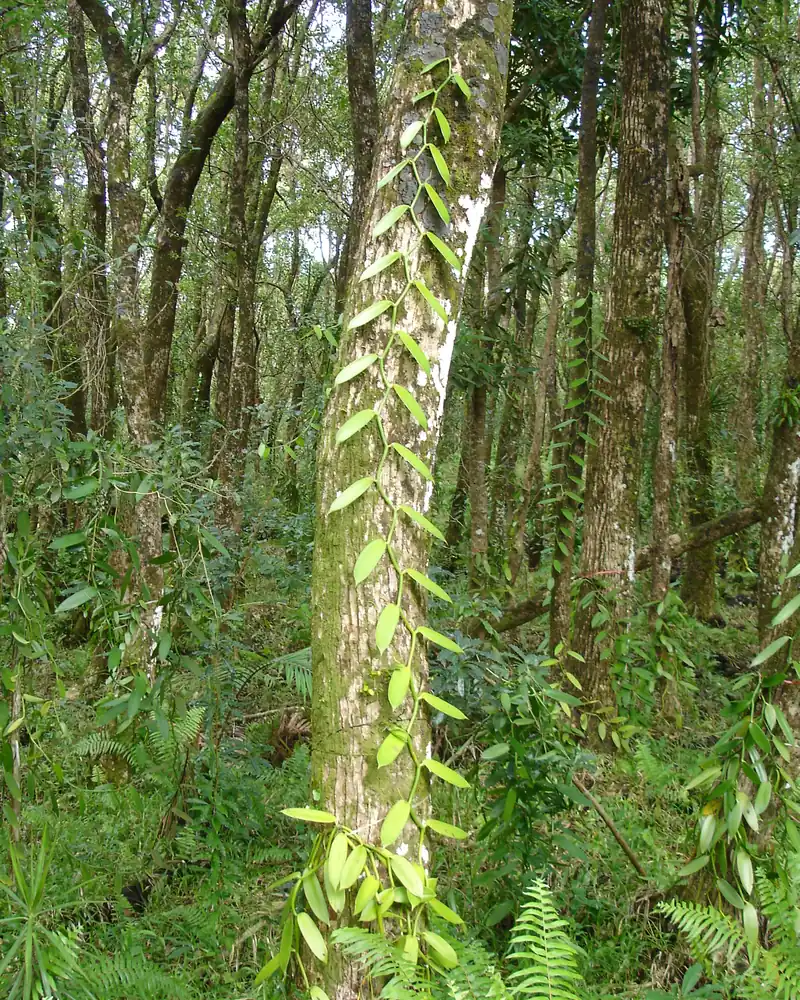
Describe vanilla without the word sweet
Aye, here's a wee challenge. In the shop, folk who come in call half the casks 'vanilla' and stop there, as if the word did the job. Split a vanilla pod or open your extract and describe it without saying sweet. It's dreich outside, so I've had time: damp…
dex_in_brooklyn wet tobacco and the inside of a cigar box. you're not getting sweet out of me
aroha.rainin Ambers, Spices & Gourmands · Wellington ·
QuestionWhat does benzoin actually smell like?
Kia ora, benzoin keeps popping up in the amber threads and I've got no idea what its like. Sweet? Smoky? Piney? Nothing like it in the bush round here as far as I know.
kit.clove Warm vanilla with a bit of dust, to me. Like the paste pot in the bindery on a cold morning.
harriet.hayin Welcome to the Club · Bristol ·
Tip
Before you buy anything, open the spice cupboard
A tip for everyone who's joined this autumn, because the same question keeps coming up: what should I buy first? Nothing, honestly. Open the spice cupboard and the fruit bowl. Smell cinnamon next to clove, a lemon next to an orange, a vanilla pod if you have…
mags.lavender Lovely tip, Harriet. I did lavender from the garden next to a sprig of rosemary and learned alot in ten minutes.
dex_in_brooklynin Learning to Smell · New York ·
Memory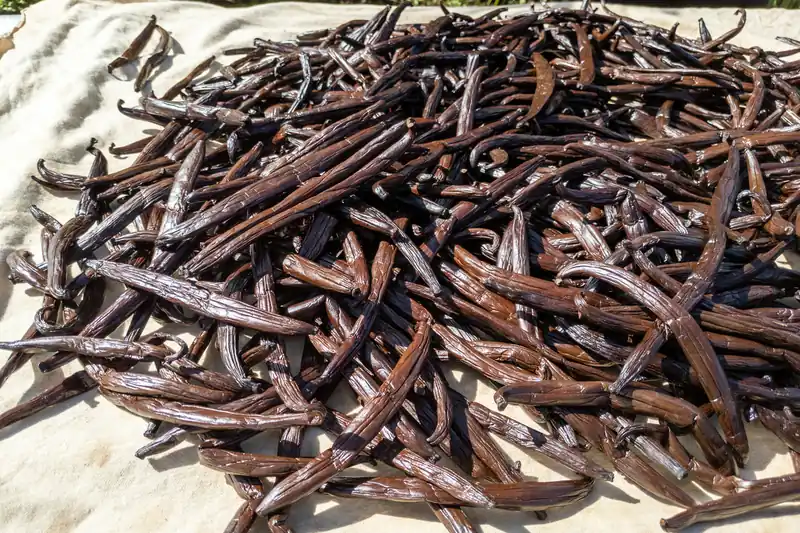
Splitting my first real vanilla pod
ok so first week on the line the pastry cook made me split a real vanilla pod and smell it next to a bottle of imitation vanilla from the baking aisle. the pod was boozy and smoky, the bottle was just sweet. your never the same after
nell.wattle The Wikipedia page on vanillin says it's the main flavour compound of vanilla, and that most synthetic vanillin today is made from guaiacol, a…
joon.yuzuin Learning to Smell · Seattle ·
Scent diaryCardamom and vanilla on strips, checked all day
TL;DR: the cardamom strip was gone by dinner, the vanilla was still there at breakfast. Did the blotter exercise from the Class on top, heart and base notes with kitchen stuff: - a crushed cardamom pod rubbed on one strip - a drop of vanilla extract on…
orla.citrusin Citrus & Fresh · Belfast ·
QuestionWhy lemon is gone from my strip by lunch
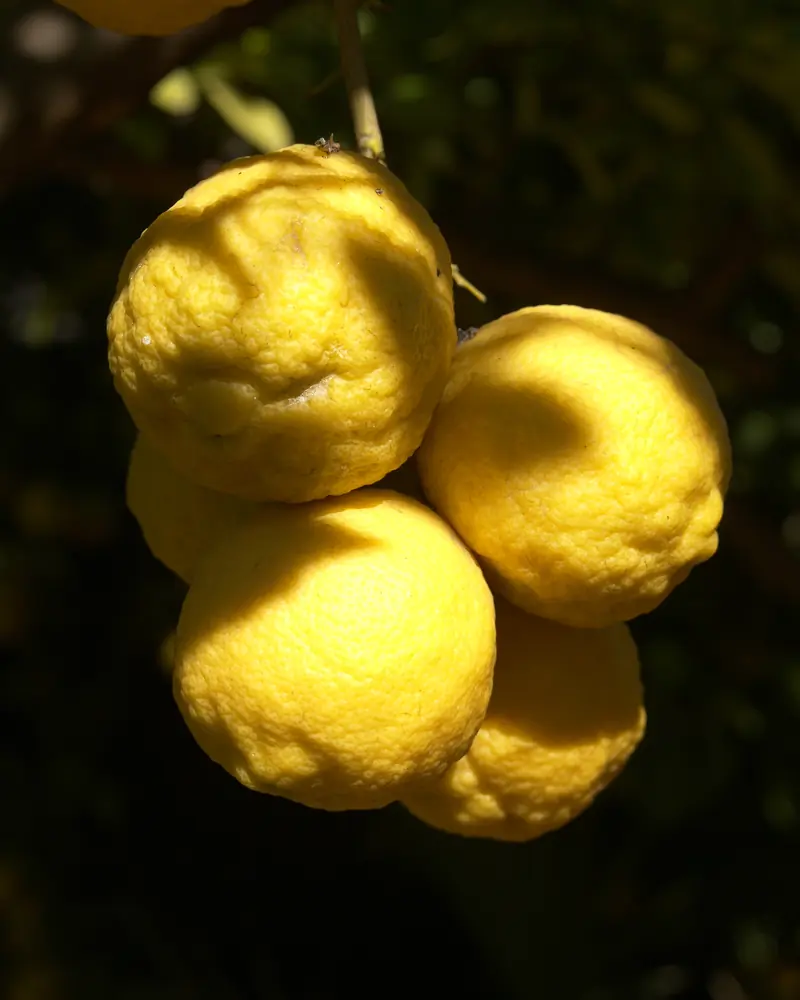
Dabbed a strip with lemon extract from the baking cupboard this morning and by lunch it was gone. Why does lemon leave so fast?
joon.yuzu Lemon is all top note. Wikipedia's article on perfume notes puts citrus among the small, volatile molecules you smell first and lose first.
In the Classes
Class no. 1 · 6 min read
The seven fragrance families: how French perfumers sort scent
French perfumers sort fragrances into seven families, following the Société Française des Parfumeurs: citrus, florals, fougères, chypres, woody, ambers and leathers, each split into sub-families. You'll be able to place a scent on that map, translate it into the Fragrance Wheel used in shops, and spot where a family label stops helping.
Class no. 8 · 8 min read
Training your nose: learning to smell with your kitchen cupboard
Training your nose means smelling often, in pairs, and putting a word to each smell: research shows that recognising odours is a skill that improves with practice. By the end of this class you will know how to use a blotter, run a blind test with your spice rack and look after your nose when it gets tired.