Fragrance family
Chypres: the fragrance family of oakmoss and bergamot
The chypre fragrance family gathers perfumes built on a contrast between a fresh bergamot opening and a base of oakmoss, labdanum and patchouli. It takes its name from Chypre, the perfume François Coty released in 1917.
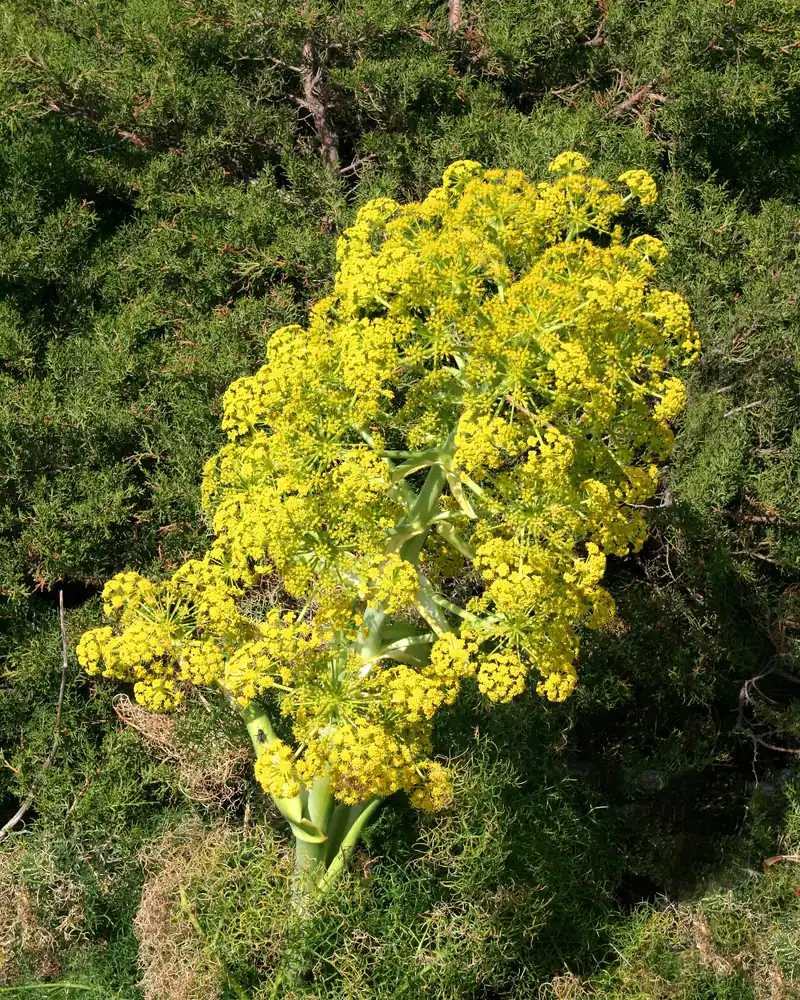
Where does the name chypre come from?
Chypre is French for Cyprus, but the family is named after a perfume. The French perfumers' society classification of olfactory families (text in French) explains that François Coty gave the name to his creation on its release in 1917, and that its success made it the head of a family built on oakmoss, labdanum, patchouli and bergamot. The word is older: Wikipedia's article on chypre mentions an oakmoss powder known as poudre de chypre in the 16th century, and an Eau de Chypre by Guerlain in 1840.
Which sub-families does the chypre family include?
The French classification counts seven sub-families: chypre, fruity chypre, aldehydic floral chypre, leather chypre, aromatic chypre, green chypre and floral chypre. Fruity chypres add peach, mirabelle plum or tropical fruit. Green chypres set an opening of cut grass and crushed leaves against a warm base, while leather chypres bring smoke, burnt wood and animal notes.
Which materials make a chypre?
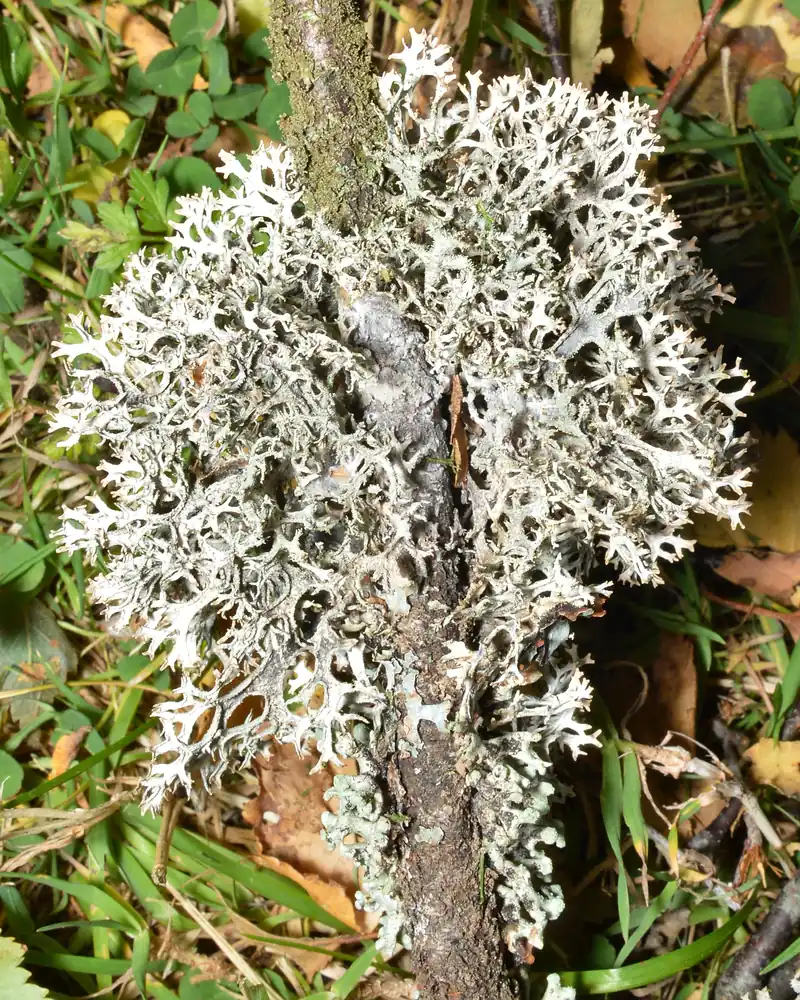
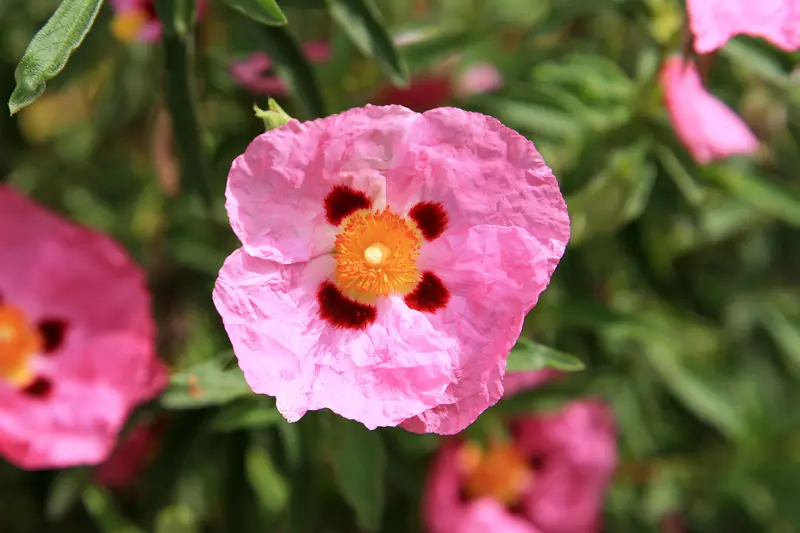
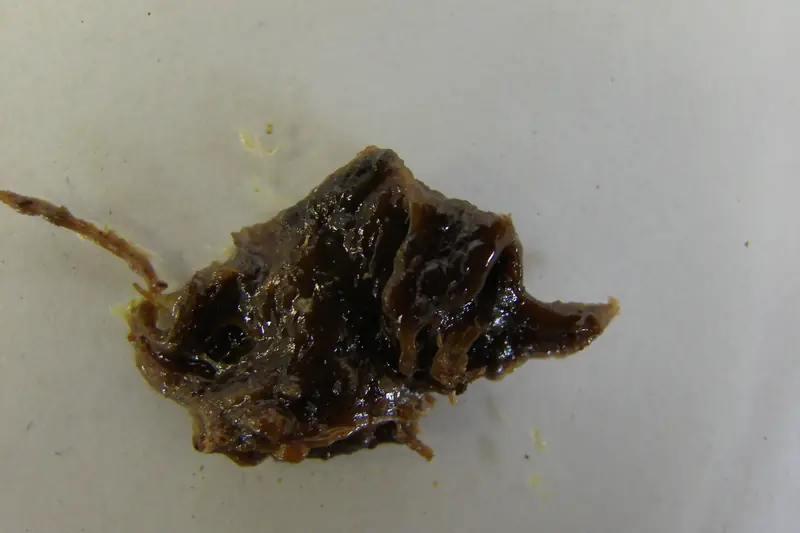
Oakmoss, a lichen that smells of the forest floor, is the chypre signature. Labdanum, the warm resin of the rockrose, and earthy, camphor-like patchouli support it, while intensely green galbanum marks green chypres. Wikipedia lists the accord as citrus, labdanum, oakmoss, patchouli and musk, often enhanced with rose and jasmine, and notes that Coty's 1917 Chypre is now preserved at the Osmothèque.
Why has oakmoss changed?
Oakmoss lost two of its components under EU cosmetics law. Commission Regulation (EU) 2017/1410 on cosmetic products adds atranol and chloroatranol, natural components of oakmoss extracts, to the list of banned substances; cosmetics containing them could no longer be placed on the EU market from 23 August 2019. Wikipedia also notes that the formula of the original Miss Dior, a floral chypre, was later changed, likely because of oakmoss.
How do you recognize a chypre on skin?
A chypre shows itself through light and shade: a bright citrus opening, then a dark, mossy base. Wikipedia describes "a certain bitterness in the drydown from the oakmoss and patchouli", and that contrast stays noticeable even when flowers or fruit fill the heart. To hear it, smell bergamot on its own, then a chypre: what remains once the citrus fades is the family's signature.
Notes in this family
Further reading
- Les Familles Olfactives, Société Française des Parfumeurs (text in French) sfp-parfumeurs.com
- Chypre, Wikipedia en.wikipedia.org
- Commission Regulation (EU) 2017/1410 of 2 August 2017, EUR-Lex eur-lex.europa.eu
In the feed
My late husband's aftershave started all thisbev.boston · Is patchouli a wood or a leaf?sinead.smoke ·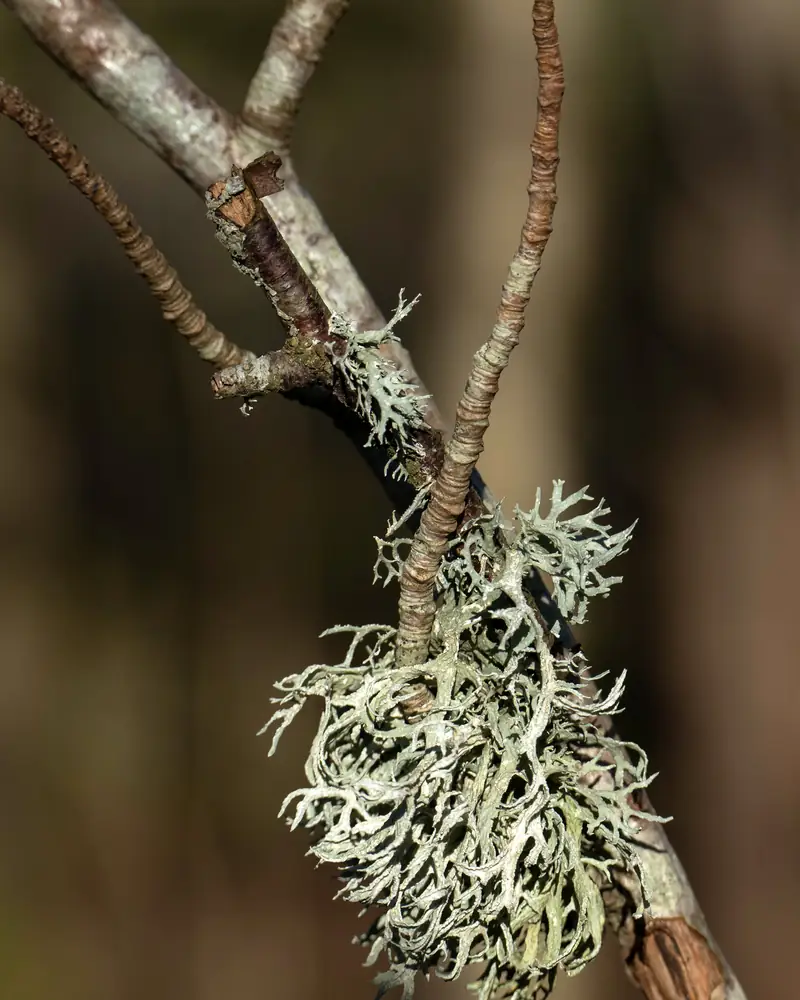 Bog road after the rain, wet stone and mossmaeve.moss ·
 What was in my late husband's aftershave?bev.boston ·
 Labdanum, sticky like a glove by the stoveash.and.ember ·
Why is real oakmoss so restricted?wren.and.moss ·
Where oakmoss sits: two family maps comparedjuniper_jules ·
Labdanum, sticky like a glove by the stoveash.and.ember ·
Why is real oakmoss so restricted?wren.and.moss ·
Where oakmoss sits: two family maps comparedjuniper_jules ·
 Galbanum and green chile roasting seasonlupe.pinon ·