Leather: the smoky, animalic accord that perfumers build
Leather, in perfumery, is an accord that recalls the smell of tanned hide, not a material taken from leather. Perfumers build it from smoky birch tar, molecules such as isobutyl quinoline and animalic notes.
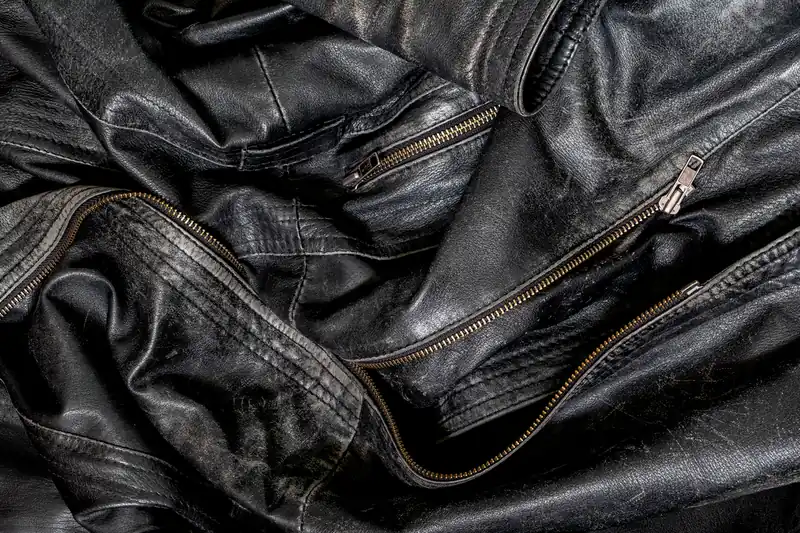
What is the leather accord made of?
A leather accord rests on smoky, tarry materials. Wikipedia's article on birch bark tar describes rectified birch tar as a base note that gives fragrances a leathery, smoky edge, typically used together with castoreum and isobutyl quinoline. Castoreum, an alcohol tincture made from the dried castor sacs of beavers, is valued for its leather-like note; the French Wikipedia entry adds that its use keeps falling because extraction kills the animal, and that chemistry now offers a synthetic equivalent. The French Wikipedia article on perfume also lists labdanum and honey or tobacco accords among the ingredients.
Where does the idea of a leather scent come from?
Leather scents grew out of scented leather. From the 16th century, Peau d'Espagne, a blend of flower and spice oils with civet and musk, was used to scent leather; since 1910 it has also been worn as a perfume. Russia leather, oiled with birch bark oil after tanning, was a major export of the 17th and 18th centuries, and its distinctive aroma was seen as a mark of quality. Around 1900, birch tar became a specialty perfumery material in its own right.
What does the leather accord smell like?
A leather accord smells smoky, tarry and animalic, with a hint of green. The IFRA Fragrance Ingredient Glossary describes isobutyl quinoline as herbal, powerful and leathery, castoreum as animal-like, leathery and phenolic, and rectified birch tar oil as woody, warm and smoky. It also lists a synthetic nitrile that is spicy, saffron and leathery at once, a bridge between saffron and leather.
Where does leather sit in a perfume?
Leather lives in the heart and base: Wikipedia's perfume article defines the leather family by honey, tobacco, wood and wood tars in the middle or base notes. The leather family is small and often grouped with chypres. The Class on the seven fragrance families places it among the others, and the one on animal notes and their substitutes tells what happened to castoreum.
Often paired with
Further reading
- Birch bark tar en.wikipedia.org
- Castoreum en.wikipedia.org
- Castoréum (French Wikipedia) fr.wikipedia.org
- Peau d'Espagne en.wikipedia.org
- Parfum (French Wikipedia) fr.wikipedia.org
- IFRA Fragrance Ingredient Glossary (April 2020 edition) ifrafragrance.org
- Perfume en.wikipedia.org
Leather in the feed
ambrose_leatherin Home Fragrance & Candles · Northampton ·
Scent diary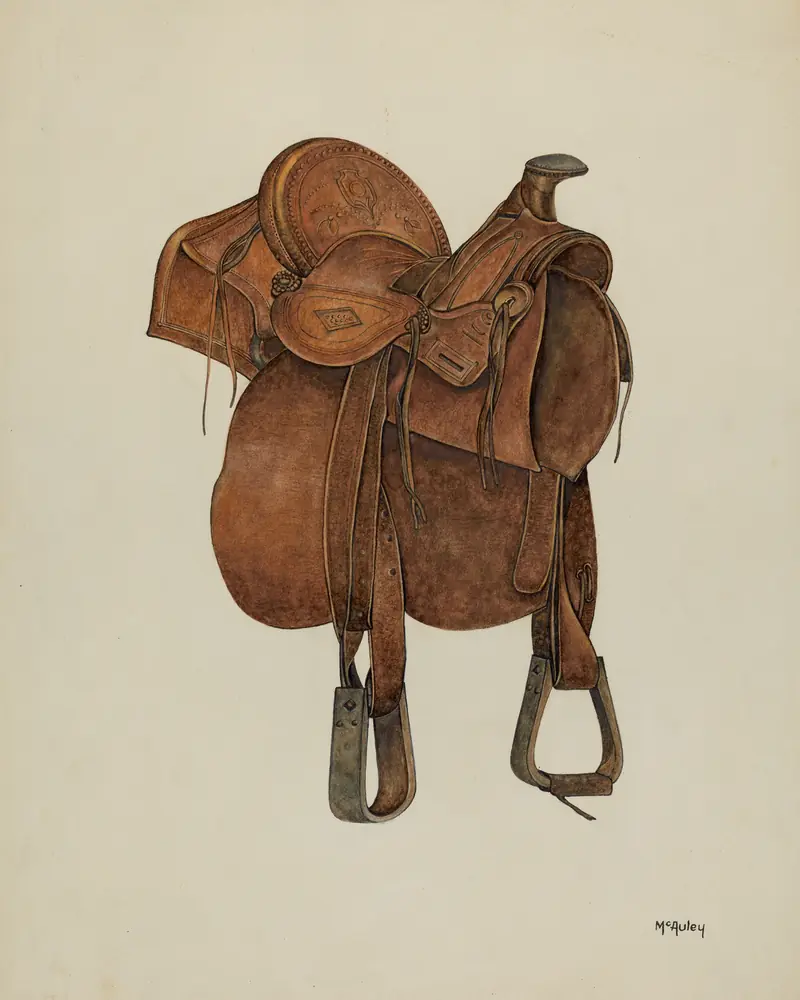
Polishing boots in the back porch on a Sunday
Right then. Sunday job: boots on newspaper in the back porch, a tin of dubbin and a brush. The porch smells of the factory floor for an hour after, wax and hide and a bit of something smoky. Forty years around a good hide and I should have known you never…
sinead.smoke Dubbin and smoke, that's my whole comfort zone in one porch.
ash.and.emberin Woods, Mosses & Roots · Calgary ·
Discovery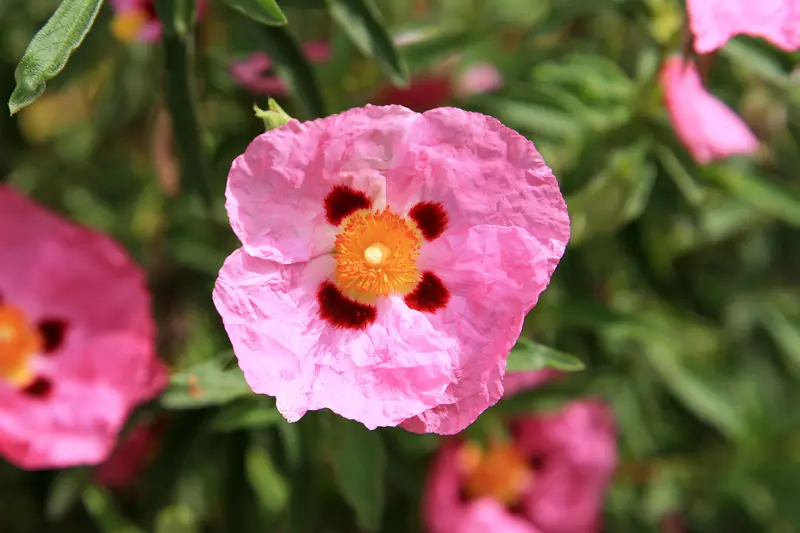
Labdanum, sticky like a glove by the stove
Smelled labdanum for the first time at a friend's place. Thick, dark, sweet, a bit like a leather glove left too close to the woodstove. Nothing like the smoke I know from calls.
ambrose_leather A good hide gone too warm by the stove. I would of known that smell anywhere.
ambrose_leatherin Woods, Mosses & Roots · Northampton ·
Memory
Birch tar and the hides at the factory
Right then. A lady at the autumn craft fair had a tray of smelling strips, and the birch tar one sent me back to the factory floor before I'd put it down. Not every hide smelled like that, only the dark ones for heavy boots, smoky, and it always put me in…
maeve.moss A railway sleeper in the sun and the welt long after the last was out, and I could smell your floor from here, so I could.
sinead.smokein Wearing Fragrance · Limerick ·
Question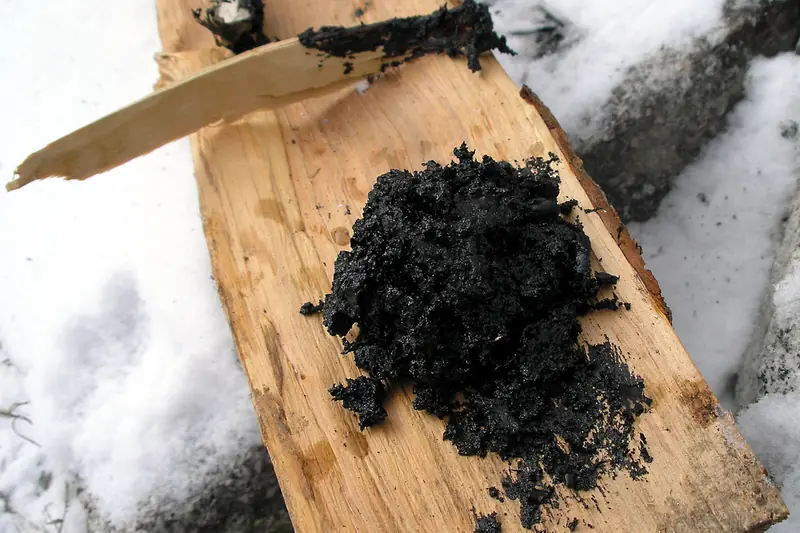
Smoky scent behind the bar, rude or fine?
I wear a birch tar and leather scent behind the bar most nights. A regular who loves his whiskey says it gets in the way when he's nosing a glass. Fair point, or is he being precious?
hamish_heather Fair point. In the shop we wear nothing at all, folk come in to nose and a wee bit of birch on the staff would muddle every dram.
ambrose_leatherin History, Bottles & Houses · Northampton ·
Discovery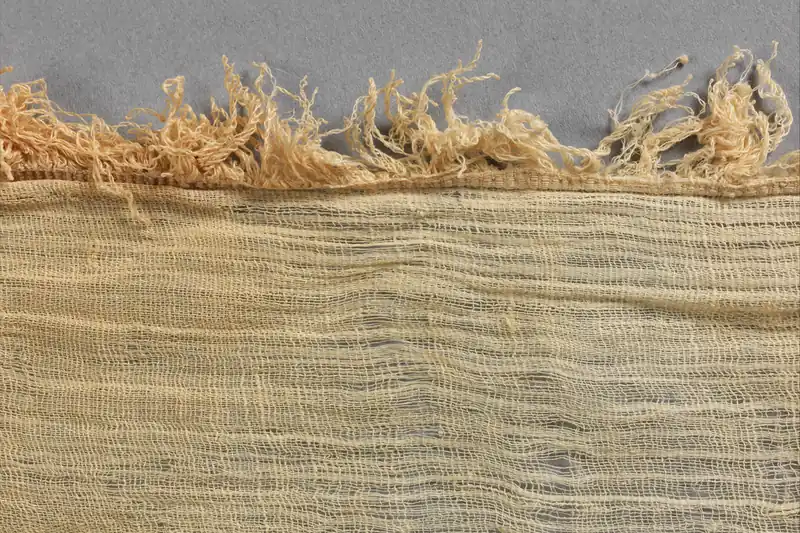
Grasse began with gloves, Northampton with boots
Right then. I always knew Grasse for its flowers, but the encyclopedia article on Grasse says its perfume trade grew out of leather tanning in the 12th century, that scented gloves were made there for Catherine de' Medici, and that a corporation of…
kit.clove Old bindings in the workshop smell of hide, paste and something faintly sweet. I always wondered where the sweet came from.
ash.and.emberin Welcome to the Club · Calgary ·
Introduction
Volunteer firefighter in Calgary, starting from smoke
Electrician in Calgary, and I go out on calls with the volunteer fire crew. Smoke I can tell apart: spruce smoke, grass fire, the wet char once it's out. Flowers, not so much. Figured I'd start from the woods and work my way out. Where should a smoke guy…
hamish_heather Begin with birch tar, a campfire in a single note , you'll not loose your way from there.
In the Classes
Class no. 1 · 6 min read
The seven fragrance families: how French perfumers sort scent
French perfumers sort fragrances into seven families, following the Société Française des Parfumeurs: citrus, florals, fougères, chypres, woody, ambers and leathers, each split into sub-families. You'll be able to place a scent on that map, translate it into the Fragrance Wheel used in shops, and spot where a family label stops helping.
Class no. 16 · 6 min read
Animal notes in perfume: musk, ambergris and their substitutes
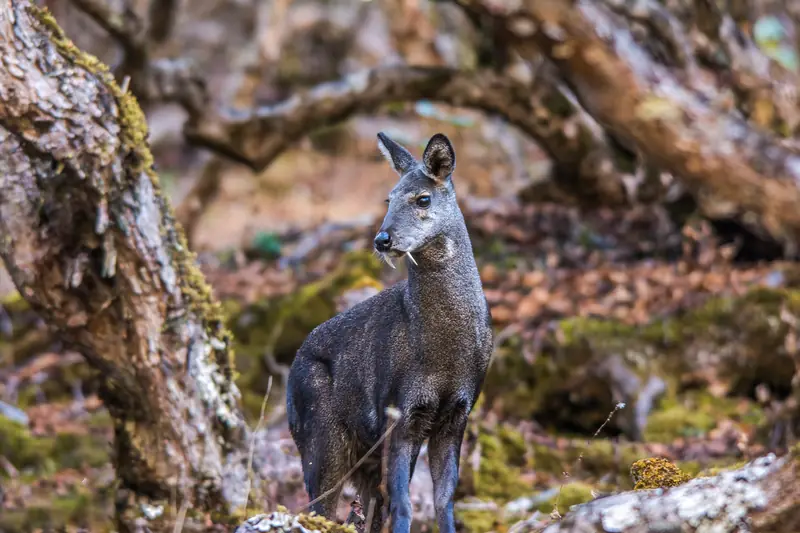
Musk, ambergris, civet and castoreum came from a musk deer, a sperm whale, a civet and a beaver, and perfumery has replaced nearly all of them with synthetic molecules since the late 19th century. You will learn where each material came from, which molecule took its place, and what "musk" means on a list of notes today.